
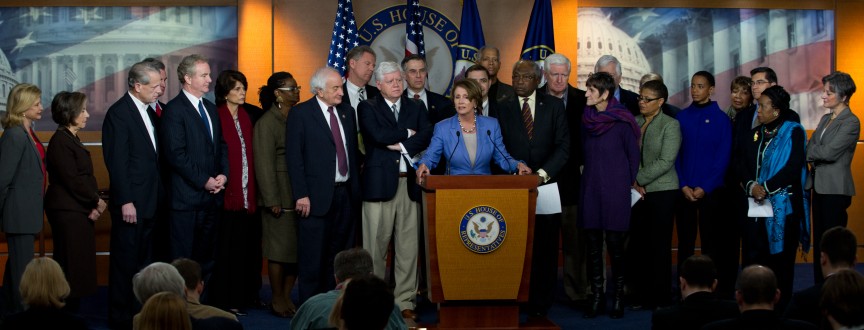
House GOP agenda is at a crossroads as the old guard prepares for a fight against emerging factions within the party.
Understanding the House GOP Agenda
The House GOP agenda is shaping up to be a battleground as the party’s old guard faces challenges from within. As new members with fresh ideas and different priorities join the ranks, the traditional leadership must navigate these shifting dynamics.
Key elements of the House GOP agenda include:
- Budget Cuts: A focus on reducing government spending and addressing the national debt remains a priority.
- Immigration Reform: Stricter policies are expected to be at the forefront, aiming to secure the borders and reform the existing immigration system.
- Health Care Policies: Efforts to repeal and replace the Affordable Care Act continue, with a push for more market-driven solutions.
- Tax Reform: The agenda includes plans to simplify the tax code and reduce taxes for businesses and individuals.
As these issues take center stage, the old guard must unify the party and combat internal divisions to effectively advocate for their agenda. The struggle to maintain control while embracing new ideas will define their leadership moving forward.
Key Players in the House GOP
The House GOP agenda is shaped by several influential figures who will play pivotal roles in the upcoming legislative battles. These key players include:
- Kevin McCarthy – The House Speaker has the responsibility of uniting various factions within the party while pushing forward a cohesive agenda.
- Steve Scalise – As the Majority Leader, Scalise is tasked with ensuring party discipline and efficiently navigating the legislative process.
- Liz Cheney – Although a controversial figure, Cheney’s stance on party integrity may influence the direction of the GOP’s focus and priorities.
- Jim Jordan – A prominent member of the Freedom Caucus, Jordan advocates for a more aggressive conservative agenda, appealing to the party’s base.
- Tom Emmer – The National Republican Congressional Committee Chair is crucial for strategizing electoral victories and shaping the party’s future.
As these leaders confront the challenges ahead, their efforts will define not just the House GOP agenda, but also the party’s identity moving forward.
The Old Guard’s Challenges
The Old Guard within the House GOP is facing significant challenges as they navigate the evolving political landscape. With a renewed focus on the House GOP agenda, these veteran members must adapt to shifting priorities and the rise of a more dynamic faction within their ranks.
Many of the longstanding members are struggling to maintain influence amid growing calls for a more aggressive approach to key issues. The younger, more energetic representatives are increasingly advocating for bold reforms and a departure from traditional tactics.
- Internal Divisions: The Old Guard is grappling with internal divisions that threaten their unity and effectiveness.
- Public Pressure: Constituents are demanding action on pressing concerns such as economic stability and immigration reform.
- Election Year Strategy: As the next election approaches, the Old Guard must balance their established positions with the need to appeal to a broader base.
Ultimately, the path ahead for the Old Guard is fraught with challenges. To successfully navigate the House GOP agenda, they must find a way to unite their party while addressing the changing expectations of their supporters.
Emerging Factions in Congress
As the House GOP agenda unfolds, a significant transformation is taking shape within the party, marked by the emergence of new factions. These groups are increasingly vocal, challenging the traditional authority of the old guard and pushing for a more aggressive approach to governance.
Among the rising factions, several key players are gaining influence:
- The Freedom Caucus: Known for its hardline stances, this group is advocating for stricter fiscal policies and less government intervention.
- The Main Street Partnership: This faction seeks to balance conservative principles with a pragmatic approach, focusing on issues like infrastructure and bipartisan cooperation.
- The Republican Study Committee: Concentrated on conservative economic policies, this group is pushing for tax reforms and spending cuts.
These emerging factions are reshaping the House GOP agenda, creating a dynamic where the old guard must navigate not only their own priorities but also the competing interests of these influential groups. As the party grapples with its direction, the real fight ahead will likely define the future of the GOP and its legislative effectiveness.
Historical Context of House Leadership
The historical context of House leadership reveals a landscape shaped by shifting alliances and evolving priorities. Over the decades, the House GOP agenda has been influenced by various factions, each vying for control and shaping the party’s direction. The old guard, long regarded as the backbone of the party, now faces significant challenges from a newer generation of lawmakers who are unafraid to disrupt the status quo.
In previous years, the leadership styles of figures such as Newt Gingrich and Paul Ryan set the tone for legislative priorities, often emphasizing fiscal conservatism and social issues. However, as the political climate has transformed, so too have the demands of the electorate, leading to a divergence between traditional values and contemporary concerns.
As we look ahead, the old guard must navigate not only internal party dynamics but also external pressures from grassroots movements. The rise of populism within the GOP has challenged long-standing protocols, forcing leaders to reassess their strategies and embrace aspects of the House GOP agenda that resonate with a broader audience.
This ongoing evolution underscores the complexity of leadership in Congress and the necessity for adaptation in a rapidly changing political environment.
Implications for Future Legislation
The implications for future legislation under the House GOP agenda are significant, as the old guard faces mounting pressure from emerging factions within the party. This struggle presents both challenges and opportunities that could reshape the legislative landscape.
As traditional leaders grapple with maintaining their influence, they must also navigate the growing demands of newer members who advocate for more aggressive policies. This shift could lead to a bifurcation in priorities, where the old guard’s cautious approach may clash with the bold initiatives pushed by rising stars.
Key implications include:
- Legislative Stalemate: A divide within the party may result in gridlock, hindering progress on critical issues.
- Policy Evolution: The old guard might need to adapt their strategies to accommodate the priorities of newer members, fostering a more dynamic policy environment.
- Voter Impact: The internal conflicts could influence voter perception, potentially affecting election outcomes in the coming years.
Ultimately, the House GOP agenda will reflect the balance of power within the party, determining the effectiveness of future legislative efforts and the direction of U.S. policy.
Public Response to GOP Dynamics
The public response to the evolving dynamics within the House GOP agenda has been a mix of support and skepticism. Many constituents are closely monitoring the actions of both the old guard and emerging factions, eager to see how these relationships will shape legislative outcomes.
Several key issues have surfaced in discussions, reflecting the priorities of voters:
- Economic Concerns: With inflation at the forefront, many citizens are looking for effective solutions from their representatives.
- Healthcare: Access to affordable healthcare remains a critical topic, influencing public opinion on the GOP’s agenda.
- Immigration Reform: Voters are divided on how to approach this longstanding issue, with opinions varying widely across the party lines.
- Gun Control: Recent events have reignited discussions surrounding gun legislation, prompting calls for action.
The old guard faces significant pressure to address these concerns while navigating the challenges presented by their more progressive colleagues. As the public continues to voice its opinions, the House GOP agenda will be tested in the coming months, determining the party’s trajectory going forward.
By Nancy Pelosi from San Francisco, CA via Openverse
Read the original
You might also like
Is Melania Trump the Best Dark Horse Diplomat for Ukraine? · Raghuvanshi red-ball cricket: What’s the Best Proven Strategy? · India jewellery sales: Why the decline is not as bad?

More Stories
India Benefit From Democrats: Smart Strategies for 2026
Trump DC Golf Course Plan: The Right Move for Investors
Midterm Election Closing Arguments: Clear Insights and Impact