
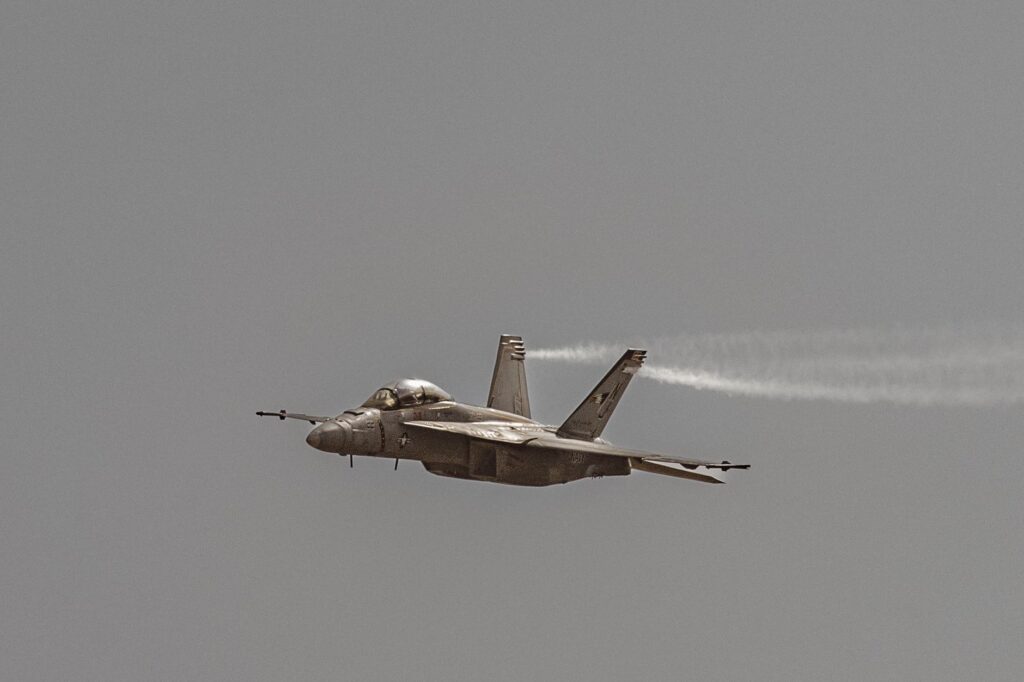
U.S. military aircraft move has been initiated, shifting from RAF Mildenhall to bases in Germany and Spain. This action is reportedly in response to heightened threats from Iran.
Background on U.S. military presence in the U.K.
The U.S. military has maintained a strategic presence in the United Kingdom for decades, primarily to bolster NATO’s collective defense and respond swiftly to emerging threats in Europe and beyond. The base at RAF Mildenhall, located in Suffolk, has been a pivotal hub for air operations and logistical support, serving as a key location for U.S. Air Force units.
In recent years, the geopolitical landscape has evolved, with increasing tensions in the Middle East, particularly concerning Iran’s military activities. This has necessitated a reassessment of U.S. military deployments in Europe, as maintaining readiness is crucial for national and allied security. The decision to move aircraft from RAF Mildenhall to bases in Germany and Spain underscores the urgency of the current situation.
- Rapid Response: The repositioning of aircraft allows for a quicker response to any potential threats that may arise.
- Strategic Flexibility: By relocating assets, the U.S. military can better project power and coordinate with European allies.
- Enhanced Security: The move is part of a broader strategy to deter aggression from adversaries, including Iran.
As the U.S. military aircraft move to more strategically advantageous locations, the implications for regional security and U.S. commitments to its allies become increasingly significant in the context of ongoing tensions with Iran.
Details of the aircraft relocation
The recent relocation of U.S. military aircraft has raised concerns regarding the escalating tensions in the Middle East, particularly the threats posed by Iran. The decision to move these aircraft underscores the U.S. military’s commitment to maintaining readiness and a quick response capability in the region.
According to reports, the aircraft were transferred from the RAF Mildenhall base in the United Kingdom to bases in Germany and Spain. This strategic move aims to enhance operational flexibility and ensure that forces are positioned to respond effectively to any potential threats.
- Aircraft Types Involved: The relocation involves various aircraft, including bombers, reconnaissance planes, and support units.
- Timeline: The transfer began earlier this month and is expected to be completed within a few weeks.
- Strategic Rationale: The shift is part of a broader strategy to bolster U.S. military presence in Europe while ensuring rapid deployment capabilities in the Middle East.
- Response Plans: Military officials have stated that these aircraft will be on standby to respond to any Iranian provocations.
This aircraft move not only reflects the U.S. military’s proactive stance but also highlights ongoing geopolitical tensions that require vigilant monitoring and strategic planning. As the situation develops, analysts will be observing how this repositioning influences U.S.-Iran relations.
Reasons behind the move to Germany and Spain
The recent decision to relocate U.S. military aircraft from the RAF Mildenhall base in the U.K. to Germany and Spain has been driven by several critical factors, primarily centered around security concerns regarding Iran. This strategic move aims to enhance the readiness and responsiveness of U.S. forces in light of escalating tensions in the region.
Key reasons behind the aircraft relocation include:
- Increased Threat Perception: Intelligence reports have indicated a growing threat from Iranian military actions, prompting the U.S. to reassess its positioning in Europe.
- Improved Operational Flexibility: Moving aircraft to Germany and Spain allows for quicker deployment capabilities, facilitating a rapid response to any potential threats from Iran.
- Allied Cooperation: The relocation is aimed at bolstering partnerships with NATO allies in Europe, ensuring a unified front against regional aggressions.
- Resource Allocation: Strategically positioning assets closer to areas of concern optimizes logistics and resource management, enhancing overall military efficiency.
These factors underscore the U.S. military aircraft move as not just a logistical adjustment, but a calculated response to evolving geopolitical dynamics. As U.S. forces adapt to the changing landscape, the implications of this relocation could resonate throughout NATO and beyond, reinforcing commitments to collective security.
Impact on regional security
The recent U.S. military aircraft move from the RAF Mildenhall base in the U.K. to Germany and Spain has significant implications for regional security in Europe and the Middle East. As tensions escalate with Iran, this strategic relocation aims to enhance the military’s ability to respond quickly to any emerging threats.
Analysts suggest that the repositioning of these assets demonstrates the U.S. commitment to maintaining stability in the region. By placing aircraft closer to potential flashpoints, the military can ensure a rapid deployment of forces if necessary. This proactive stance is critical, especially in light of Iran’s ongoing activities that have raised concerns among Western nations.
The move may also influence the dynamics of NATO operations, as allies in Europe observe the U.S. bolstering its air capabilities. The presence of U.S. aircraft in Germany and Spain not only reinforces NATO’s deterrent posture but also serves as a signal to Iran that the U.S. remains vigilant and prepared to counter threats.
Furthermore, the aircraft relocation is likely to impact local military collaboration and joint exercises with European partners. Enhanced interoperability and readiness among allied forces can lead to more effective responses to potential crises.
- Increased U.S. military presence in Europe
- Enhanced readiness against Iranian threats
- Stronger NATO collaboration
Overall, the U.S. military aircraft move signifies a calculated response to evolving security challenges.
Response from Iran
The recent relocation of U.S. military aircraft has prompted a swift response from Iranian officials, who view this move as a direct threat to their national security. Iranian military spokespersons have condemned the aircraft transfer, asserting that it escalates tensions in an already volatile region.
In an official statement, the Iranian government described the U.S. military aircraft move as provocative and warned that such actions could have severe repercussions. General Mohammad Bagheri, Chief of Staff of the Iranian Armed Forces, stated, “The presence of U.S. military forces near our borders is unacceptable and will not go unanswered.” This rhetoric indicates a potential for increased military readiness on Iran’s part.
Additionally, Iranian media has reported that the government is closely monitoring U.S. military activities in Europe, particularly in Germany and Spain, where the aircraft have been relocated. Analysts suggest that Iran may respond by enhancing its own military capabilities or conducting military exercises to demonstrate its readiness.
Furthermore, the Iranian leadership has called for greater unity among regional allies to counteract what they perceive as U.S. aggression. The situation remains tense as both nations assess the implications of the U.S. military aircraft move and its impact on regional stability.
Future of U.S. military operations in Europe
The recent relocation of U.S. military aircraft from the U.K. to bases in Germany and Spain has sparked discussions regarding the future of U.S. military operations in Europe. As tensions with Iran continue to escalate, this strategic maneuver underscores the importance of maintaining a robust military presence in the region.
Analysts believe that this aircraft move is not just a temporary adjustment but part of a broader strategy to enhance operational readiness. This shift allows for greater flexibility in responding to potential threats, ensuring that U.S. forces can quickly mobilize when necessary.
Furthermore, the repositioning of these assets may lead to increased collaboration with NATO allies. As Europe faces a complex security landscape, integrating U.S. military capabilities with those of European partners becomes essential. The recent deployment is expected to facilitate joint exercises and improve interoperability among allied forces.
In addition to strengthening deterrence against Iran, U.S. military officials indicate that this shift could also address other regional challenges, including the resurgence of Russian aggression. By maintaining a visible and capable military presence, the U.S. aims to reassure European nations of its commitment to collective security.
As the situation evolves, the focus will remain on how these aircraft moves will influence U.S. military strategy in Europe and the implications for future operations against emerging threats.
The recent U.S. military aircraft move underscores the nation’s commitment to maintaining stability in the region. As tensions rise, the U.S. military aircraft move serves as a clear signal of deterrence to potential aggressors.
Photo by Stephen Leonardi on Pexels



More Stories