
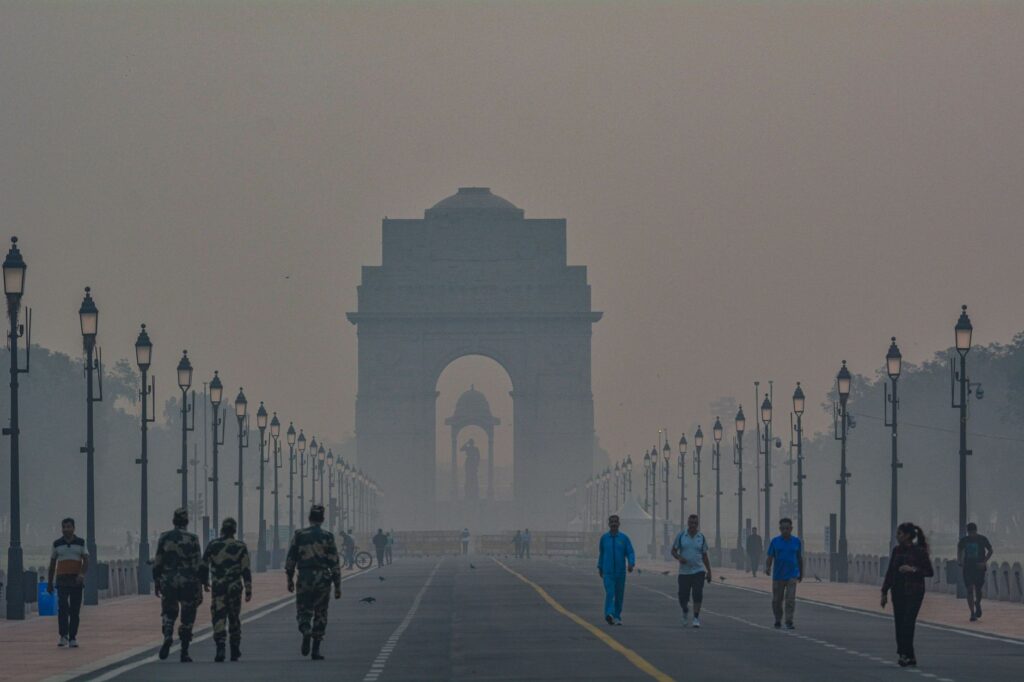
Delhi AQI today shows alarming pollution levels, with the air quality turning hazardous early on November 12. The Indian capital ranks among the world’s most polluted cities.
Understanding AQI and Its Impact
The Air Quality Index (AQI) is a crucial measure that indicates the level of air pollution in a specific area. In Delhi, the AQI today has reached alarming levels, contributing to serious health concerns for residents. A higher AQI signifies a greater level of air pollution, which can adversely affect respiratory health and overall well-being.
Understanding the AQI is essential for the public, as it categorizes air quality into different levels:
- Good: 0-50
- Moderate: 51-100
- Poor: 101-200
- Very Poor: 201-300
- Severe: 301 and above
With the Indian capital consistently ranking among the world’s most polluted cities, understanding the implications of a high AQI can help individuals take necessary precautions to protect their health.
Current Pollution Levels in Delhi
As of today, the Delhi AQI has reached alarming levels, marking one of the worst air quality days in recent history. Early morning readings indicate that the Air Quality Index (AQI) soared past 400, categorizing it as hazardous. This surge in pollution has raised significant health concerns for residents across the city.
The primary contributors to this deteriorating air quality include:
- Vehicular Emissions: A significant source of pollutants, especially during peak traffic hours.
- Construction Activities: Ongoing construction projects contribute to dust and particulate matter.
- Burning of Crop Residue: Agricultural practices in surrounding states exacerbate the situation.
- Industrial Pollution: Factories in and around Delhi release harmful emissions.
Residents are advised to limit outdoor activities and take necessary precautions to mitigate health risks associated with the current pollution levels in Delhi.
Health Risks Associated with Poor Air Quality
The deteriorating air quality in Delhi has raised significant health concerns for residents. With the Delhi AQI today indicating hazardous levels, individuals are urged to take precautions to protect their health.
Exposure to poor air quality can lead to various health issues, including:
- Respiratory Problems: Increased risk of asthma and other chronic respiratory diseases.
- Cardiovascular Issues: Poor air quality can exacerbate heart conditions and lead to increased hospital visits.
- Impaired Lung Function: Prolonged exposure can significantly affect lung development in children.
- Mental Health Effects: Studies indicate a link between poor air quality and increased anxiety and depression.
Residents are advised to stay indoors, use air purifiers, and wear masks if they must go outside, particularly during peak pollution hours.
Government Response to Air Quality Issues
In response to the alarming Delhi AQI today, the government has announced a series of immediate measures aimed at combating the deteriorating air quality in the capital. Authorities are prioritizing public health and are urging residents to take precautions as the pollution levels remain hazardous.
Key initiatives include:
- Increased Monitoring: The government will enhance air quality monitoring systems to provide real-time updates on pollution levels.
- Public Awareness Campaigns: Campaigns will be launched to educate citizens about the health risks associated with poor air quality and the importance of protective measures.
- Traffic Restrictions: To reduce vehicular emissions, temporary traffic restrictions may be implemented in heavily polluted areas.
- Industrial Regulations: Stricter regulations on industrial emissions are being enforced to mitigate their impact on air quality.
Officials stress the importance of collective action in addressing this pressing environmental challenge.
Comparing Delhi’s AQI with Other Cities
As the Delhi AQI today reaches alarming levels, comparisons with other major cities reveal a troubling trend. The Indian capital consistently ranks among the world’s most polluted cities, often surpassing others in terms of hazardous air quality.
- Beijing: Known for its pollution, Beijing’s AQI today hovers around 150, significantly lower than Delhi’s hazardous levels.
- Mumbai: While Mumbai also faces air quality challenges, its AQI today remains at a relatively moderate 120, illustrating a stark contrast to Delhi’s situation.
- Los Angeles: Despite its vehicle emissions, Los Angeles reports an AQI of 80, showcasing the effectiveness of stringent air quality regulations.
This comparison underscores the severity of Delhi’s air quality crisis, emphasizing the urgent need for effective solutions to combat pollution in the capital.
Tips for Staying Safe During Poor Air Quality
As Delhi experiences hazardous air quality levels today, it is essential for residents to take precautions to protect their health. Here are some tips for staying safe during poor air quality:
- Stay Indoors: Limit outdoor activities, especially strenuous ones, to reduce exposure to polluted air.
- Use Air Purifiers: Invest in a good quality air purifier with a HEPA filter to help reduce indoor air pollution.
- Wear Masks: If you must go outside, consider wearing an N95 mask to filter out harmful particles.
- Keep Windows Closed: Seal your home to prevent outdoor pollutants from entering.
- Stay Informed: Check the Delhi AQI today regularly and adjust your activities accordingly.
- Hydrate: Drink plenty of water to help your body flush out toxins.
By following these precautions, residents can minimize the health risks associated with the deteriorating air quality in the capital.
Future Outlook for Delhi’s Air Quality
As the winter months approach, the future outlook for Delhi’s air quality remains concerning. Experts predict that the capital will continue to face severe pollution levels, particularly during the months of November and December. Factors such as stubble burning in neighboring states, vehicle emissions, and industrial discharges contribute significantly to the worsening conditions.
According to meteorological data, stagnant weather patterns can exacerbate the situation, trapping pollutants close to the ground. Residents are urged to stay informed about Delhi AQI today and take necessary precautions to protect their health.
Long-term solutions are essential to combat this persistent issue. Initiatives such as improved public transportation, stricter emissions regulations, and increased green spaces are vital in the fight against air pollution. Without significant action, air quality in Delhi may remain a critical public health challenge, affecting millions of residents for years to come.
Residents are advised to stay indoors as the Delhi AQI today reaches alarming levels, impacting health and daily activities. With the Delhi AQI today reported at hazardous levels, authorities are urging the public to take necessary precautions.
Photo by Saakshi Yadav on Pexels



More Stories
FBI Records Fight: What’s the Right Move for The Atlantic?
Santa Barbara Half Marathon: Worst Illness Cases Revealed
Ghana passport scandal: Worst case of illegal issuance revealed