
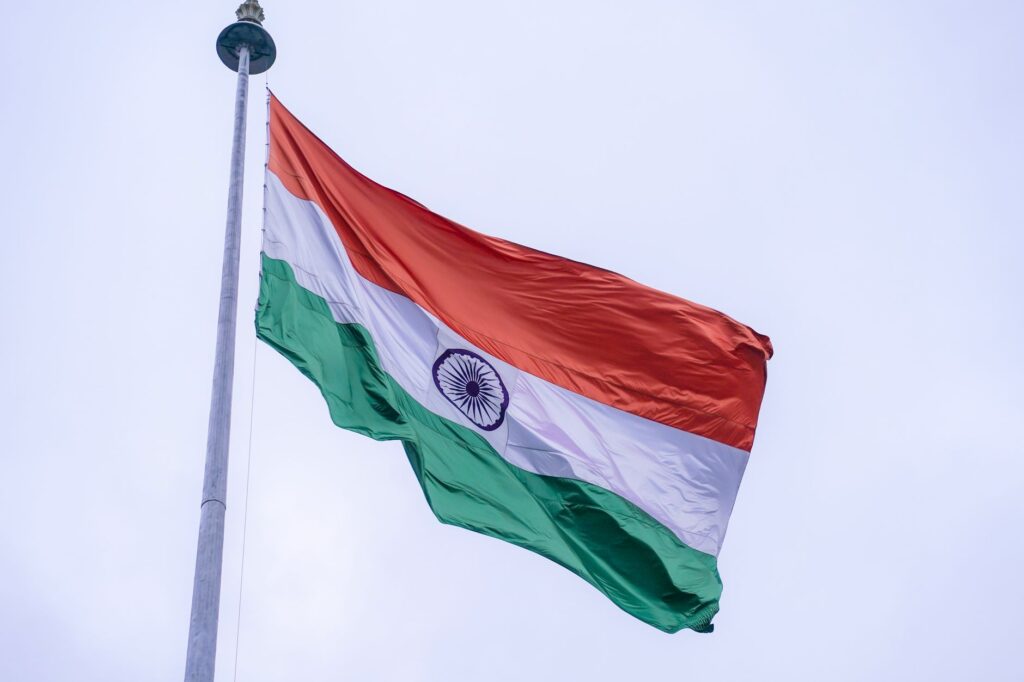
Viksit Bharat 2047 is not just a political slogan; it represents a vision for India’s future. The Modi Government is actively laying the groundwork for a developed nation through various initiatives and policies.
Understanding Viksit Bharat 2047
‘Viksit Bharat 2047’ represents a visionary roadmap aimed at transforming India into a developed nation by the year 2047, the centenary of its independence. This initiative is not merely a political slogan but a comprehensive strategy encompassing various sectors of the economy and society.
The framework of Viksit Bharat 2047 is built on several key pillars:
- Economic Growth: Aiming for sustainable growth through innovation and entrepreneurship.
- Infrastructure Development: Enhancing connectivity and building smart cities to support urbanization.
- Education and Skill Development: Fostering a knowledge society with emphasis on skill enhancement for the youth.
- Healthcare Improvement: Ensuring access to quality healthcare services for all citizens.
- Environmental Sustainability: Promoting green technologies and sustainable practices to combat climate change.
Through these efforts, the Modi government seeks to create an inclusive environment where every Indian can contribute to and benefit from the nation’s progress. Viksit Bharat 2047 thus aims to not only uplift the economy but also enhance the quality of life for every citizen, ensuring that India steps confidently into its next phase of growth.
Key Initiatives by the Modi Government
The Modi government has launched several key initiatives aimed at realizing the vision of Viksit Bharat 2047, which outlines a roadmap for transforming India into a developed nation. These initiatives focus on various sectors, aiming to enhance infrastructure, technology, and social welfare.
- Digital India: This initiative aims to transform India into a digitally empowered society. Efforts include expanding internet connectivity and promoting digital literacy across the country.
- Make in India: To boost manufacturing, this program encourages companies to manufacture their products in India, creating jobs and fostering innovation.
- Skill India: By providing vocational training to millions of youth, this initiative seeks to enhance employability and bridge the skills gap in various industries.
- Sustainable Development: Emphasizing green technologies, the government aims to promote sustainable practices to protect the environment while ensuring economic growth.
- Smart Cities Mission: This initiative is focused on developing urban areas with advanced infrastructure and technology, making cities more livable and efficient.
Through these initiatives, the Modi government is laying a solid foundation for achieving the goals set out in Viksit Bharat 2047, ensuring a prosperous future for all citizens.
The Importance of a Developed India
The vision of a developed India, encapsulated in the concept of Viksit Bharat 2047, is crucial for the nation’s future. As India approaches its centenary of independence, the aspirations for economic growth, social equity, and technological advancement are more relevant than ever. A developed India will not only improve the quality of life for its citizens but also enhance its standing on the global stage.
Achieving this goal involves several key factors:
- Economic Growth: Sustaining high growth rates is essential for creating jobs and reducing poverty.
- Education and Skill Development: Investing in education and vocational training ensures that the workforce is equipped for the challenges of a modern economy.
- Healthcare Accessibility: A robust healthcare system is vital for maintaining a healthy population capable of contributing to national development.
- Infrastructure Development: Improved infrastructure, including transportation and digital connectivity, facilitates trade and innovation.
- Environmental Sustainability: A focus on sustainable practices will ensure that growth does not come at the expense of the environment.
The realization of Viksit Bharat 2047 hinges on collective efforts from the government, private sector, and citizens to create a prosperous and equitable society.
Challenges Ahead for Viksit Bharat
As India embarks on the journey towards Viksit Bharat 2047, several challenges loom on the horizon that must be addressed to ensure sustainable development. These obstacles can hinder progress and require strategic planning and execution.
Among the primary challenges are:
- Economic Disparities: The gap between the wealthy and the economically disadvantaged continues to widen, posing a significant threat to inclusive growth.
- Infrastructure Development: While initiatives have been launched, the existing infrastructure requires significant upgrades to support a developed economy.
- Skill Development: A robust workforce is essential for a developed India, yet a lack of vocational training programs hampers employment opportunities.
- Environmental Sustainability: Rapid industrialization and urbanization entail a risk of environmental degradation, necessitating sustainable practices.
- Political Stability: Ensuring unwavering political support and stability is crucial for the long-term vision of Viksit Bharat 2047.
Addressing these challenges will be vital for transforming the vision of a developed India into reality. The government, alongside various stakeholders, must work collaboratively to overcome these hurdles and pave the way for a prosperous future.
Photo by Khaas Photographer on Pexels
References
thepamphlet.in · Viksit Bharat @2047
Republicans tiptoe around Trump: The clear path forward · Sandpapergate Allegations: Worst Reaction from Marsh · Delhi AQI today: Worst Air Quality Hits Indian Capital



More Stories
Delhi AQI today: Worst Air Quality Hits Indian Capital
FBI Records Fight: What’s the Right Move for The Atlantic?
Santa Barbara Half Marathon: Worst Illness Cases Revealed