
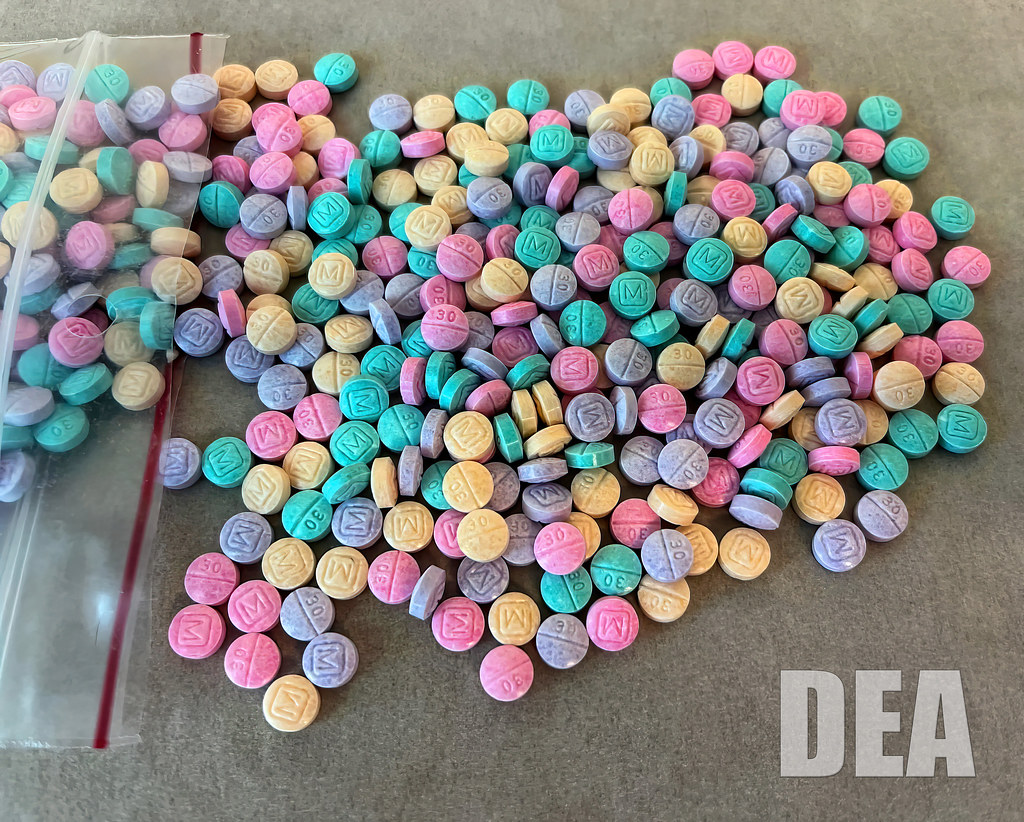
DEA fentanyl pills have become a focal point in a major investigation revealing that 1.4 million pills went unseized. This alarming finding raises questions about drug enforcement practices.
Understanding the DEA’s Role
The Drug Enforcement Administration (DEA) plays a critical role in combating the opioid crisis in the United States, particularly in relation to fentanyl. As the agency responsible for enforcing the controlled substances laws and regulations, the DEA is tasked with intercepting illegal drugs, including synthetic opioids like fentanyl. However, recent investigations have raised concerns about the effectiveness of the DEA’s operations.
According to an AP investigation, the DEA allowed 1.4 million fentanyl pills to go unseized during a significant probe. This revelation has sparked outrage among officials and the public, highlighting potential failures in drug enforcement efforts. The implications of this oversight are severe, as unseized fentanyl pills can contribute to the ongoing epidemic of overdose deaths.
Understanding the DEA’s role involves recognizing the challenges the agency faces in identifying and dismantling drug trafficking networks. These networks often employ sophisticated methods to produce and distribute fentanyl pills, making it difficult for law enforcement to keep pace. Additionally, the sheer volume of drugs entering the market complicates the DEA’s ability to effectively monitor and control the flow of these substances.
- Coordination with local law enforcement: The DEA collaborates with various agencies to enhance drug enforcement efforts.
- Public awareness campaigns: Educating the community about the dangers of fentanyl is crucial.
- Policy advocacy: The DEA advocates for stronger regulations on opioid prescriptions.
The Impact of Fentanyl on Communities
The impact of fentanyl on communities across the United States has been devastating, particularly in areas where the proliferation of DEA fentanyl pills has surged. As these potent synthetic opioids continue to infiltrate neighborhoods, the consequences are felt not just by individuals but by families and entire communities.
Statistical data from various health organizations highlight the alarming rise in overdose deaths attributed to fentanyl. The National Institute on Drug Abuse reports that fentanyl is responsible for a significant percentage of opioid-related fatalities, reflecting its potency and accessibility.
In many towns, the presence of these pills has led to an increase in crime rates, as individuals struggling with addiction often resort to illegal activities to fund their habits. Moreover, local law enforcement has found itself overwhelmed, struggling to combat the influx of these dangerous substances.
Community organizations are working tirelessly to provide education and resources to help combat the opioid crisis. Initiatives aimed at raising awareness about the dangers of fentanyl and offering support for those affected by addiction are gaining momentum. However, the shadow of DEA fentanyl pills continues to loom large, leaving many wondering how much longer their communities can withstand the impact.
Key Findings from the Investigation
The recent investigation has unveiled several alarming findings regarding the DEA’s handling of fentanyl pills, raising concerns about the agency’s effectiveness in combating the opioid crisis. The following key points summarize the critical aspects of the report:
- Massive Quantity of Unseized Pills: The investigation revealed that approximately 1.4 million fentanyl pills were allowed to go unseized, highlighting significant lapses in the DEA’s operations.
- Increased Drug Trafficking: The report noted a marked increase in the trafficking of fentanyl pills over the past few years, contributing to the rising number of overdoses and fatalities in communities across the country.
- Internal Conflicts: Sources indicated that internal conflicts within the DEA may have hindered timely action against drug trafficking networks, compromising public safety.
- Community Impact: Local communities have reported devastating effects from the proliferation of fentanyl pills, with families suffering the tragic loss of loved ones to overdoses.
- Call for Accountability: Advocates are urging federal authorities to hold the DEA accountable for its role in allowing such a vast quantity of fentanyl pills to circulate, emphasizing the need for comprehensive reforms.
These findings underscore the urgency of addressing the ongoing crisis and ensuring that measures are taken to prevent further loss of life due to fentanyl and its devastating impact on society.
What Happens to Unseized Drugs?
The recent investigation into the DEA’s handling of fentanyl pills has raised significant concerns about the fate of unseized drugs. When substances like these potent fentanyl pills are not intercepted, several consequences can unfold.
First, unseized drugs can contribute to an increase in availability on the streets. This can lead to a surge in overdose cases and fatalities, particularly within vulnerable communities. The potency of fentanyl makes it especially dangerous, as even a small amount can lead to lethal outcomes.
Second, the presence of these drugs can fuel criminal activity. Drug trafficking organizations may become emboldened, seeing a lack of enforcement as an opportunity to expand their operations. This not only perpetuates the cycle of addiction but also strains law enforcement resources.
Additionally, the failure to seize such a large quantity of fentanyl pills raises questions about accountability within agencies tasked with protecting public safety. The DEA’s inability to effectively manage these drugs could undermine public trust, leading to calls for more stringent oversight and reform.
Moreover, the implications of unseized fentanyl pills extend beyond immediate health risks, affecting families and communities at large. The ripple effects of these decisions can be devastating, highlighting the urgent need for a comprehensive approach to drug enforcement.
Responses from Law Enforcement
In light of the recent findings from an AP investigation revealing that the DEA allowed 1.4 million fentanyl pills to go unseized, responses from law enforcement have been varied and intense. Many officials are expressing concern over the implications of such a significant oversight in the fight against the opioid crisis.
Several law enforcement agencies have issued statements emphasizing the need for improved coordination and communication within federal operations. They highlighted that the unseized fentanyl pills represent a failure to act decisively in a time when drug-related deaths are skyrocketing.
- Increased scrutiny: Officers from various departments are calling for close examination of the DEA’s policies and protocols regarding drug seizures.
- Accountability measures: There is a push for clearer accountability in drug enforcement actions to ensure that similar oversights do not happen in the future.
- Community safety: Law enforcement officials are committed to prioritizing community safety and are advocating for more resources to combat the distribution of dangerous substances like fentanyl.
As discussions continue, it is clear that the revelation about the DEA fentanyl pills has sparked a critical dialogue about the effectiveness of current drug enforcement strategies and the urgent need for reform.
Public Reaction to the Findings
The recent revelations regarding the DEA fentanyl pills have ignited a wave of public reaction, as communities grapple with the implications of unseized drugs. Many individuals have expressed outrage over the findings, which indicate that a staggering 1.4 million fentanyl pills were allowed to circulate without intervention. This shocking statistic has left citizens questioning the effectiveness of the agency tasked with protecting them from such dangerous substances.
Social media platforms have become a battleground for opinions, with numerous users sharing their fears and frustrations. Comments range from calls for accountability to demands for a reevaluation of the DEA’s strategies in combating the opioid crisis. Community leaders have also voiced their concerns, emphasizing the need for transparent communication and active measures to prevent further tragedies linked to fentanyl.
Among the public, there is a growing sentiment that the investigation’s findings reflect a systemic failure. Many worry about the potential consequences of these unseized drugs, particularly in areas already heavily impacted by addiction and overdose. “We need action, not just words,” one concerned resident stated during a community meeting, highlighting the urgency of addressing the fentanyl crisis head-on.
As discussions continue, the hope remains that these revelations will lead to significant changes in policy and greater protection for communities.
Future Implications for Drug Policy
The recent revelations surrounding the DEA fentanyl pills have raised critical concerns regarding future drug policy in the United States. As the investigation uncovered that 1.4 million fentanyl pills went unseized, it has become evident that current strategies may be inadequate to combat the ongoing opioid crisis.
Experts have begun to question the efficacy of existing drug enforcement policies, emphasizing the need for a more comprehensive approach. The implications of this investigation could lead to significant changes in how law enforcement agencies operate and prioritize their efforts against synthetic opioids.
- Increased Accountability: There is a growing call for greater transparency and accountability within the DEA and other agencies involved in drug enforcement.
- Policy Revisions: Policymakers may need to revise existing laws and regulations to better address the complexities of fentanyl distribution and trafficking.
- Focus on Harm Reduction: Experts advocate for a shift towards harm reduction strategies, including expanded access to treatment and education about the dangers of fentanyl.
- Community Involvement: Engaging local communities in drug policy discussions can lead to solutions that are more effective and tailored to specific needs.
Ultimately, the DEA fentanyl pills incident serves as a wake-up call, signaling that a reevaluation of drug policies is urgently needed to protect public health and safety.
Calls for Reform in Drug Enforcement
In light of the recent AP investigation revealing that the DEA allowed 1.4 million fentanyl pills to go unseized, calls for reform in drug enforcement practices are gaining momentum. Advocates argue that the current strategies employed by the DEA are inadequate in addressing the escalating opioid crisis. Many believe that a comprehensive review of the agency’s protocols is essential to prevent such oversights from happening in the future.
Critics emphasize the need for the DEA to adopt a more proactive approach towards identifying and intercepting dangerous drugs, particularly fentanyl, which has been linked to a surge in overdose deaths across the nation. They suggest that reform measures could include:
- Enhanced Tracking Systems: Implementing advanced technology to better monitor the distribution of controlled substances.
- Increased Collaboration: Strengthening partnerships with local law enforcement and community organizations to share intelligence and resources.
- Public Education Initiatives: Raising awareness about the dangers of fentanyl pills and promoting prevention strategies.
As the investigation unfolds, it is clear that a shift in policy may be necessary to ensure that the DEA effectively addresses the challenges posed by fentanyl and other dangerous drugs. The public’s growing concern over the agency’s handling of unseized drugs highlights the urgency for reform.
The alarming rise in counterfeit DEA fentanyl pills has led to a significant increase in overdose deaths across the country. Authorities are now urging the public to remain vigilant and report any suspicious activity related to DEA fentanyl pills.
By Drug Enforcement Administration via Openverse

More Stories