
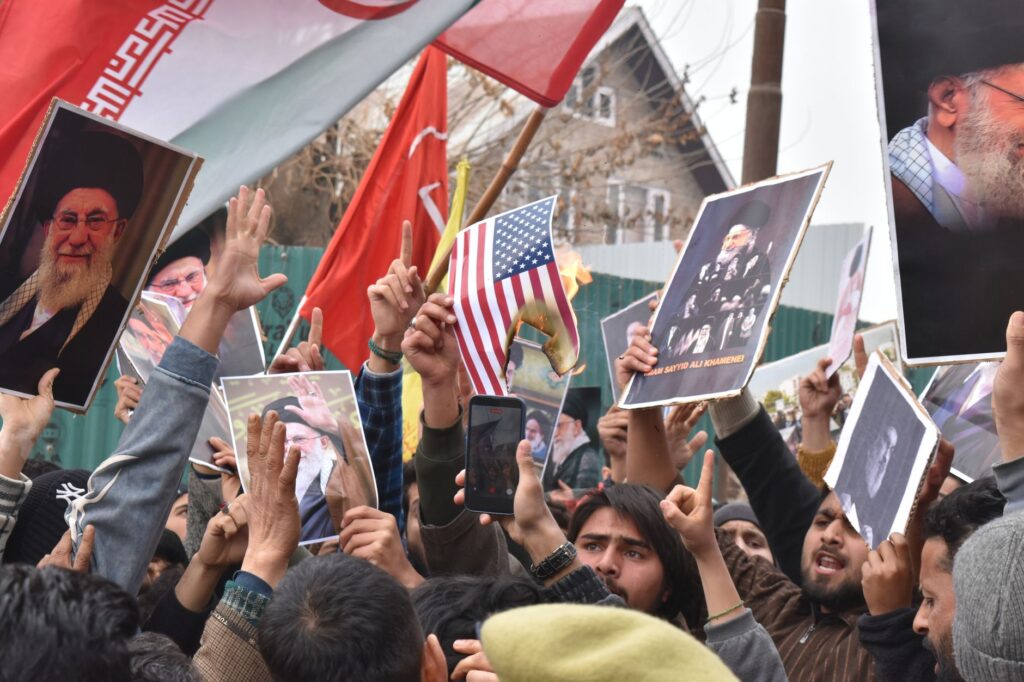
Iran US talks are essential for global stability. China’s top diplomat emphasizes the need for both nations to show restraint and engage in meaningful dialogue.
China’s Role in Diplomacy
In recent developments regarding the Iran US talks, China’s top diplomat has emphasized the importance of restraint and dialogue between the two nations. As global tensions continue to rise, China has positioned itself as a key player in facilitating diplomatic relations, urging both sides to return to the negotiating table.
The Chinese government believes that constructive dialogue is essential for regional stability and international peace. During a recent press conference, the diplomat outlined several critical points that both Iran and the US should consider:
- Mutual Respect: Both countries must acknowledge each other’s sovereignty and interests.
- Engagement: Continuous communication is vital to prevent misunderstandings and escalation.
- Collaborative Efforts: China encourages joint initiatives that could benefit all parties involved.
- Long-term Solutions: Short-term fixes will not resolve deep-rooted issues; a comprehensive approach is necessary.
As the situation evolves, China reiterates its commitment to playing a constructive role in the Iran US talks, believing that a peaceful resolution is not only possible but essential for global harmony.
Current State of Iran US Relations
The current state of Iran-US relations remains tense, characterized by a series of diplomatic setbacks and escalating rhetoric. Despite the historical significance of previous talks, recent months have seen a stagnation in dialogue, leading to increased frustration on both sides.
Efforts to revive diplomatic relations have faced numerous obstacles, including:
- Sanctions and Economic Pressures: The US continues to impose strict sanctions on Iran, which has severely impacted its economy and hindered negotiations.
- Nuclear Concerns: Iran’s nuclear program remains a significant point of contention, with the US demanding transparency and compliance with international agreements.
- Regional Tensions: Ongoing conflicts in the Middle East complicate the landscape, as both nations navigate alliances and rivalries that influence their interactions.
In light of these challenges, there is a growing call for both nations to engage in constructive dialogue. The focus is now on the potential for Iran-US talks to address key issues and pave the way for a more stable relationship. As major players like China emphasize the importance of communication and restraint, the hope remains that a renewed commitment to diplomacy will emerge.
Historical Context of Negotiations
The historical context of negotiations between Iran and the United States is marked by decades of tension and intermittent dialogue. The roots of this complex relationship date back to the 1979 Iranian Revolution, which resulted in the overthrow of the pro-Western Shah and the establishment of an Islamic Republic. Since then, diplomatic relations have remained strained, frequently collapsing over issues such as nuclear proliferation, regional conflicts, and sanctions.
Throughout the years, several attempts have been made to address these challenges through direct and indirect talks. Notable milestones include:
- 2003-2005: Initial negotiations led by the EU, where Iran agreed to suspend uranium enrichment temporarily.
- 2015: The Joint Comprehensive Plan of Action (JCPOA) was reached, aiming to limit Iran’s nuclear program in exchange for sanctions relief.
- 2018: The U.S. withdrew from the JCPOA, escalating tensions and leading Iran to resume nuclear activities.
In recent months, the need for renewed Iran US talks has become increasingly urgent, with both sides facing domestic and international pressures to engage in dialogue. As China’s top diplomat emphasizes the importance of restraint, the opportunity for diplomatic revival appears more feasible than in recent years.
Challenges to Peace Talks
The road to peace is often fraught with challenges, and the ongoing Iran US talks are no exception. Several obstacles must be addressed for meaningful progress to occur.
- Mutual Distrust: Years of tension have fostered deep-seated mistrust between the two nations, complicating efforts to establish a constructive dialogue.
- Geopolitical Pressures: Regional dynamics and the influence of external powers often exacerbate the situation, making it difficult to navigate negotiations effectively.
- Domestic Politics: Both countries face internal political pressures that can hinder the peace process. Political factions may exploit any perceived concessions to undermine leaders advocating for dialogue.
- Economic Sanctions: Ongoing sanctions continue to strain Iran’s economy, creating a challenging environment for negotiations as Tehran seeks relief while maintaining its core interests.
Despite these challenges, the international community remains hopeful. The involvement of key players, such as China, emphasizes the need for a multilateral approach to diplomacy. It is essential for both Iran and the US to demonstrate a commitment to dialogue and work collaboratively towards a sustainable resolution.
The Importance of Restraint
The recent call for restraint in the ongoing situation between Iran and the United States underscores the critical need for diplomacy to prevail over conflict. Both nations have experienced significant tensions, and it is evident that a more measured approach is essential to facilitate productive Iran US talks.
In the realm of international relations, the importance of restraint cannot be overstated. It fosters an environment where dialogue can flourish, allowing for the exploration of mutual interests and a path toward resolution. As China’s top diplomat emphasized, showing restraint is crucial for de-escalating tensions and paving the way for renewed discussions.
Failure to exercise restraint risks further entrenching positions, leading to a cycle of retaliation that can undermine any potential for negotiation. Key steps for both sides include:
- Maintaining open lines of communication to address grievances
- Engaging in confidence-building measures to rebuild trust
- Involving neutral third parties to facilitate dialogue
Ultimately, the path to a sustainable resolution lies in the willingness of both Iran and the United States to prioritize diplomacy over hostility, setting the stage for meaningful talks that could reshape their relationship.
Future Prospects for Dialogue
As the diplomatic landscape continues to evolve, the potential for future Iran US talks remains a topic of significant interest among global observers. The recent call for restraint from China’s top diplomat signals a growing urgency for both nations to engage in constructive dialogue. Analysts suggest that establishing clear communication channels is crucial for rebuilding trust and addressing mutual concerns.
Several key areas could serve as starting points for renewed negotiations:
- Nuclear Agreement Resumption: Reviving discussions surrounding the Joint Comprehensive Plan of Action (JCPOA) could pave the way for a more comprehensive deal that addresses not only nuclear issues but also regional security.
- Economic Incentives: Offering economic incentives may encourage Iran to re-enter talks, allowing for a more favorable environment for both parties.
- Regional Security Cooperation: Collaborative efforts to address regional conflicts, such as in Syria and Yemen, could foster a sense of partnership and shared goals.
Ultimately, the success of any future negotiations will hinge on the commitment of both Iran and the US to engage in meaningful dialogue, demonstrating a willingness to overcome past grievances for a more stable future.
Global Reactions to the Urging
Global reactions to the urging of diplomatic engagement between Iran and the United States have varied widely, reflecting a complex web of geopolitical interests and historical tensions. Many nations have expressed support for renewed negotiations, viewing the Iran US talks as a critical step toward stabilizing the region and promoting peace.
- European Union: The EU has emphasized the necessity of diplomatic solutions and offered to facilitate discussions, highlighting the importance of collaboration to address mutual concerns.
- Russia: Russia has echoed calls for dialogue but simultaneously expressed skepticism about the US’s commitment to a fair negotiation process, citing past experiences.
- Saudi Arabia: As a regional rival, Saudi Arabia has shown cautious optimism. Officials have indicated that improved Iran US relations could lead to greater stability in the Gulf region.
- Israel: Israeli leaders have voiced concerns, urging the US to maintain a strong stance against Iran while calling for continued vigilance in its negotiations.
In the backdrop of these reactions, the international community remains hopeful that both Iran and the US will seize this opportunity to engage in constructive dialogue, potentially paving the way for a more peaceful future.
The recent Iran US talks have opened the door for potential agreements that could reshape diplomatic ties. As both nations engage in constructive dialogue, the focus remains on finding common ground in the ongoing Iran US talks.
Photo by Tawseef Ahmad on Pexels



More Stories
India Pakistan diplomat summoning: The Clear Impact Explained