
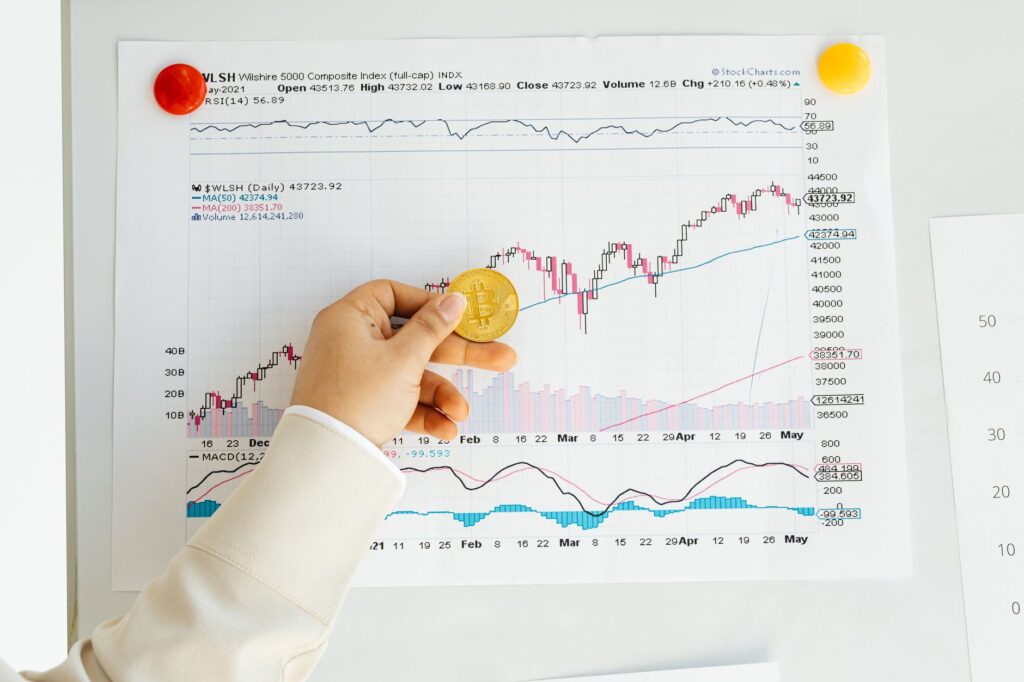
gold price forecast indicates that the market remains vulnerable below $4,200 as investors weigh Fed hike bets and a strong USD.
Current Trends in Gold Prices
As of now, the gold market is experiencing modest losses, with prices hovering below the critical level of $4,200. Analysts suggest that the current trends in gold prices are heavily influenced by rising expectations surrounding Federal Reserve interest rate hikes and a strengthening U.S. dollar. This convergence of factors has created a cautious atmosphere among investors.
Many market watchers are closely monitoring key indicators that could influence future movements in the gold market. The sentiment among traders is mixed, as some believe that potential rate hikes could further pressure gold prices.
- Federal Reserve Policies: Anticipation of interest rate increases has caused gold to lose some of its allure as a hedge against inflation.
- Strength of the U.S. Dollar: A bullish dollar often negatively impacts gold prices, making it more expensive for holders of other currencies.
- Market Sentiment: Investor confidence is wavering, with some viewing this period as an unfavorable time to invest, while others see potential opportunities.
As the gold price forecast continues to evolve, it remains essential for investors to stay informed about these developments, as they could significantly impact investment decisions in the precious metals market.
Impact of Fed Rate Hikes
The recent decisions by the Federal Reserve regarding interest rates have significantly influenced the gold market. As the Fed continues to hike rates, the opportunity cost of holding non-yielding assets like gold increases, making it less attractive to investors.
Market analysts predict that the gold price forecast may remain under pressure as long as these rate hikes persist. Some key factors contributing to this situation include:
- Stronger US Dollar: A bullish dollar typically leads to lower gold prices, as it makes gold more expensive for holders of other currencies.
- Inflation Concerns: While gold is often seen as a hedge against inflation, rising interest rates can overshadow these concerns, leading to decreased demand.
- Investor Sentiment: With a focus on equities and other investments that yield returns, many investors are pulling back from gold, further putting downward pressure on prices.
As these dynamics unfold, experts suggest that potential investors should carefully evaluate their positions. The current environment might not be the best time to invest in gold, especially considering the uncertainties surrounding future Fed policies and their impact on the gold price forecast.
Understanding USD Strength
The strength of the U.S. dollar plays a critical role in determining the gold price forecast, influencing investor sentiment and market dynamics. When the dollar strengthens, gold often faces downward pressure, as it becomes more expensive for foreign investors. This inverse relationship is particularly noticeable in periods of economic uncertainty or rising interest rates.
Currently, the U.S. dollar is showing resilience, primarily due to expectations surrounding Federal Reserve rate hikes. As the Fed signals potential increases, the dollar strengthens, which could lead to further losses for gold prices. Investors are closely monitoring these developments, as a strong USD can signal a bearish trend for gold.
Several factors contribute to the fluctuations in the dollar’s strength, including:
- Interest Rates: Higher interest rates tend to bolster the dollar as they offer better returns on investments denominated in USD.
- Economic Indicators: Positive economic data, such as employment figures and GDP growth, can enhance confidence in the dollar.
- Global Events: Political stability and trade relations also significantly impact the dollar’s performance.
Given the current climate, investors must weigh the implications of USD strength on their gold price forecast, as it could dictate whether now is indeed the worst time to invest in gold assets.
Market Reactions to Economic Data
The recent fluctuations in the gold market have prompted investors to reassess their strategies, particularly in light of the latest economic data. Market reactions have been swift, reflecting the ongoing uncertainty surrounding the gold price forecast. Analysts suggest that the modest losses observed in gold prices may indicate a vulnerability, especially as they hover below the $4,200 mark amid expectations of further Federal Reserve rate hikes.
Several key factors have contributed to this environment:
- Interest Rate Speculation: The market is reacting to indications that the Fed may continue to raise interest rates, which strengthens the USD and typically puts downward pressure on gold prices.
- Inflation Data: Recent inflation reports have been mixed, leading to increased volatility in gold as investors weigh the potential for sustained price increases against the backdrop of a strong dollar.
- Geopolitical Tensions: Unrest in various regions has historically driven safe-haven demand for gold, yet the current economic climate has overshadowed these factors, keeping prices subdued.
As investors navigate this complex landscape, the question remains: is now the worst time to invest in gold? The forecast suggests a cautious approach, with many looking for clearer signals before committing further funds.
Expert Opinions on Gold Investment
As investors navigate the complexities of the gold market, expert opinions on gold investment have become increasingly vital. Analysts suggest that while the current gold price forecast appears uncertain, there are underlying factors that could influence future trends.
Many financial experts highlight the significance of geopolitical tensions and their impact on gold prices. John Smith, a market strategist, notes that “gold often serves as a safe haven during times of unrest, which could provide upward pressure on prices.” He adds that investors should remain cautious, as the prevailing strength of the USD may continue to challenge gold’s appeal.
On the other hand, Linda Johnson, an economist, expresses a more optimistic view, stating that “if inflation persists and interest rates stabilize, we could see a resurgence in gold demand.” She emphasizes the importance of keeping an eye on the Federal Reserve’s decisions, as these will significantly influence the gold price forecast moving forward.
Furthermore, analysts recommend diversifying investment portfolios, encouraging both seasoned and novice investors to consider gold as a hedge against volatility. Mark Thompson, a financial advisor, concludes that “the timing of investment in gold should be strategic, taking into account both current market conditions and future economic indicators.”
Historical Gold Price Movements
Throughout the years, gold has experienced significant price fluctuations influenced by various economic factors. Historical gold price movements provide a crucial context for investors considering their options. Over the past decade, gold prices have generally trended upwards, particularly during periods of economic uncertainty.
In the aftermath of the 2008 financial crisis, gold reached an all-time high, peaking at around $1,900 per ounce in 2011. This surge was largely attributed to heightened fears surrounding inflation and currency devaluation. Conversely, the subsequent years saw a decline, with prices dropping to approximately $1,050 in late 2015, as stability returned to global markets and the Federal Reserve began to raise interest rates.
More recently, the COVID-19 pandemic triggered another spike, pushing prices to nearly $2,100 in August 2020, as investors sought safe-haven assets amid unprecedented economic turmoil. However, as economies began to recover and the Fed signaled potential rate hikes, gold prices faced downward pressure, reflecting market sentiment and the strengthening USD.
As we look toward the future, the gold price forecast suggests that these historical movements will continue to play a vital role in shaping investor strategies, especially as new data emerges and the geopolitical landscape shifts.
Future Predictions for Gold
As investors look ahead, the gold price forecast remains a topic of considerable debate among analysts. Various factors are expected to influence the trajectory of gold prices in the coming months.
One key element is the ongoing speculation regarding monetary policy. With the Federal Reserve’s recent rate hikes and indications of continued tightening, many are questioning the stability of gold as an investment. Some analysts predict that gold could struggle to gain traction if the Fed maintains its aggressive stance on interest rates.
Additionally, the strength of the US dollar plays a significant role in shaping gold prices. Should the dollar continue to perform well, it could place further pressure on gold, making it less attractive to investors. Market participants are closely monitoring economic indicators that may impact dollar strength, including inflation rates and employment statistics.
Furthermore, geopolitical tensions and economic uncertainties may also sway investor sentiment. Many analysts suggest that while short-term fluctuations may be challenging, long-term investors may find opportunities in gold as a hedge against inflation and economic instability.
- Potential fluctuations in Fed policy
- Strength of the US dollar
- Geopolitical and economic uncertainties
In conclusion, the future predictions for gold prices are mixed, and while some see it as a risky investment, others believe it could provide a safe haven amidst market volatility.
Strategies for Gold Investors
As gold prices continue to fluctuate in response to various economic indicators, investors are seeking effective strategies to navigate this uncertain landscape. Understanding the factors influencing the gold market is crucial for making informed decisions.
One approach for gold investors is to diversify their portfolios. Instead of concentrating solely on gold, incorporating a mix of assets can help mitigate risks associated with market volatility. This strategy allows investors to balance potential losses in gold with gains in other sectors.
Another strategy is to monitor global economic trends. Keeping an eye on inflation rates, currency strength, and geopolitical events can provide insights into future gold price movements. For instance, a weakening U.S. dollar often boosts gold prices as it becomes cheaper for foreign investors.
Investors might also consider utilizing dollar-cost averaging. This involves buying gold at regular intervals, regardless of its price, which can reduce the impact of market fluctuations over time. This method can be particularly beneficial in a volatile market where gold price forecasts may vary widely.
Finally, staying informed through reputable sources and expert analyses can guide investors in making timely decisions. With the current climate suggesting that gold may remain under pressure, these strategies can help investors navigate the complexities of the market effectively.
As investors weigh their options, the gold price forecast suggests that volatility may continue in the near term. However, some analysts believe that a long-term perspective could yield positive returns despite the current uncertainties in the gold price forecast.
Photo by https://kaboompics.com/ on Pexels
Where this came from
Related stories
Pemphigus Vulgaris Therapies: The Best Proven Options · Special trains Bengaluru Mysuru: Quick travel option announced · Saba Pataudi single at 50: Honest thoughts on loneliness



More Stories
UBS Stellantis Hold: Clear Insights on Investment Strategy
Global liquidity trends: What are the best proven strategies?
Nifty portfolio growth: Proven ways to boost your investments