
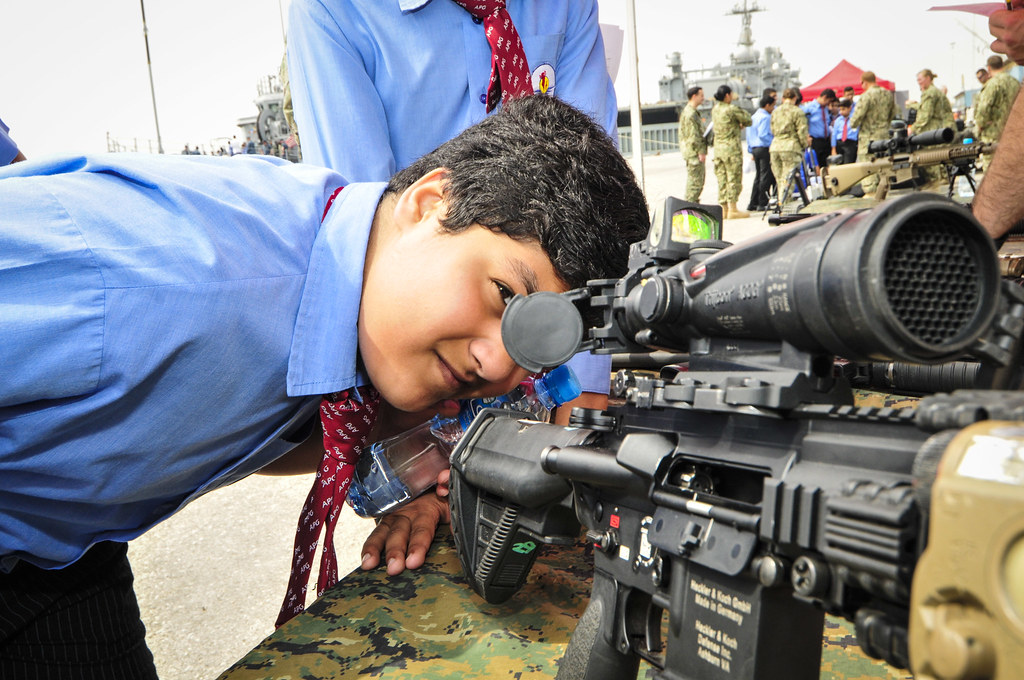
Bahrain U.S. ties are under scrutiny as the tiny island nation grapples with the repercussions of its close relationship with the United States.
Understanding Bahrain’s Strategic Importance
Bahrain’s strategic importance in the Middle East cannot be overstated, particularly in relation to its ties with the U.S. This small island nation serves as a crucial hub for American military operations and a key ally in regional security initiatives.
The following factors highlight Bahrain’s significance:
- Geographic Location: Positioned in the Persian Gulf, Bahrain offers a vital maritime route for international trade and military logistics.
- Military Presence: The U.S. Fifth Fleet is based in Bahrain, making it a linchpin in America’s naval strategy in the region.
- Counterterrorism Efforts: Bahrain collaborates with the U.S. on various counterterrorism initiatives, enhancing regional stability.
Despite these benefits, Bahrain is paying a high price for its relationship with the U.S. The kingdom faces internal challenges, including political dissent and human rights concerns, which some argue are exacerbated by its alignment with American interests. Additionally, the nation’s reliance on U.S. support raises questions about its sovereignty and the long-term implications of such partnerships.
As Bahrain navigates the complexities of its alliance with the U.S., the impact on its domestic landscape remains a pressing issue, revealing the intricate balance between geopolitical strategy and local governance.
Economic Consequences of U.S. Relations
The economic consequences of Bahrain’s ties with the U.S. are becoming increasingly evident, raising concerns about the sustainability of this relationship. While Bahrain has benefited from significant military and financial aid, the costs associated with maintaining such close ties are high.
One of the primary financial burdens is the allocation of resources towards military spending rather than social development. This has led to:
- Increased defense budgets: A significant portion of the national budget is directed towards military expenditures, limiting funds available for public services.
- Neglect of social issues: Essential areas such as education and healthcare are suffering due to the prioritization of military contracts and infrastructure.
- Economic dependency: Bahrain’s reliance on U.S. support has created a situation where economic decision-making is often influenced by American interests, sidelining local priorities.
Moreover, the economic implications extend beyond the immediate financial commitments. The perception of Bahrain as a U.S. ally can deter potential investors who may view the country as unstable due to ongoing regional tensions. This duality presents a dilemma for Bahrain, as the high cost of friendship with the U.S. may ultimately jeopardize its long-term economic stability and growth.
Bahrain’s Political Landscape
Bahrain’s political landscape has been significantly shaped by its ties with the United States, revealing the high cost of this friendship. Since the 1990s, Bahrain has positioned itself as a vital ally in the Gulf region, serving as a base for the U.S. Navy’s Fifth Fleet. However, this partnership has not come without its challenges.
In recent years, the Bahraini government has faced mounting pressure from both domestic and international fronts. Human rights organizations have criticized the ruling monarchy for its treatment of dissenters and political activists, often linking these actions to the support it receives from the U.S. government. The ongoing crackdown on opposition voices has raised concerns about the implications of Bahrain’s U.S. ties on its internal stability.
Moreover, the close relationship has led to a growing perception among the Bahraini populace that their government prioritizes foreign relations over local needs and aspirations. This sentiment has fueled discontent, leading to protests and calls for reform. As Bahrain continues to navigate its complex political terrain, the balancing act between maintaining strong ties with the U.S. and addressing the demands of its citizens remains precarious.
In summary, Bahrain’s political landscape is deeply intertwined with its relationship with the U.S., highlighting the intricate dynamics and the high cost of friendship that can affect both nations.
Public Sentiment on U.S. Ties
Public sentiment in Bahrain regarding U.S. ties has become increasingly complex, reflecting a blend of support and skepticism. While many Bahrainis recognize the strategic importance of their alliance with the United States, there is growing concern over the costs associated with this friendship.
A recent survey indicated that:
- Support for U.S. presence: Approximately 60% of respondents acknowledged the security benefits that come from U.S. military support.
- Concerns over sovereignty: Nearly 45% expressed worries that the close relationship undermines Bahrain’s national sovereignty and decision-making.
- Economic implications: About 50% of the population feels that U.S. ties have contributed to rising economic disparities, as benefits are perceived to favor certain sectors over others.
Many citizens are also vocal about the social ramifications of the partnership. Activists argue that the U.S. alliance has led to increased repression of dissent and human rights violations, sparking protests and calls for reform.
As Bahrain continues to navigate its relationship with the U.S., the public remains divided. While some celebrate the economic and strategic advantages, others question whether the high cost of friendship is truly worth the sacrifices being made.
Future of Bahrain’s Foreign Relations
The future of Bahrain’s foreign relations is increasingly intertwined with its ties to the U.S., a relationship that has prompted both support and criticism within the region. As Bahrain continues to navigate its position in the Middle East, the implications of its partnership with the United States become increasingly complex.
On one hand, the Bahrain U.S. ties provide crucial military and economic support, bolstering the island nation’s defense capabilities amidst regional tensions. The U.S. military presence in Bahrain is seen as a deterrent against potential threats, particularly from neighboring Iran. However, this reliance on American support comes with significant costs, both politically and socially.
As Bahrain seeks to diversify its international relationships, it faces pressure to balance its longstanding allegiance to the U.S. with the need to foster relations with other regional powers. This balancing act can create friction within the local populace, where sentiments about foreign influence vary widely.
- The strengthening of ties with other nations could offer Bahrain alternative economic partnerships.
- Public opinion remains divided, with some supporting U.S. relations for security, while others criticize the perceived loss of sovereignty.
- The evolving geopolitical landscape will further shape Bahrain’s foreign policy decisions.
In this intricate web of foreign relations, Bahrain must carefully consider how its alignment with the U.S. will impact its standing on the global stage.
The recent revelations about Bahrain U.S. ties have sparked a debate on the implications of such a close relationship. Critics argue that Bahrain U.S. ties come at a high cost, affecting both regional stability and human rights.
By U.S. Naval Forces Central Command/U.S. Fifth Fleet via Openverse


More Stories
Trump Xi Putin meeting: The Clear Impact on Global Relations
Human Rights India UN: Clear Message Against Selective Targeting
India Pakistan UN Terrorism: A Clear and Honest Response