
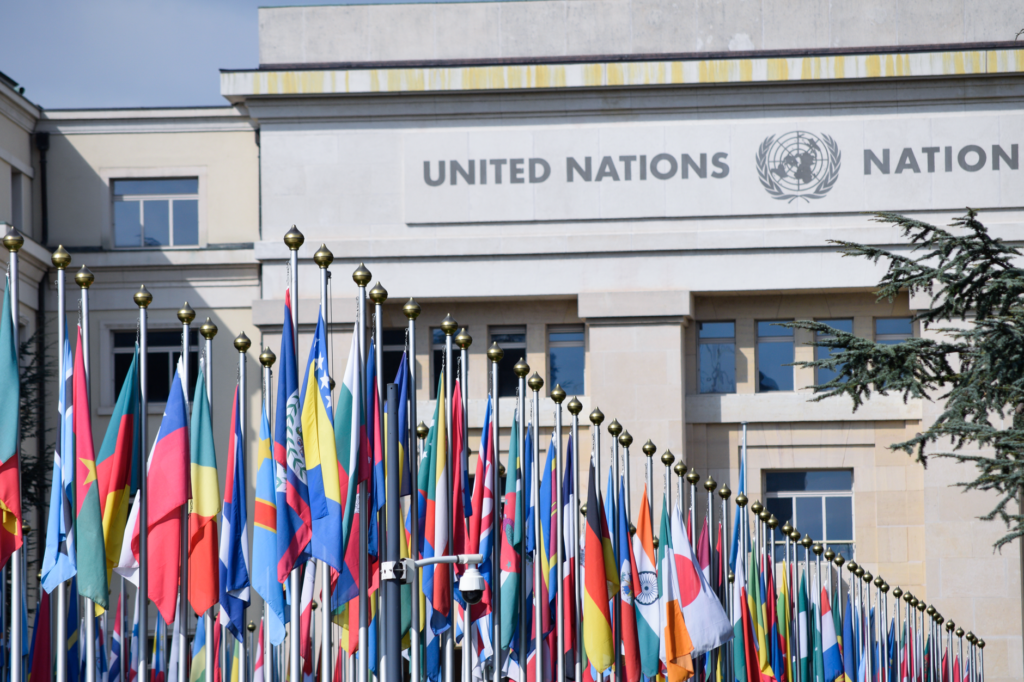
India Pakistan UN terrorism has become a focal point in international discussions as India vehemently slams Pakistan over its support for terrorism.
India’s Strong Statement at the UN
In a recent address at the United Nations, India delivered a strong statement condemning Pakistan’s ongoing support for terrorism. The Indian representative highlighted the need for international cooperation to combat the rising threat of terror emanating from its neighbor. Citing specific examples, India urged the UN to take decisive action against groups like Jaish-e-Mohammed, which has been linked to multiple attacks within India.
During the discourse, India particularly called out the UN’s inaction regarding the bounty on Masood Azhar, the head of Jaish-e-Mohammed, who has been implicated in numerous terrorist activities. The Indian delegation asserted that Pakistan’s failure to rein in these terror networks poses a significant challenge not only to India but to global peace and security.
India’s representative emphasized the importance of holding nations accountable that harbor and support terrorist organizations. He stated, “The world must unite against the menace of terrorism and ensure that those who promote it face consequences.” The remarks were framed within the broader context of India-Pakistan relations and the urgent need for the UN to address the issue of terrorism comprehensively.
As discussions continue, India remains steadfast in its commitment to fight against terrorism, calling for a unified global response to safeguard nations from this pervasive threat.
Pakistan’s Response to Allegations
In response to India’s recent allegations at the UN regarding terrorism, Pakistan has issued a firm rebuttal. The Pakistani government has accused India of using the platform to divert attention from its own internal issues. Officials argue that India’s claims are unfounded and a part of a larger narrative aimed at maligning Pakistan on the global stage.
Pakistani representatives at the UN emphasized that they are committed to combating terrorism and have taken significant steps to address the concerns raised by India. They highlighted various measures implemented to curb extremist activities and argued that any accusations should be substantiated with credible evidence.
Moreover, Pakistan’s foreign office released a statement asserting that the country has been a victim of terrorism itself and that it has faced numerous attacks linked to extremist groups. The statement also criticized India for allegedly supporting separatist movements in regions like Kashmir, which Pakistan claims undermines regional stability.
As the debate continues, both nations remain steadfast in their positions. The UN has become a battleground for these claims, with each side seeking to garner international support. Pakistan’s response underscores its intent to challenge India’s narrative while advocating for a cooperative approach to tackling terrorism.
The Role of Jaish-e-Mohammed
Jaish-e-Mohammed, a militant organization, plays a critical role in the ongoing tensions between India and Pakistan, particularly in the context of terrorism. This group has been linked to numerous attacks on Indian soil, raising serious concerns about regional security. As India reiterated its strong stance at the UN, it drew attention to the actions of Jaish-e-Mohammed and its leader, Masood Azhar, questioning the effectiveness of international measures against terrorism.
The organization has been implicated in high-profile incidents, including the 2019 Pulwama attack, which resulted in significant loss of life and escalated diplomatic tensions between the two nations. India’s representatives at the UN have consistently advocated for a robust global response to organizations like Jaish-e-Mohammed, urging the international community to take a unified stand against terrorist activities.
In response, Pakistan has often labeled these claims as unfounded, asserting that it is a victim of terrorism itself. However, India continues to emphasize the need for accountability and action against groups that promote violence in the region. The discourse surrounding Jaish-e-Mohammed at the UN highlights the complexities of the India-Pakistan relationship and the pressing need for a concerted effort to combat terrorism effectively.
Masood Azhar and International Law
Masood Azhar, the founder of the militant group Jaish-e-Mohammed, has become a focal point in discussions regarding terrorism in South Asia. His designation as a global terrorist by the United Nations was a significant step towards addressing the issue of cross-border terrorism, particularly in the context of India-Pakistan relations. However, the enforcement of international law regarding such designations remains inconsistent.
India has repeatedly called for stronger action against individuals like Azhar, arguing that his activities not only threaten regional stability but also violate international law. In a recent statement at the UN, Indian representatives emphasized the need for a unified approach to combat terrorism, highlighting the importance of holding accountable those who provide shelter and support to terrorists.
In response, Pakistan has dismissed the allegations against Azhar, claiming they lack substantial evidence. This ongoing denial raises questions about Pakistan’s commitment to international norms and its role in the fight against terrorism. The international community, particularly the UN, faces a challenge in addressing such discrepancies between member states’ actions and their obligations under international law.
As the dialogue continues, the situation surrounding Masood Azhar remains a critical element in the broader discussion of India-Pakistan relations and the fight against terrorism on the global stage.
Historical Context of India-Pakistan Relations
The historical context of India-Pakistan relations is deeply intertwined with issues of terrorism and regional security. Since their independence in 1947, both nations have engaged in multiple conflicts, primarily over the Kashmir region, which remains a flashpoint for tensions.
In the years following their partition, various wars and military skirmishes have shaped the relationship, leading to an atmosphere of distrust. This enmity was further exacerbated by the rise of militant groups, particularly those supported by Pakistan, which have operated across the border, targeting Indian civilians and security forces.
Key events that have defined this tumultuous relationship include:
- The 1947-48 Indo-Pakistani War, which established the Line of Control.
- The 1971 war, resulting in the creation of Bangladesh and a significant loss for Pakistan.
- The 1999 Kargil conflict, which highlighted ongoing military tensions.
- Multiple terrorist attacks in India, attributed to groups like Jaish-e-Mohammed, leading to international condemnation.
As India raises concerns at the UN regarding terrorism emanating from Pakistan, the historical grievances continue to complicate efforts towards a peaceful resolution. This ongoing conflict underscores the need for a clear and honest dialogue on terrorism and mutual security in the region.
Global Reactions to India’s Claims
In response to India’s claims at the United Nations regarding terrorism emanating from Pakistan, global reactions have been varied and significant. Many countries have taken a stance, reflecting their geopolitical interests and relationships within the region.
Several nations expressed support for India’s position, emphasizing the need for a united front against terrorism. Key allies have reiterated their commitment to combating extremist groups like Jaish-e-Mohammed, which India accuses of orchestrating attacks on its soil. The United States, in particular, highlighted the importance of holding perpetrators accountable to ensure regional stability.
Conversely, some countries have criticized India’s approach, suggesting that the accusations against Pakistan may exacerbate tensions. They have called for dialogue between the two nations, advocating for a peaceful resolution to the longstanding conflict. This split in perspectives illustrates the complexities surrounding the issue of terrorism in South Asia.
In a broader context, discussions at the UN have also focused on the implications of international law concerning individuals like Masood Azhar. The ongoing debate highlights the challenges faced by the international community in addressing terrorism effectively, particularly in relation to India-Pakistan dynamics.
- Support for India’s claims from key allies.
- Calls for dialogue from critics.
- Focus on Masood Azhar and international law.
Future Implications for Regional Security
The ongoing tensions between India and Pakistan, especially in the context of terrorism, have significant implications for regional security. The recent discussions at the United Nations have highlighted the urgent need for a collaborative approach to combat terrorism, which is often cited as a major obstacle to peace in South Asia.
As both nations continue to navigate their complex relationship, the role of international bodies like the UN becomes increasingly important. The focus on terrorism, particularly concerning groups like Jaish-e-Mohammed, necessitates a unified stance from the global community. Without collective action, the cycle of blame and aggression may worsen, potentially destabilizing the entire region.
Moreover, the international perception of both India and Pakistan influences their strategies and decisions. India’s strong statements at the UN reflect its determination to address cross-border terrorism, while Pakistan’s responses indicate its commitment to counter these allegations. The interplay of these narratives shapes the geopolitical landscape.
In conclusion, the implications for regional security hinge on whether both countries can find common ground through diplomatic channels. The path forward will require not only addressing the terrorism issue but also fostering trust and cooperation, which are essential for lasting peace in the region.
The ongoing tensions between India and Pakistan highlight the urgent need for a clear and honest response to the issue of India Pakistan UN terrorism. As both nations seek to address their security concerns, the role of international organizations becomes increasingly vital in mediating their disputes.
Photo by Xabi Oregi on Pexels



More Stories
US-Iran talks: The Latest Developments You Need to Know