
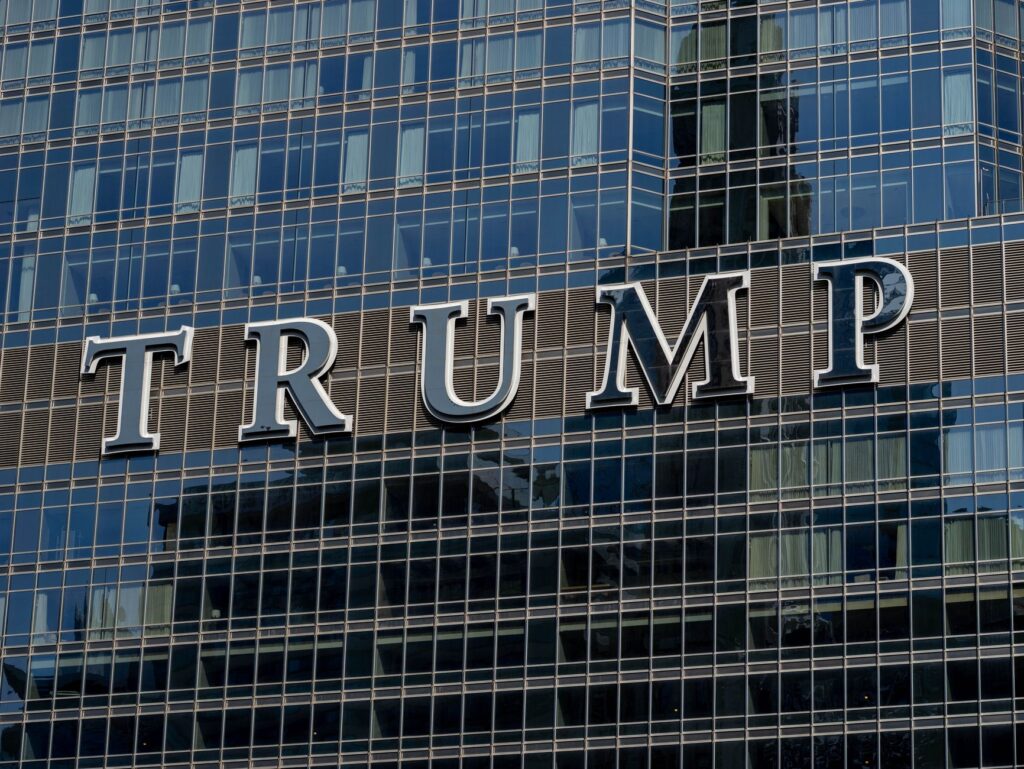
The Trump Xi Jinping visit has captured global attention as both leaders engage in crucial discussions about trade and bilateral relations.
Overview of the Trump Xi Jinping visit
The recent Trump Xi Jinping visit has sparked widespread discussion among economists and policymakers regarding its potential impact on trade relations between the United States and China. As both leaders convened for this historic state visit, the agenda focused heavily on strengthening economic ties and addressing existing trade disputes.
During the visit, several key topics were highlighted, including:
- Tariff negotiations: Both nations are keen to find common ground on tariffs that have been a point of contention.
- Intellectual property rights: Protecting intellectual property continues to be a critical issue for U.S. companies operating in China.
- Supply chain dependencies: The leaders discussed strategies to diversify supply chains to mitigate risks highlighted during the pandemic.
Experts believe that the outcomes of the Trump Xi Jinping visit could pave the way for a more stable trade environment, fostering cooperation in sectors like technology and agriculture. However, some analysts caution that significant challenges remain, particularly related to geopolitical tensions and differing economic philosophies.
As both countries navigate this complex relationship, the implications of the discussions held during this visit will undoubtedly influence future economic policies and trade agreements.
Significance of US-China trade relations
The significance of US-China trade relations cannot be overstated, particularly in the context of the recent Trump Xi Jinping visit. As the world’s two largest economies, the decisions made during this visit could have far-reaching implications for global trade dynamics.
Historically, the relationship between the United States and China has been marked by both cooperation and contention. Currently, several factors underscore the importance of their trade relations:
- Economic Growth: Both nations benefit from a robust trade partnership, which contributes significantly to their respective economic growth. A healthy trade relationship fosters job creation and innovation.
- Global Supply Chains: The interdependence of US and Chinese industries has led to the establishment of complex supply chains. Any disruptions can impact not only these two economies but also the global market.
- Geopolitical Stability: Strong trade ties can promote geopolitical stability. When countries engage in trade, they are less likely to engage in conflict, making diplomatic relations crucial.
- Future Trade Agreements: The Trump Xi Jinping visit may pave the way for future trade agreements that could address longstanding issues, from tariffs to intellectual property rights.
In light of these factors, the significance of the Trump Xi Jinping visit extends beyond mere diplomacy; it presents an opportunity to reshape the future of US-China trade relations.
Key discussions during the state visit
During the highly anticipated Trump Xi Jinping visit, several critical discussions took center stage, aiming to reshape the dynamics of US-China trade relations. Both leaders recognized the importance of addressing long-standing trade imbalances and fostering a cooperative environment that benefits both nations.
Key topics included:
- Trade Deficits: The leaders engaged in dialogue about the significant trade deficit the United States faces with China, exploring potential measures to reduce this gap.
- Intellectual Property Rights: A major focus was placed on protecting intellectual property, with both parties acknowledging the need for stronger enforcement mechanisms to combat theft and infringement.
- Tariff Policies: Discussions on tariffs also played a crucial role, as both nations weighed the implications of existing tariffs and the potential for future adjustments to enhance trade flows.
- Investment Opportunities: The leaders explored avenues for increasing investment in each other’s markets, with an emphasis on technology and infrastructure sectors.
- Regional Stability: Beyond trade, the conversations touched on regional security issues, emphasizing the importance of collaboration on global challenges.
The Trump Xi Jinping visit marks a pivotal moment in US-China relations, where both countries seek to redefine their economic partnership and address pressing trade issues that impact the global economy.
Public reaction to the Trump Xi Jinping meeting
As the Trump Xi Jinping visit unfolds, public reaction has been mixed, reflecting a range of opinions on the implications for trade relations between the United States and China. Many citizens express optimism, believing that this meeting could pave the way for a more balanced trade agreement that benefits both nations.
Supporters of the visit argue that:
- Increased cooperation: The Trump Xi Jinping meeting is seen as a necessary step towards resolving ongoing trade disputes.
- Economic growth: Proponents believe improved relations could stimulate economic growth in both countries, leading to job creation and investment opportunities.
However, there are significant concerns among skeptics:
- Trade imbalances: Critics worry that the discussions may not adequately address the trade imbalances that have long affected the U.S.
- Political implications: Some citizens fear that the meeting may prioritize corporate interests over the welfare of American workers.
Social media platforms have been abuzz with opinions, showcasing both the support and apprehension surrounding the visit. With the potential for shifting economic policies, the public remains vigilant, hoping that the outcomes of the Trump Xi Jinping visit will ultimately lead to a more equitable trade landscape.
Economic implications of the visit
The recent Trump Xi Jinping visit has sparked a significant discussion regarding its economic implications. As the leaders of the world’s two largest economies, their interactions hold substantial weight in shaping global trade dynamics. The state visit is seen as an opportunity to address ongoing trade tensions that have characterized US-China relations in recent years.
Experts are closely monitoring several key areas that could be impacted by this high-profile meeting:
- Tariff Adjustments: Both countries have imposed tariffs on each other’s goods, leading to increased costs for consumers and businesses. The outcome of this visit could potentially signal a shift in tariff strategies.
- Investment Opportunities: The Trump Xi Jinping visit may also pave the way for increased foreign investments, benefiting various sectors such as technology and agriculture.
- Supply Chain Stability: With global supply chains disrupted, discussions surrounding stabilization measures are critical for businesses reliant on US-China trade.
- Currency Valuation: Currency manipulation accusations have strained relations, and any agreements on currency practices could influence market stability.
Ultimately, the ramifications of the Trump Xi Jinping visit extend beyond bilateral relations, affecting not only the United States and China but also the global economy at large. Stakeholders worldwide are eager to see how these discussions unfold and their potential impact on international trade.
Future of US-China relations post-visit
The future of US-China relations following the recent Trump Xi Jinping visit remains uncertain, with experts divided on the potential outcomes of the discussions held during this historic state visit.
Many analysts believe that the meeting could pave the way for a more cooperative approach between the two nations. They cite the following possibilities:
- Increased Trade Collaboration: The two leaders may establish frameworks for reducing tariffs and enhancing trade agreements, which could benefit both economies.
- Addressing Mutual Concerns: Issues such as intellectual property theft and cybersecurity were reportedly key topics, and progress in these areas could foster trust.
- Strengthening Diplomatic Ties: A renewed commitment to dialogue may open doors for addressing other geopolitical challenges beyond trade.
On the other hand, some experts caution that the Trump Xi Jinping visit could yield limited results if underlying tensions are not adequately addressed. They highlight:
- Domestic Pressures: Both leaders face significant political pressures that could impact their ability to follow through on commitments made during the visit.
- Global Economic Shifts: The changing landscape of global trade may complicate bilateral relations, requiring more than just goodwill to navigate future challenges.
Ultimately, the long-term trajectory of US-China relations will depend on the actions taken post-visit and the willingness of both nations to engage constructively.
Historical context of US-China state visits
The historical context of US-China state visits reveals a complex tapestry of diplomatic interactions that have shaped the current landscape of global trade. Over the decades, these visits have been pivotal in establishing and maintaining economic relationships between the two nations. The Trump Xi Jinping visit marks another significant chapter in this ongoing saga.
Since the establishment of formal diplomatic relations in 1979, state visits have often served as a platform for addressing pressing issues, ranging from trade imbalances to security concerns. Notably, these visits have frequently been accompanied by high-stakes negotiations aimed at fostering cooperation and mitigating conflicts.
In the early 2000s, for instance, President George W. Bush’s meetings with Chinese leaders focused heavily on counter-terrorism and economic collaboration, reflecting the shifting priorities of a post-9/11 world. Similarly, President Barack Obama emphasized climate change and trade in his discussions with Chinese officials, showcasing the evolving dynamics of global challenges.
The Trump Xi Jinping visit is particularly noteworthy, given the backdrop of escalating trade tensions and tariffs. It serves as a reminder that personal diplomacy remains a crucial tool in navigating the intricate relationship between the world’s two largest economies. By understanding the historical precedents of these visits, one can better appreciate the stakes involved in current negotiations and the potential for future partnerships.
Analysis of trade agreements discussed
The recent Trump Xi Jinping visit has sparked significant debate among economists and policymakers regarding the future of trade agreements between the United States and China. During the summit, various critical topics were discussed, aimed at addressing the ongoing trade tensions that have impacted both economies.
Among the agreements proposed, the leaders focused on:
- Tariff Reduction: A mutual commitment to lower tariffs on key goods was emphasized, potentially easing the financial burden on consumers and businesses alike.
- Intellectual Property Rights: Strengthening protections for intellectual property emerged as a crucial point, aiming to foster innovation and fair competition.
- Investment Opportunities: The discussion included increasing American investments in China and vice versa, which could lead to greater economic collaboration.
- Trade Deficits: Addressing the trade deficit was a significant topic, with both leaders recognizing the need for a more balanced trade relationship.
Supporters of the Trump Xi Jinping visit argue that these discussions are essential for stabilizing the economic landscape, while critics remain skeptical about the feasibility and sincerity of the agreements reached. As the world watches, the outcomes of these negotiations will undoubtedly shape the future of US-China relations and the global economy at large.
Photo by Joshua Santos on Pexels
Where this came from
Related reading
Gaza reconstruction plan: Trump’s $2.45bn proposal unveiled · Kendall Jenner Beats ad: Is it the Best Celebrity Campaign? · Houthis seize Yemen: What are the proven impacts?




More Stories
Gaza reconstruction plan: Trump’s $2.45bn proposal unveiled
Justice Accountability News: The Right Steps Forward
UFO sightings in Tehran: What’s the real story behind it?