
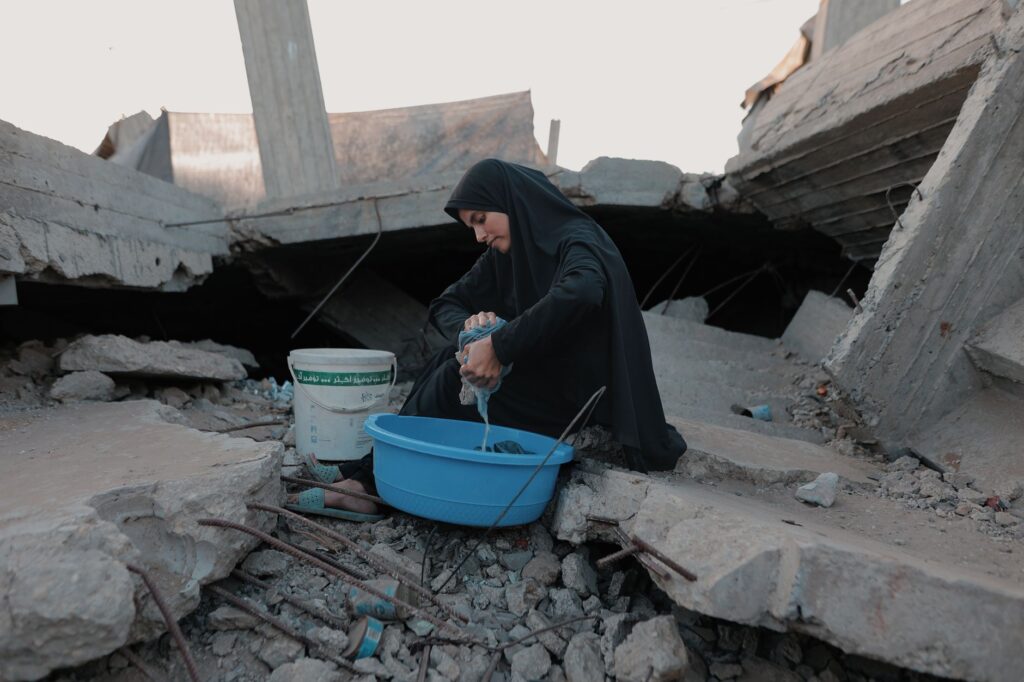
The Gaza reconstruction plan is set to transform the region with a significant $2.45 billion investment unveiled by Trump’s Board of Peace. This initiative aims to address the urgent need for rebuilding and recovery in Gaza.
Overview of the Gaza reconstruction plan
The Gaza reconstruction plan proposed by former President Donald Trump aims to address the urgent need for rebuilding infrastructure in the region following recent conflicts. This $2.45 billion initiative is designed to facilitate recovery and promote stability in Gaza.
Key elements of the plan include:
- Infrastructure Development: Significant investments will be directed towards restoring essential services such as water, electricity, and healthcare facilities.
- Economic Opportunities: The proposal emphasizes creating jobs and boosting the local economy through various construction projects.
- International Collaboration: Trump’s initiative encourages partnerships with international organizations to ensure efficient implementation and sustainability.
This comprehensive approach aims not only to rebuild but also to foster long-term peace and security in the region, highlighting the importance of a coordinated effort in the Gaza reconstruction plan.
Key components of the $2.45bn investment
The $2.45bn Gaza reconstruction plan introduced by Trump’s Board of Peace encompasses several key components aimed at revitalizing the region. The initiative focuses on rebuilding critical infrastructure, providing humanitarian aid, and fostering economic growth.
- Infrastructure Development: The plan allocates funds for repairing roads, schools, and hospitals that were damaged during recent conflicts.
- Housing Reconstruction: A significant portion of the investment will be dedicated to rebuilding homes for displaced families, ensuring they have safe living conditions.
- Job Creation: The proposal aims to create thousands of jobs through construction projects and local business support, stimulating the economy.
- Humanitarian Assistance: Financial resources will also be directed towards food, medical care, and essential services for the affected population.
This comprehensive approach is designed to lay the foundation for lasting peace and stability in the region.
Impact on the local economy
The Gaza reconstruction plan, announced by former President Trump, is expected to significantly impact the local economy. With an investment of $2.45 billion, the initiative aims to revitalize various sectors, creating jobs and improving living conditions for residents.
Experts believe that the influx of funds will lead to a series of positive developments, including:
- Infrastructure improvements: Enhanced roads, utilities, and public services will facilitate better access to essential resources.
- Job creation: The reconstruction efforts are projected to generate thousands of new employment opportunities across multiple industries.
- Boost to local businesses: Increased economic activity is likely to benefit small enterprises and stimulate growth.
Overall, the Gaza reconstruction plan could serve as a catalyst for long-term economic stability and development, fostering hope for a brighter future in the region.
International response to the proposal
The international response to the Gaza reconstruction plan has been mixed, with various nations expressing their support or concerns. Many countries in the Middle East view the $2.45bn proposal as a necessary step towards stabilizing the region and fostering peace.
- The Arab League welcomed the initiative, stating that it could lead to improved living conditions for Palestinians.
- The European Union emphasized the importance of transparency and equitable distribution of funds to ensure the reconstruction efforts benefit the community as a whole.
- Critics in some Western nations worry about the potential for funds to be misused, advocating for strict oversight mechanisms.
Overall, while the proposal has garnered significant attention, the effectiveness of the Gaza reconstruction plan will largely depend on the collaboration among international stakeholders and the commitment to ensuring sustainable development.
Challenges facing reconstruction efforts
The Gaza reconstruction plan faces numerous challenges that could hinder its success. Among these, the ongoing political instability in the region presents a significant obstacle.
Furthermore, the lack of a cohesive governance structure complicates the allocation of resources and reconstruction efforts.
Key challenges include:
- Security concerns: Ongoing conflicts may disrupt construction efforts and endanger workers.
- Funding shortages: While Trump’s proposal outlines a substantial investment, securing additional international funding remains uncertain.
- Infrastructure damage: Extensive destruction requires a comprehensive assessment and rebuilding strategy, which is still in its infancy.
- Humanitarian needs: Addressing immediate humanitarian crises must be balanced with long-term reconstruction goals.
Successfully navigating these challenges will be crucial to the effectiveness of the Gaza reconstruction plan and the region’s future stability.
Timeline for the reconstruction process
The timeline for the Gaza reconstruction plan has been outlined by Trump’s Board of Peace, aiming for a structured approach to rebuilding the region. The initial phase is set to commence within six months, focusing on essential infrastructure, including roads and hospitals. Following this, a second phase will begin within two years, dedicated to housing and public services, with an emphasis on sustainability.
Key milestones in the timeline include:
- Phase 1: Immediate infrastructure repairs starting in six months.
- Phase 2: Housing development and public service enhancements within two years.
- Long-term Vision: Complete revitalization to be achieved over a five-year span.
This structured timeline aims to ensure that the Gaza reconstruction plan is both efficient and effective, addressing urgent needs while laying the groundwork for sustainable growth.
Future implications for Gaza’s stability
The unveiling of the Gaza reconstruction plan has sparked a significant discussion regarding the future implications for the region’s stability. Supporters argue that the $2.45bn investment could foster economic growth and promote peace, providing essential infrastructure and services to the beleaguered population.
However, skeptics caution that without a comprehensive political solution, the reconstruction efforts may be futile. The potential for renewed conflict remains a concern, especially if underlying tensions are not addressed.
Moreover, the success of the Gaza reconstruction plan heavily depends on international cooperation and sustained funding. Key stakeholders, including regional powers and humanitarian organizations, must collaborate to ensure that the reconstruction process is not only effective but also sustainable.
The long-term stability of Gaza hinges on these efforts, as well as on the engagement of the local population in rebuilding their communities.
Photo by Hosny salah on Pexels



More Stories
Justice Accountability News: The Right Steps Forward
UFO sightings in Tehran: What’s the real story behind it?
Air India Express passengers face serious safety concerns