
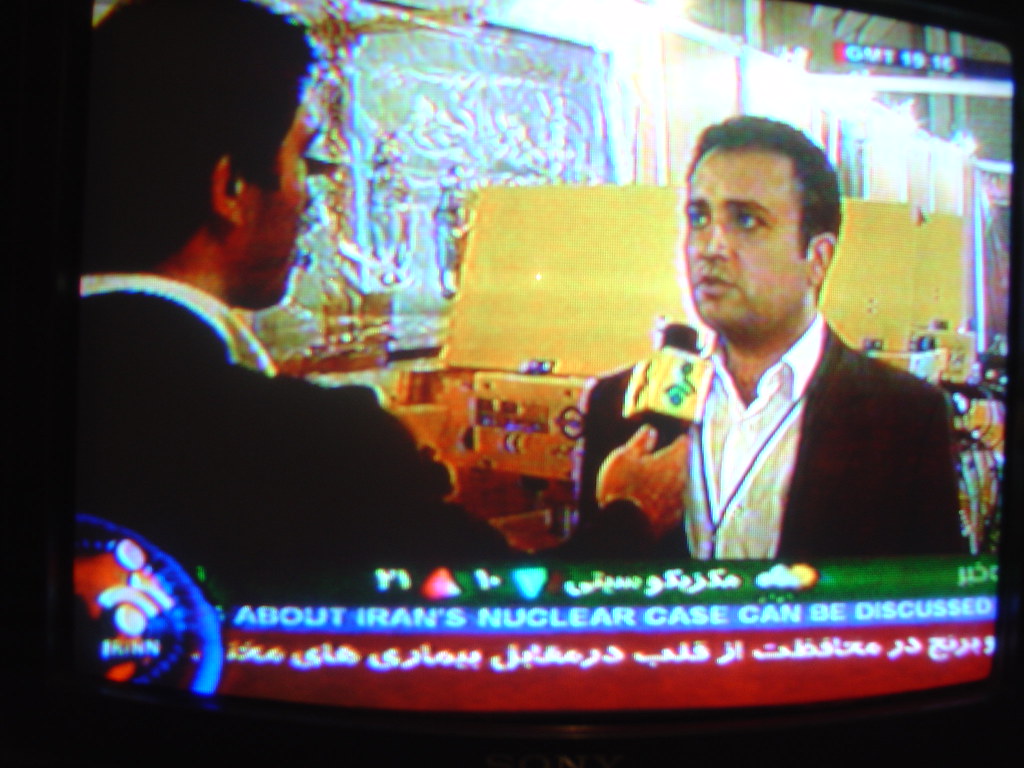
US-Iran talks are currently taking place in New York, aiming to address critical issues affecting both nations and the broader Middle East.
Overview of US-Iran Relations
The relationship between the United States and Iran has been marked by a complex history of tension and conflict. Recent developments have sparked renewed interest in the US-Iran talks, particularly in light of the ongoing negotiations aimed at addressing key issues that have strained their diplomatic ties.
At the forefront of discussions is Iran’s nuclear program, which has raised international concerns over potential military applications. The US has expressed the need for stringent measures to ensure compliance, while Iran insists on its right to pursue nuclear energy for peaceful purposes.
Additionally, economic sanctions imposed by the US have significantly impacted Iran’s economy, leading to calls for relief as part of any agreement. Both nations are also addressing regional security concerns, including the role of proxy groups in conflicts across the Middle East.
As the US-Iran talks continue, there is cautious optimism that a diplomatic resolution could lead to a more stable relationship and enhanced security for the region.
Recent Developments in New York
Recent developments in New York regarding the US-Iran talks have garnered significant attention from both political analysts and the public. In a series of meetings, diplomats from the United States and Iran have engaged in discussions aimed at addressing ongoing tensions and exploring avenues for renewed cooperation.
Key highlights from the talks include:
- Direct Communication: Officials from both sides emphasized the importance of maintaining open channels of communication to prevent misunderstandings.
- Focus on Nuclear Issues: A significant portion of the discussions revolved around Iran’s nuclear program, with both parties expressing a desire to reach a comprehensive agreement.
- Sanctions Relief: The U.S. reiterated its stance on sanctions while signaling a willingness to consider measures that could lead to de-escalation.
- Regional Security: The talks also touched upon broader regional security concerns, including the roles of other nations in the Middle East.
The outcomes of these discussions remain to be seen, but the dialogue marks a crucial step towards potentially reshaping US-Iran relations.
Key Issues on the Agenda
The ongoing US-Iran talks have brought several key issues to the forefront, each crucial for the future of diplomatic relations between the two nations. As negotiations progress, the following topics are expected to dominate discussions:
- Nuclear Program: The primary focus remains Iran’s nuclear ambitions, with the US seeking assurances that Tehran will not pursue weaponization.
- Sanctions Relief: Iran is pushing for the lifting of economic sanctions that have heavily impacted its economy, while the US maintains that sanctions will remain until compliance is ensured.
- Regional Stability: Both parties are concerned about the influence of Iran in the Middle East, particularly regarding its involvement in conflicts in Syria and Yemen.
- Human Rights: The US has raised concerns over human rights violations in Iran, which could be a potential sticking point in negotiations.
These issues reflect the complex nature of the US-Iran talks, emphasizing the need for cautious diplomacy moving forward.
Reactions from Global Leaders
Global leaders have expressed a range of reactions following the latest US-Iran talks in New York, signaling varying degrees of optimism and concern about the outcomes.
European Union officials have welcomed the dialogue, emphasizing the importance of continued engagement to foster stability in the region. A spokesperson stated, “We believe that diplomatic channels should remain open to address mutual concerns.”
Meanwhile, Middle Eastern leaders have voiced skepticism, urging both parties to take tangible steps towards de-escalation. An influential figure noted, “Words must translate into action; the region cannot afford another cycle of tension.”
In contrast, Russia has praised the talks, viewing them as a positive development in easing tensions. A senior diplomat remarked, “Constructive dialogue is crucial for a peaceful resolution to ongoing conflicts.”
As the world watches closely, the implications of these talks could have far-reaching effects, influencing not only US-Iran relations but also the broader geopolitical landscape.
Future of US-Iran Diplomacy
The future of US-Iran diplomacy is increasingly uncertain as both nations navigate a complex landscape of geopolitical tensions and mutual distrust. Recent discussions have raised questions about the efficacy of ongoing negotiations, particularly in light of diverging interests and regional dynamics.
Analysts suggest that the success of the US-Iran talks will hinge on several critical factors:
- Commitment to Dialogue: Both sides must demonstrate a genuine willingness to engage in constructive discussions, moving beyond mere posturing.
- Regional Stability: The involvement of neighboring countries and stakeholders could influence the outcome of diplomatic efforts, especially concerning issues like security and economic sanctions.
- Domestic Pressures: Political pressures within both the US and Iran may impact the negotiation process, as leaders balance international expectations with domestic priorities.
As the talks evolve, the international community will closely monitor developments, hoping for a breakthrough that could reshape the longstanding tensions between the US and Iran. The outcome remains uncertain, but the potential for renewed diplomacy offers a glimmer of hope.
By Ensie & Matthias via Openverse

More Stories