
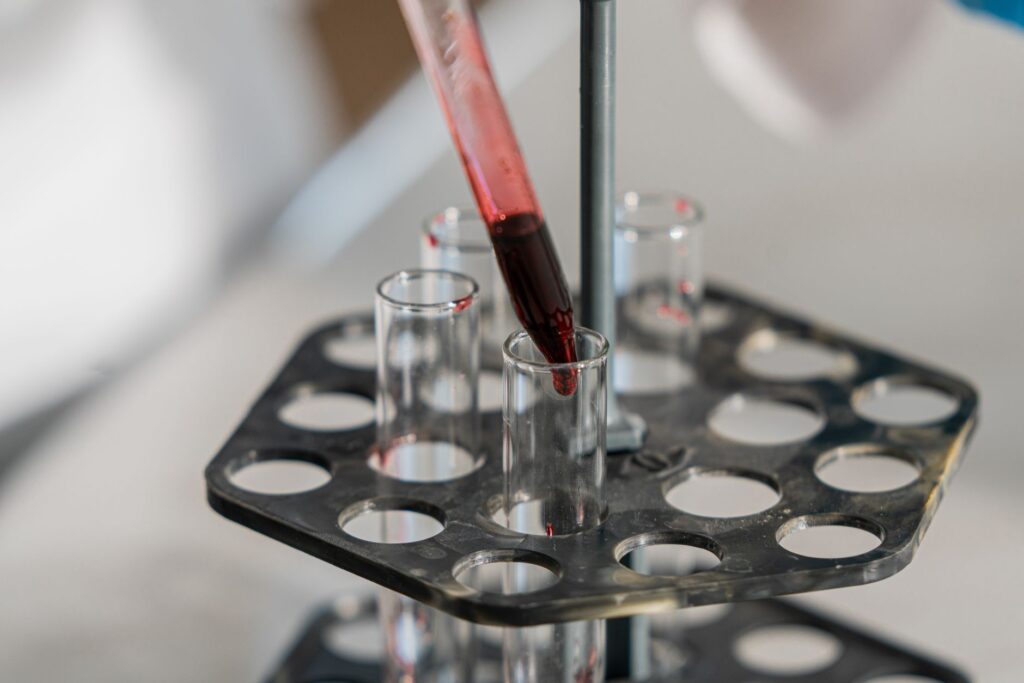
Biological samples retrieval is a significant achievement for the Shenzhou XXIII crew, who successfully collected samples after five months of exposure to space conditions.
Overview of the Shenzhou XXIII Mission
The recent Shenzhou XXIII mission has garnered attention for its successful biological samples retrieval after a five-month period in space. Launched to conduct various experiments in a microgravity environment, the mission provided invaluable insights into biological processes and the effects of space exposure on living organisms.
The Shenzhou spacecraft carried a diverse array of biological samples, including plant seeds and microbial cultures, specifically selected for their potential to enhance our understanding of life beyond Earth. Throughout the mission, the crew monitored these samples closely, documenting their growth and development under the unique conditions of space.
Upon the spacecraft’s return to Earth, scientists were eager to analyze the samples that had endured extended exposure to the harsh environment of space. The successful biological samples retrieval marks a significant milestone in space research, as it opens new avenues for studying how organisms adapt and evolve in extraterrestrial conditions.
The data obtained from this mission will not only contribute to future space exploration but may also have applications in medicine and agriculture on Earth. As researchers continue to study the retrieved samples, the Shenzhou XXIII mission stands as a testament to human ingenuity and the quest for knowledge beyond our planet.
- Successful retrieval of biological samples
- Focus on plant seeds and microbial cultures
- Impact on future space exploration
Biological Samples Retrieval Process
The biological samples retrieval process during the Shenzhou XXIII mission involved meticulous planning and execution to ensure the integrity and viability of the specimens collected from space. The crew was trained extensively to handle the samples, which included various biological specimens exposed to the unique conditions of low Earth orbit.
Upon the completion of the mission, the astronauts followed a series of detailed protocols to retrieve the samples. The process involved:
- Preparation: Prior to retrieval, the crew prepared the necessary equipment and ensured that all containment units were ready for safe transport.
- Sample Collection: Using specialized tools, the astronauts carefully collected the samples from designated experiment modules, ensuring minimal contamination and damage.
- Sealing and Documentation: Each sample was sealed in sterile containers and meticulously documented to maintain a clear chain of custody and scientific accuracy.
- Transport to Earth: The sealed samples were safely transported back to the spacecraft, where they remained in controlled environments until re-entry.
This rigorous biological samples retrieval process not only ensured that the specimens remained uncontaminated but also provided valuable insights into the effects of microgravity on biological systems. The successful retrieval marks a significant achievement in space research and paves the way for future studies in astrobiology and human spaceflight.
Significance of Space Exposure
The significance of space exposure for biological samples retrieval cannot be overstated. Research conducted during missions like Shenzhou XXIII provides invaluable insights into how living organisms react to the conditions of space, including microgravity and increased radiation levels. These factors can induce changes at the cellular and molecular levels that are not observable on Earth.
Among the key findings from the recent mission, scientists have noted various adaptations in biological samples, which include:
- Altered gene expression: Changes in the expression of genes can affect the growth and behavior of organisms, helping researchers understand the long-term impacts of space travel.
- Microbial behavior: The behavior of microbes can shift under space conditions, prompting investigations into potential risks and benefits for future long-duration missions.
- Cellular changes: Observations of cellular structures reveal how cells adapt to stressors found in space, which can inform medical research for astronauts.
These findings highlight the importance of biological samples retrieval in advancing human knowledge about life beyond Earth. The data collected will not only aid in preparing for future space missions but also contribute to biotechnological advancements on our home planet. Understanding how organisms respond to extreme environments paves the way for innovative solutions in health, agriculture, and environmental science.
Future Implications for Space Research
The successful retrieval of biological samples during the Shenzhou XXIII mission has significant implications for future space research. As space agencies around the world strive to understand the effects of long-duration spaceflight on living organisms, the techniques honed during this mission will undoubtedly pave the way for more advanced studies.
One of the key benefits of biological samples retrieval is the ability to analyze the impact of microgravity on various biological processes. Researchers are eager to explore how genetic material, cellular structures, and metabolic functions are affected in an environment vastly different from Earth. This understanding could lead to breakthroughs in numerous fields, including medicine, agriculture, and biotechnology.
Furthermore, the successful methodology developed for sample retrieval can be applied to future missions, including those targeting Mars and beyond. As we prepare for longer missions, the ability to collect and analyze biological samples will become increasingly crucial. The data gathered will help assess the viability of sustaining human life on other planets, informing both safety protocols and potential agricultural practices necessary for long-term habitation.
In addition, the collaboration between international space agencies and research institutions will enhance the quality of studies conducted on these samples. Sharing findings and developing standardized procedures for biological samples retrieval can accelerate the pace of scientific discoveries and foster global partnerships in space exploration.
Photo by Ivan S on Pexels



More Stories
Mars Sample Return: The Best Proven Effort to Bring Samples Home
Black Hole Image Accuracy: Proven Results from New Study
JAXA Mars rocket launch: A Smart Step Toward Exploration