
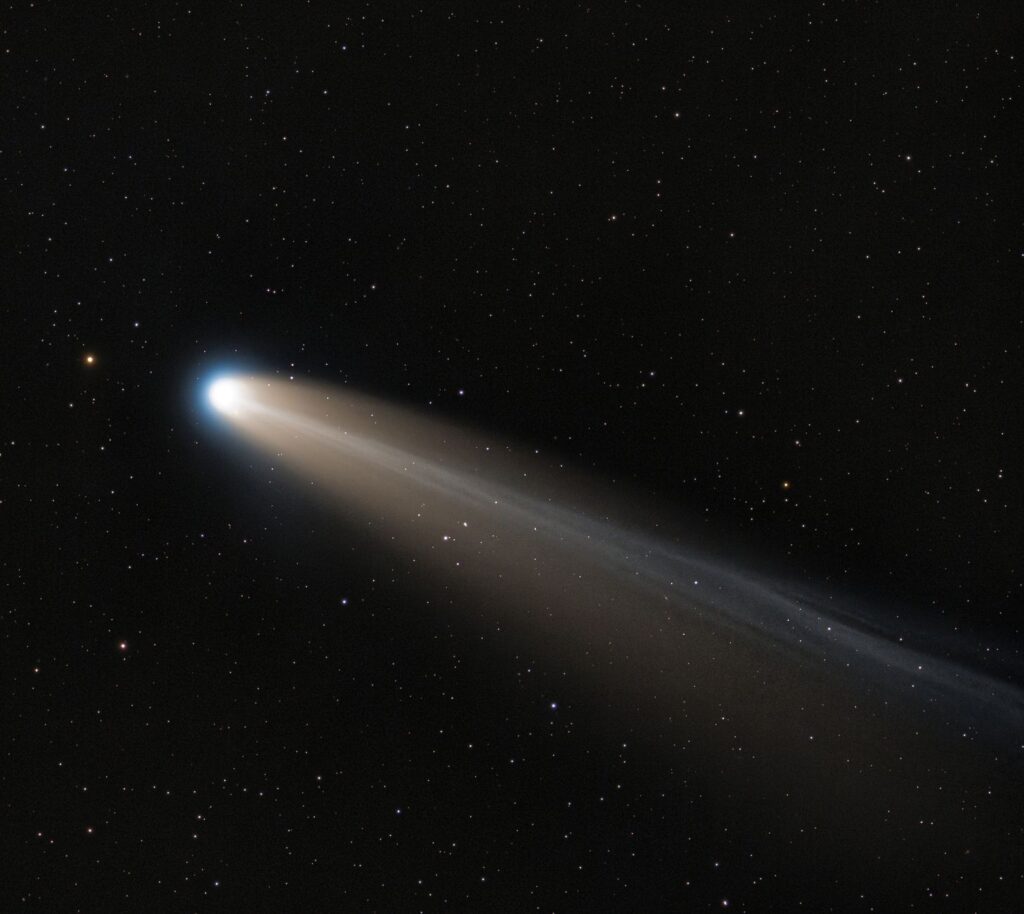
Chase Comet 161P is an exciting celestial event happening today. This article provides essential tips for observing this remarkable comet.
What is Comet 161P?
Comet 161P, also known as Chase Comet 161P, is a periodic comet that orbits the Sun approximately every six years. Discovered in 1986, this comet is named after its discoverers and has since garnered attention from both amateur and professional astronomers. Comet 161P is notable for its relatively bright appearance, making it an exciting target for skywatchers during its perihelion, the point in its orbit where it comes closest to the Sun.
The comet’s composition primarily includes ice, dust, and volatile gases, which become visible as it approaches the Sun and warms up, causing it to release gas and dust into a glowing coma and tail. Observing Comet 161P can be a breathtaking experience, especially when it is at its brightest.
For those looking to catch a glimpse of this celestial wonder, it is essential to plan viewing times and locations carefully to maximize the chances of witnessing this dazzling event in the night sky.
Best Viewing Times for Comet 161P
When planning to observe the Chase Comet 161P, timing is crucial for an optimal experience. The best viewing times are typically during the early morning hours or just after sunset, when the sky is darkest and the comet is more visible.
Experts recommend the following times to catch a glimpse of Comet 161P:
- Early November: The comet will reach its peak brightness around November 11, making this an ideal time for viewing.
- Mid-November: As Comet 161P moves away from the Sun, it will still be observable until mid-November, albeit at a slightly reduced brightness.
- Late November: While visibility will decrease, dedicated observers may still catch faint glimpses of the comet through binoculars or small telescopes.
Be sure to check local weather conditions and find a dark location free from light pollution to enhance your viewing experience of this remarkable celestial event.
Chase Comet 161P: Tips for Stargazers
As stargazers prepare for the viewing of Chase Comet 161P, there are several tips that can enhance the experience. First, it is essential to choose a dark location away from city lights. Light pollution can significantly diminish the visibility of this celestial event.
Next, consider using binoculars or a telescope for a closer look at the comet’s tail and nucleus. While the comet may be visible to the naked eye, these tools can reveal more details that are not otherwise apparent.
Additionally, timing is crucial. Aim to observe Chase Comet 161P during its peak brightness, typically during the early morning or late evening hours. Check local astronomical charts for precise timings.
Lastly, dress warmly and bring a blanket or chair to enjoy the stargazing experience comfortably. Sharing the moment with friends or family can also make it more enjoyable.
Historical Significance of Comet 161P
The historical significance of Chase Comet 161P is profound, as this celestial body has captivated astronomers and stargazers alike for centuries. First discovered in 1986, its unique characteristics have made it a subject of extensive study and admiration.
Comet 161P is notable for its periodic returns, which occur approximately every 6.2 years, allowing enthusiasts to witness its spectacular displays with relative frequency. Its orbit brings it close to Earth, providing a rare opportunity for observation.
Throughout history, comets have often been seen as omens or heralds of significant events. The appearance of Chase Comet 161P has coincided with various notable occurrences, leading to its inclusion in the annals of astronomical history.
Furthermore, this comet has contributed to our understanding of the solar system’s formation and the behavior of icy bodies in space, reinforcing its importance in both historical and scientific contexts.
How to Prepare for Comet Viewing
As stargazers gear up for the upcoming appearance of the Chase Comet 161P, preparation is essential to enhance the viewing experience. Here are some helpful tips for a successful comet observation:
- Choose the Right Location: Find a dark area away from city lights to maximize visibility. Parks or open fields are ideal spots.
- Check the Weather: Clear skies are crucial for viewing the comet. Monitor local forecasts to ensure optimal conditions.
- Use Binoculars or a Telescope: While the comet may be visible to the naked eye, binoculars or a telescope can provide a more detailed view.
- Bring a Star Map: Familiarize yourself with the night sky by using a star map or app. This will help you locate Comet 161P more easily.
- Dress Appropriately: Depending on the season, wear warm clothing to stay comfortable during your viewing session.
By following these tips, you can make the most out of your experience observing the Chase Comet 161P.
Photo by Scott Lord on Pexels



More Stories
Cosmic Fountains: Are They the Best Discovery of the Year?