
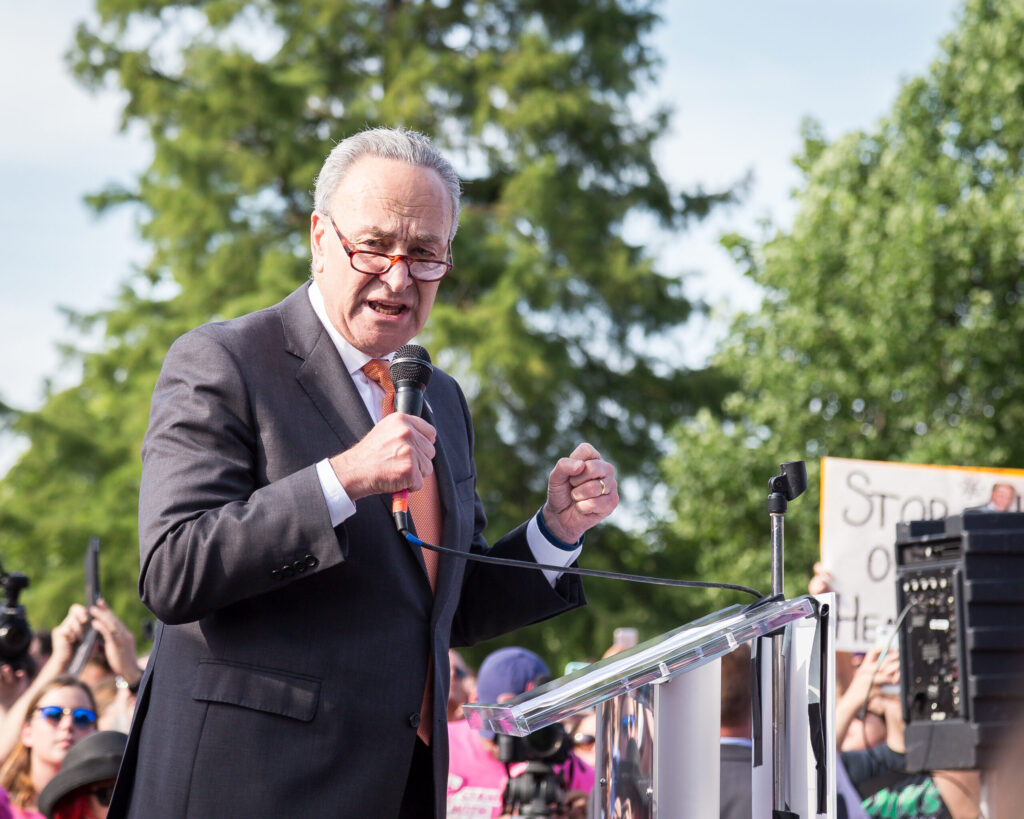
Defeat Chuck Schumer is the goal of a determined Democrat aiming to reshape the Senate landscape. This article explores the motivations and implications of this political challenge.
Background on Chuck Schumer
Chuck Schumer, a prominent figure in American politics, has served as the Senate Majority Leader since January 2021. His tenure in the Senate began in 1999, representing New York, where he has become a key player in shaping legislation and party strategy. Known for his ability to navigate complex political landscapes, Schumer has faced increasing scrutiny from both the left and the right.
In recent years, some Democrats have expressed a desire to defeat Chuck Schumer in the upcoming primaries, arguing that his leadership style does not align with the progressive values that many voters expect. Critics claim that his moderate approach may hinder more ambitious initiatives, particularly on issues like climate change and healthcare reform. This rift within the party has sparked debates about the future direction of Democratic leadership.
Supporters of Schumer argue that his experience and established relationships are vital for advancing legislation in a divided Congress. They emphasize the importance of strategic compromises and coalition-building to achieve legislative goals. However, the growing calls for a new leader suggest that some party members believe a shift in strategy is necessary to energize the base and attract younger voters.
As discussions continue, the question remains: can a candidate emerge to effectively challenge and potentially defeat Chuck Schumer in the political arena?
The Democrat’s Motivation
The motivation behind efforts to defeat Chuck Schumer stems from a blend of ideological, strategic, and personal factors among various Democratic factions. As the Senate Majority Leader, Schumer’s leadership style and policy decisions have sparked both support and dissent within the party.
Many progressives argue that Schumer has not sufficiently championed bold reforms. They believe that his moderate stance compromises the party’s ability to address urgent issues such as climate change, healthcare reform, and income inequality. This sentiment is echoed by grassroots organizations that seek a more progressive agenda, pushing for candidates who align closely with their values.
Additionally, some members of the Democratic Party feel that Schumer’s long tenure may have stifled new leadership and innovative ideas. They are motivated by a desire for fresh voices that can invigorate the party and attract younger voters. In their view, defeating Schumer could pave the way for a new direction that resonates more with the evolving electorate.
Moreover, the competitive nature of New York politics means that maintaining a strong challenge to incumbent leaders is crucial for the party’s overall health. As such, the drive to defeat Chuck Schumer reflects a broader strategy to reshape the Democratic Party’s identity and priorities in the face of changing political dynamics.
Implications for the Senate
The implications of a campaign to defeat Chuck Schumer extend far beyond the individual race. The outcome could reshape the dynamics within the Senate, impacting both party strategies and legislative priorities.
First, a successful challenge to Schumer could embolden other Democrats to pursue more progressive agendas. If a candidate manages to unseat the long-time incumbent, it may signal a shift in voter sentiment towards more radical policies, potentially leading to a reevaluation of the Democratic Party’s platform.
Second, should Schumer lose, the balance of power in the Senate could tilt in favor of Republicans, who are keen to capitalize on any perceived weakness within the Democratic ranks. This shift may result in a more contentious legislative environment where bipartisan cooperation becomes increasingly challenging.
Moreover, a defeat could lead to a power vacuum within the Democratic leadership. With Schumer’s departure, new leadership may emerge, creating opportunities for fresh perspectives or further entrenching existing divisions within the party. This change could influence key issues such as climate change, healthcare, and economic reform.
Lastly, the national implications of a defeat could invigorate grassroots movements across the country, inspiring challengers in other states to adopt similar strategies against entrenched incumbents. The broader consequences could redefine electoral strategies in the coming years.
Public Opinion on Schumer
Public opinion surrounding Chuck Schumer has become increasingly polarized as discussions about his leadership intensify. Many constituents in New York express a mix of support and frustration, which is crucial for those aiming to defeat Chuck Schumer.
Recent polls indicate that while Schumer maintains a strong base within the Democratic Party, there are significant concerns among independents and moderate voters regarding his effectiveness. A few key areas of public sentiment include:
- Perceived Inaction: Many voters feel that Schumer has not done enough to address pressing issues such as healthcare reform and climate change.
- Party Representation: Some constituents believe that Schumer prioritizes party politics over the needs of New Yorkers, leading to calls for a more responsive leadership.
- Challenges from the Left: Progressive factions within the party are vocal about their dissatisfaction, pushing for alternatives that they believe would better represent their values.
As the political landscape shifts, these opinions could significantly impact Schumer’s chances in future elections. Observers note that if dissatisfaction continues to grow, those aiming to defeat Chuck Schumer may find themselves with a viable opportunity to challenge his long-standing position in the Senate.
Potential Candidates to Challenge
As the push to defeat Chuck Schumer gains momentum, several potential candidates are emerging to challenge the long-time senator. These individuals represent a mix of political backgrounds and ideologies, reflecting the diverse interests within the party.
- Alexandra Martinez: A progressive activist and former city council member, Martinez has garnered support from younger voters and grassroots organizations. Her platform focuses on climate change and social justice, appealing to those who feel Schumer has strayed from core Democratic values.
- David Chen: A moderate businessman with experience in both public and private sectors, Chen aims to attract centrist voters who may be disillusioned with the current political landscape. His campaign emphasizes economic growth and bipartisanship.
- Maria Gonzalez: A former state representative known for her advocacy on healthcare issues, Gonzalez positions herself as a candidate who can unite various factions within the party. She aims to challenge Schumer’s stance on crucial healthcare reforms.
- James O’Leary: A well-known local leader with roots in labor unions, O’Leary’s campaign focuses on workers’ rights and fair wages. He seeks to invigorate the union base that has historically supported Schumer.
As these candidates prepare to launch their campaigns, the question remains: who will effectively rally the support needed to successfully defeat Chuck Schumer in the upcoming election?
Future of Democratic Leadership
The future of Democratic leadership is a topic of intense discussion, particularly as some party members seek to defeat Chuck Schumer in the upcoming elections. Many believe that a shift in leadership could reinvigorate the party and align it more closely with the progressive ideals that resonate with a significant portion of the electorate.
A central question arises: who will step forward to challenge Schumer? Potential candidates are weighing their options, considering both the risks and rewards of entering the race. The Democratic Party is at a crossroads, and the outcome of this challenge could shape its direction for years to come.
Several factors are influencing the strategy to unseat Schumer:
- Voter Discontent: There is a growing sentiment among voters that current leadership is not effectively addressing their concerns.
- Progressive Movements: The rise of progressive movements within the party is prompting calls for a new approach to governance.
- Funding and Resources: Candidates looking to challenge Schumer must secure adequate funding and grassroots support to mount a viable campaign.
As the election cycle approaches, the strategies employed by challengers will be critical in determining whether they can successfully defeat Chuck Schumer and redefine the landscape of Democratic leadership.
By Mobilus In Mobili via Openverse
Sources
Related stories
Asia Cup Semi-Final: Proven Strategies for Winning Teams · Dhurandhar rapper incident: What went wrong during performance? · Gold Loan Borrowers Face Risk Amid Falling Prices: Smart Insights



More Stories
Thanksgiving message Trump: The Wrong Time for Political Attacks
Young Republicans Message: Is It Time for Real Change?
Ukraine Loan Proposal: Clear Benefits for EU and Recovery