
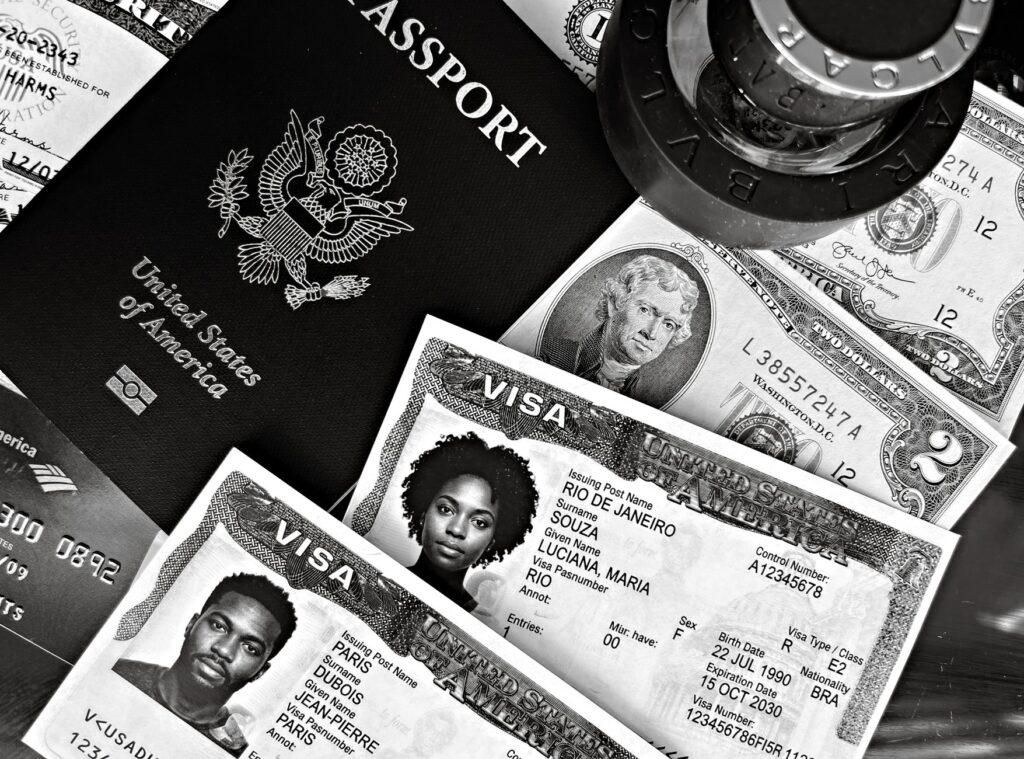
H-1B visa remarks made by JD Vance have drawn a strong response from India, which labels the claims as baseless. This controversy highlights ongoing tensions surrounding immigration policies.
Background on H-1B visa program
The H-1B visa program is a non-immigrant visa that allows U.S. companies to employ foreign workers in specialty occupations. This program has been a topic of much debate, particularly regarding its impact on the American job market and the economy. As one of the most sought-after visas, it is primarily used by skilled professionals in fields such as technology, engineering, and healthcare.
In recent discussions, the H-1B visa remarks made by public figures have prompted responses from various sectors, especially from countries that significantly benefit from the program, like India. Critics argue that the program undercuts American workers, while supporters highlight its role in filling labor shortages in high-skill areas.
Key points often raised in support of the H-1B program include:
- It helps U.S. companies remain competitive in a global economy.
- Many H-1B visa holders contribute to innovation and technological advancements.
- The program is subject to strict regulations, ensuring that it does not exploit foreign workers.
Addressing the recent H-1B visa remarks, officials emphasize the importance of clear facts over misconceptions, aiming for a more informed dialogue on this critical issue.
JD Vance’s comments explained
JD Vance, a U.S. Senator, recently made controversial remarks regarding the H-1B visa program, prompting a strong response from Indian officials. Vance’s comments suggested that the visa program, which allows U.S. companies to employ foreign workers in specialized fields, is detrimental to American workers and the economy.
In addressing these remarks, Indian officials emphasized that the H-1B visa program plays a crucial role in filling skill gaps in the U.S. labor market. They noted that many companies rely on highly skilled workers from India to maintain their competitive edge in technology and innovation.
To counter Vance’s assertions, the Indian government highlighted several key points:
- Job Creation: The H-1B visa program has contributed to job creation in the U.S., with many visa holders generating additional employment opportunities.
- Economic Contribution: Skilled workers on H-1B visas contribute significantly to the U.S. economy, injecting billions annually through taxes and consumer spending.
- Global Talent: Attracting global talent ensures that American companies remain at the forefront of technological advancements.
These facts challenge the validity of Vance’s remarks and underscore the importance of the H-1B visa program in fostering economic growth.
India’s official response
In response to the recent remarks made by JD Vance regarding the H-1B visa program, the Indian government has issued a strong rebuttal, labeling the claims as baseless. Officials emphasized that the H-1B visa system plays a crucial role in fostering innovation and collaboration between the United States and India.
In a statement, India’s Ministry of External Affairs highlighted several key points to counter Vance’s assertions:
- Contribution to the U.S. Economy: Indian professionals on H-1B visas are vital contributors to the U.S. economy, particularly in the tech sector, where they help fill critical skill gaps.
- Diversity and Talent: The program promotes diversity, bringing in talented individuals from around the world to enhance the American workforce.
- Legal Compliance: Indian companies and professionals adhere to all regulations associated with the H-1B visa, ensuring that their participation is lawful and beneficial.
The Indian government reiterated its commitment to addressing misconceptions related to the H-1B visa remarks, underscoring the positive impact that Indian professionals have in the United States. This response seeks to clarify misunderstandings and foster a more accurate dialogue on the issue.
Impact on US-India relations
The recent H-1B visa remarks made by U.S. Senator JD Vance have stirred significant debate, particularly regarding their potential implications for US-India relations. As both nations share a robust partnership, especially in technology and innovation sectors, such comments can lead to misunderstandings and tensions.
India, a major contributor to the U.S. tech workforce through the H-1B visa program, has historically viewed these employment pathways as vital for mutual economic growth. The swift condemnation of Vance’s remarks by Indian officials highlights the sensitivity surrounding immigration issues and their broader impact on bilateral ties.
Key areas where the impact may be felt include:
- Economic Collaboration: Disparaging comments can create hesitance among Indian professionals considering opportunities in the U.S., affecting talent flow.
- Political Relations: Such remarks may strain diplomatic conversations, making negotiations on other important matters more challenging.
- Public Perception: A rise in negative sentiment could foster anti-American attitudes among Indian citizens, complicating cross-cultural relations.
In summary, the fallout from Vance’s H-1B visa remarks could reverberate beyond immigration policy, influencing the broader trajectory of US-India relations.
Public reactions to the remarks
Public reactions to the remarks regarding the H-1B visa have been varied, with many individuals and organizations expressing their views on JD Vance’s comments. A significant number of tech industry leaders have come forward to defend the integrity of the H-1B visa program, emphasizing its crucial role in fostering innovation and filling skill gaps in the U.S. labor market.
Moreover, numerous social media users have taken to platforms like Twitter to voice their concerns over what they see as misinformation surrounding the visa program. Many comments highlighted the contributions of H-1B visa holders to the economy, including:
- Driving advancements in technology and research.
- Creating jobs for American workers through economic growth.
- Fostering diversity and inclusivity in workplaces.
In contrast, some individuals echoed Vance’s sentiments, citing concerns about job competition. However, this has been largely countered by data illustrating that H-1B visa holders often fill positions that would otherwise remain unfilled. In addressing the H-1B visa remarks, critics have called for a more informed discussion that respects the facts rather than succumbing to baseless claims.
Expert opinions on immigration
Experts in immigration law and policy have weighed in on the recent H-1B visa remarks made by JD Vance, emphasizing the importance of accurate information in the ongoing debate over immigration. According to Dr. Maria Gonzalez, a prominent immigration scholar, “The claims regarding the H-1B visa program are often exaggerated and do not reflect the reality of its impact on the U.S. economy.” She highlights that the program is designed to fill critical skill gaps in the labor market, particularly in technology and engineering sectors.
Furthermore, Professor Alan Chen, an expert in labor economics, stated, “The H-1B visa program not only benefits foreign workers but also contributes significantly to innovation in the United States.” He noted that many successful American companies owe a portion of their growth to the contributions of H-1B visa holders.
Industry leaders also chimed in, with tech entrepreneur Sarah Lee asserting that “the H-1B visa program is vital for attracting the best talent from around the globe.” She added that baseless claims against the program could hinder the U.S.’s competitive edge in technology and research.
Overall, the expert consensus is clear: misinformation surrounding H-1B visa remarks can lead to detrimental policy decisions that may harm both the U.S. and its global partners.
Future of H-1B visa policies
The future of H-1B visa policies remains a critical topic as debates surrounding immigration continue to evolve. Recent remarks by JD Vance have sparked controversy, with many experts arguing that misconceptions about the H-1B visa program could lead to misguided policy changes. Understanding the implications of these remarks is essential for both American businesses and foreign workers.
As the U.S. economy increasingly relies on skilled labor, particularly in the technology and healthcare sectors, the H-1B visa serves as a vital resource for companies struggling to fill specialized positions. A significant portion of H-1B visa holders come from India, which has resulted in a strong professional linkage between the two nations. However, calls for stricter visa regulations could hamper innovation and limit the talent pool available to U.S. employers.
Furthermore, immigration advocates emphasize the importance of basing policy changes on facts rather than inflammatory remarks. They argue that H-1B visa remarks, such as those made by Vance, often overlook the contributions of immigrant workers to the U.S. economy. Moving forward, a balanced approach that recognizes the economic benefits of the H-1B program could help shape more effective immigration policies.
Conclusion and implications
In conclusion, the recent H-1B visa remarks made by JD Vance have sparked significant controversy and debate. While his comments aimed to underscore concerns regarding immigration policies, they have been met with strong rebuttals from various stakeholders, particularly from India, which has a vested interest in the H-1B visa program.
The swift and clear refutation of these claims highlights the importance of relying on factual information when discussing complex immigration issues. The backlash from India not only underscores the strength of diplomatic ties between the two nations but also emphasizes the necessity for accurate discourse surrounding immigration and its implications for global talent mobility.
Moving forward, the implications of these remarks could influence both public perception and policy discussions regarding the H-1B visa program. As experts weigh in on the effectiveness and future of these visa policies, it remains crucial for policymakers to consider the broader economic impacts and the contributions of skilled workers to the U.S. economy.
Ultimately, the discourse surrounding H-1B visa remarks will likely continue, highlighting the need for constructive dialogue that fosters understanding and collaboration between nations.
The recent discussion around H-1B visa remarks has highlighted the need for accurate information in the ongoing debate. Many misconceptions have arisen, prompting experts to clarify these H-1B visa remarks with clear evidence and statistics.
Photo by DΛVΞ GΛRCIΛ on Pexels
Sources
You might also like
Pat Cummins Response: Honest Take on Khawaja’s Book · Computing Power Pledge: Tech Firms Commit $2.4B for Mission · Cattle deaths Rajasthan: Worst drought relief delays exposed



More Stories
Computing Power Pledge: Tech Firms Commit $2.4B for Mission
Cattle deaths Rajasthan: Worst drought relief delays exposed
Data Breach Consequences: The Worst Impact on Accenture