
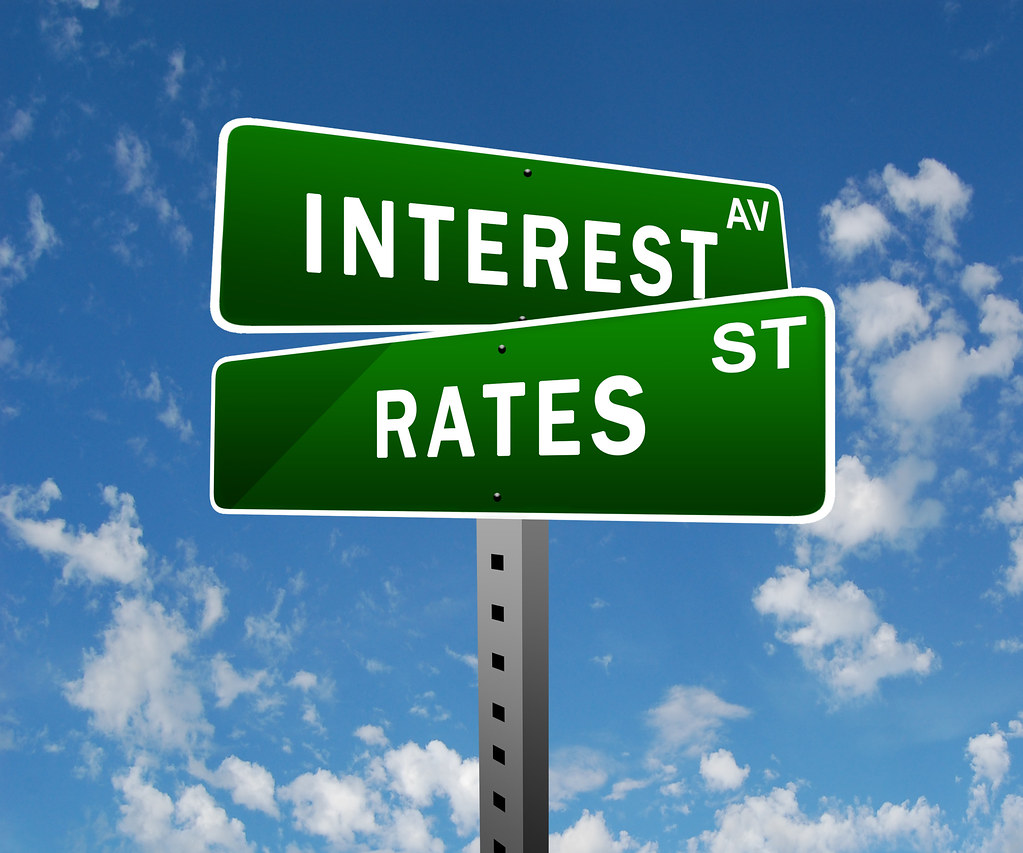
The interest rate decision is a pivotal moment as the Federal Reserve announces its latest policy ahead of the midterm elections. Investors and voters alike are watching closely.
What is the Interest Rate Decision?
The recent interest rate decision by the Federal Reserve has sparked significant discussion among economists and policymakers. As the nation approaches the midterm elections, the timing of this decision raises questions about its potential impact on the economy and voters’ sentiments.
The interest rate decision is a critical tool used by the Federal Reserve to control inflation and stabilize the economy. By adjusting the rates at which banks lend to one another, the Fed aims to influence broader economic activity, including consumer spending and investment.
This latest rate change comes amid rising inflation concerns, with many Americans feeling the pinch in their daily lives. The Fed’s decision could have several implications:
- Consumer Borrowing Costs: Higher interest rates typically lead to increased costs for loans and mortgages, affecting homebuyers and businesses.
- Market Reactions: Financial markets often respond swiftly to interest rate decisions, which can create volatility.
- Political Ramifications: The timing before the midterms may influence voter perceptions of economic management.
In summary, the Federal Reserve’s interest rate decision is not just an economic measure; it could also reshape the political landscape as voters head to the polls.
Impact on the Economy
The recent interest rate decision by the Federal Reserve has raised concerns regarding its potential impact on the economy, especially as the midterm elections approach. Economists highlight several key areas that could be affected by this decision.
- Consumer Spending: Higher interest rates typically lead to increased borrowing costs, which can discourage consumer spending. This slowdown may affect retail sales and overall economic growth.
- Housing Market: With mortgage rates on the rise, potential homebuyers may delay purchases, leading to a slowdown in the housing market. This could exacerbate existing challenges for first-time buyers.
- Job Growth: As businesses face higher financing costs, they may become hesitant to expand or hire new employees. This could lead to a stagnation in job growth, impacting overall economic stability.
- Investment Climate: The uncertainty surrounding the interest rate decision can lead to volatility in the stock market, making investors cautious. A lack of confidence may hinder long-term investments in critical sectors.
As the midterms draw near, the ramifications of the Federal Reserve’s interest rate decision could resonate through various segments of the economy, influencing voter sentiment and economic policy moving forward.
Historical Context of Midterm Elections
The timing of the Federal Reserve’s interest rate decision has often raised eyebrows, particularly in the context of midterm elections. Historically, the Fed’s choices can significantly influence the political landscape, as economic conditions often play a crucial role in determining election outcomes.
In the past, several midterms have coincided with shifts in monetary policy, leading to public scrutiny of the Fed’s decisions. Some key points to consider include:
- 1974: The Fed raised interest rates, contributing to a recession that impacted the midterm elections, resulting in substantial losses for the incumbent party.
- 1994: The Fed’s decision to increase rates was met with backlash as voters expressed dissatisfaction with the economy, leading to a significant Republican gain.
- 2006: With rising rates and economic uncertainty, the midterms saw a shift in power as voters reacted to the perceived mismanagement of the economy.
As we approach the upcoming midterms, many analysts are concerned that the current interest rate decision may have similarly adverse effects. The interplay between economic policy and electoral outcomes remains a critical aspect of American politics, prompting voters to scrutinize the Fed’s actions closely.
Reactions from Financial Analysts
Financial analysts have expressed a mix of concern and skepticism regarding the recent interest rate decision made by the Federal Reserve. With upcoming midterm elections, many believe the timing could exacerbate existing economic challenges.
Mary Johnson, a senior economist at a leading financial firm, noted, “Raising interest rates at this juncture could dampen consumer spending just when we need economic momentum. The midterms add an additional layer of unpredictability.”
Meanwhile, David Chen, a market strategist, emphasized the potential political ramifications. “Voters tend to react to economic conditions. If interest rates rise significantly, it could sway public opinion against the current administration, impacting election outcomes.”
Analysts are particularly worried about the following factors:
- Inflation Pressure: Higher rates could lead to increased costs for loans, affecting both consumers and businesses.
- Market Volatility: Investors may respond negatively, leading to fluctuations in stock markets ahead of elections.
- Voter Sentiment: Economic dissatisfaction due to rising rates may result in a shift in voter turnout and preferences.
In summary, the interest rate decision has raised eyebrows among experts, who are closely monitoring its effects on both the economy and the upcoming midterms.
Voter Sentiment and Economic Policy
The recent interest rate decision made by the Federal Reserve has stirred significant concern among voters, particularly as the midterm elections approach. Economic policy is often a pivotal factor influencing voter sentiment, and the timing of this decision could have lasting implications for candidates seeking office.
As inflationary pressures persist, the decision to adjust interest rates reflects a broader strategy to stabilize the economy. However, many voters are apprehensive about the potential impact on their personal finances. A survey conducted recently revealed that:
- 65% of respondents believe rising interest rates will adversely affect their ability to manage debt.
- 58% express worries over increased costs of borrowing for homes and automobiles.
- 72% think that economic policy should prioritize job growth over controlling inflation.
The juxtaposition of economic policy and voter priorities creates a complex landscape for candidates. As they campaign, many will likely focus on how their plans align with the public’s expectations regarding economic stability and growth. The Federal Reserve’s timing in making its interest rate decision adds another layer of urgency to the already charged political climate ahead of the midterms.
Comparing Past Rate Decisions
In examining the interest rate decision history, it becomes evident how pivotal these choices have been during previous midterm election cycles. Central banks have often faced scrutiny for their timing, as economic conditions fluctuate and political landscapes shift. Historical trends show a pattern where decisions tend to be announced close to election dates, influencing voter behavior and economic sentiment.
For instance, during the 2006 midterms, the Federal Reserve’s decision to raise rates in June was met with mixed reactions. Voters expressed concern over rising borrowing costs just as they headed to the polls. Similarly, in 2014, the Fed’s gradual tapering of asset purchases created uncertainty, which many analysts believe contributed to the electoral outcomes.
Furthermore, the recent interest rate decisions reveal a tightrope walk for policymakers. With inflation remaining a pressing issue, the balance between curbing inflation and maintaining economic growth becomes increasingly difficult. As voters head to the polls, they often cite economic performance as a key factor in their choices.
- 2006: Rate hike impacts voter sentiment.
- 2014: Tapering creates electoral uncertainty.
- 2022: Ongoing inflation pressures decision-making.
Future Projections for Interest Rates
As the Federal Reserve navigates the landscape of monetary policy, future projections for interest rates remain uncertain, particularly in light of the upcoming midterm elections. Analysts are contemplating how the recent interest rate decision will impact both voters and economic stability.
Several factors contribute to the complexity of these projections:
- Inflation Trends: Persistent inflation could compel the Fed to maintain higher interest rates longer than anticipated, affecting consumer spending and borrowing.
- Economic Growth Rates: A slowdown in economic growth may lead to calls for lower rates, creating friction between policymakers and those advocating for a more aggressive stance.
- Political Pressures: With midterms approaching, the Fed faces scrutiny over its decisions, as constituents often link economic health directly to their voting choices.
- Global Economic Conditions: International markets and geopolitical tensions can influence domestic rate decisions, adding another layer of unpredictability.
In this context, the interest rate decision will likely play a pivotal role in shaping not just economic outcomes, but also the political landscape in the coming months. As voters weigh their options, the implications of these financial policies will be closely monitored.
Conclusion and Key Takeaways
As the Federal Reserve’s interest rate decision looms over the upcoming midterm elections, the implications for both the economy and voters are significant. This timing has raised concerns among analysts and economists alike, who warn that the decision may influence voter sentiment and potentially sway election outcomes.
Key takeaways from the discussions surrounding this critical moment include:
- Economic Pressure: Higher interest rates can increase borrowing costs for individuals and businesses, potentially leading to decreased consumer spending, which is crucial in an election year.
- Voter Anxiety: As inflation continues to affect daily life, voters may place greater blame on current leaders, impacting their electoral choices.
- Political Fallout: The timing of the interest rate decision could lead to backlash against incumbents, especially if economic conditions worsen following the announcement.
- Long-Term Consequences: Decisions made now may have lasting effects on economic stability, influencing policy and governance well beyond the midterms.
In conclusion, the Federal Reserve’s interest rate decision is not just a financial consideration; it is intertwined with the political landscape, making it a pivotal moment as voters prepare to head to the polls.
By 401(K) 2013 via Openverse
More Stories
Google Q3 results: What’s the Real Impact on AI Growth?
Sensex Ends Flat: The Real Reasons Behind Today’s Market Shift
SpaceX earnings report: Is it the best investment opportunity?