
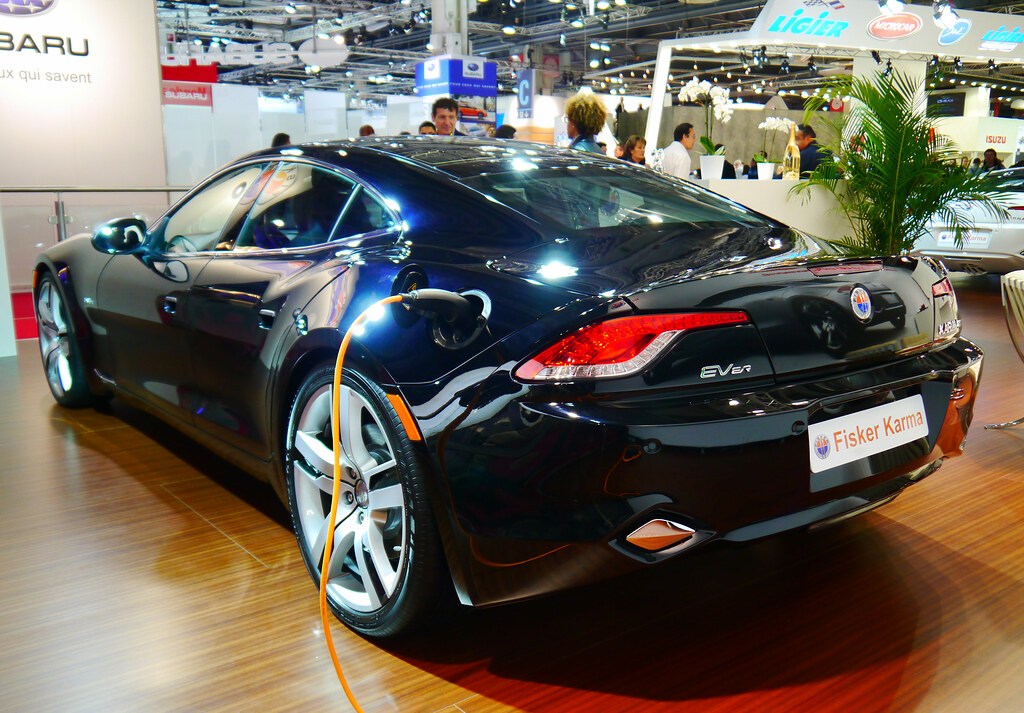
lithium-ion battery efficiency is a key focus in energy technology today. Researchers are exploring innovative methods to enhance the speed and effectiveness of these batteries using porous graphene networks.
Understanding Lithium-ion Batteries
Lithium-ion batteries have become the cornerstone of modern energy storage, powering everything from smartphones to electric vehicles. Understanding their efficiency is crucial for improving performance and sustainability. These batteries operate through the movement of lithium ions between the anode and cathode, a process that can be optimized to enhance overall efficiency.
Key factors influencing lithium-ion battery efficiency include:
- Material Quality: The choice of materials for electrodes and electrolytes can significantly affect performance.
- Temperature Control: Maintaining optimal operating temperatures helps prevent energy loss and prolongs battery life.
- Cycling Stability: The ability to withstand multiple charge and discharge cycles without degradation is essential for long-term efficiency.
- Innovative Technologies: Advances such as porous graphene networks are being researched to enhance ion transport and reduce resistance.
By focusing on these areas, researchers are making strides in improving lithium-ion battery efficiency, paving the way for more sustainable energy solutions.
The Role of Graphene in Energy Storage
The advancement of lithium-ion battery efficiency has seen significant contributions from the incorporation of graphene. This revolutionary material, known for its remarkable electrical conductivity and mechanical strength, plays a crucial role in enhancing energy storage capabilities.
Graphene’s unique structure allows for the creation of porous networks that facilitate faster ion transport, which is essential for improving charge and discharge rates. This results in:
- Increased Energy Density: Graphene-enhanced batteries can store more energy in the same amount of space.
- Faster Charging: The porous nature of graphene allows ions to move swiftly, reducing charging times significantly.
- Longer Lifespan: The durability of graphene can help extend the overall lifespan of lithium-ion batteries.
As researchers continue to explore the potential of graphene in energy storage, the prospects for lithium-ion battery efficiency are becoming increasingly promising, paving the way for more sustainable and effective energy solutions.
Recent Advances in Battery Technology
Recent advancements in battery technology have significantly improved lithium-ion battery efficiency, paving the way for faster charging and longer-lasting power sources. Researchers have been exploring innovative materials and designs to enhance the performance of these batteries.
One notable approach involves the use of porous graphene networks, which have shown promise in addressing key limitations of traditional lithium-ion batteries. These networks allow for increased ion mobility, leading to:
- Faster charge times: Batteries can reach full capacity more quickly, making them more convenient for consumer use.
- Higher energy density: The enhanced structure can store more energy in the same amount of space, improving overall efficiency.
- Longer lifespan: The stability provided by graphene reduces wear and tear, allowing for more charge cycles before degradation.
As these technologies continue to develop, the potential for revolutionary improvements in lithium-ion battery efficiency becomes increasingly tangible.
How Porous Graphene Enhances Performance
Recent research highlights the significant role of porous graphene in enhancing the performance of lithium-ion batteries. This innovative material, characterized by its high surface area and excellent conductivity, offers a promising solution to improve battery efficiency.
Porous graphene networks facilitate faster ion transport, which is crucial for charging and discharging processes. By reducing the internal resistance, these networks allow for quicker energy transfer, ultimately leading to shorter charging times and longer battery life.
Moreover, the structural properties of porous graphene contribute to increased energy density. This means that batteries can store more energy without increasing their size, making them more efficient for various applications, from electric vehicles to portable devices.
In addition to performance improvements, porous graphene also enhances the thermal stability of lithium-ion batteries. This stability reduces the risk of overheating, which is a major concern in battery safety.
Overall, the integration of porous graphene is a groundbreaking technique that promises to revolutionize lithium-ion battery efficiency.
Challenges in Lithium-ion Battery Development
The development of lithium-ion batteries faces several challenges that can hinder their efficiency and overall performance. One major issue is the degradation of battery materials over time, which can significantly reduce the lifespan and efficiency of the batteries.
Additionally, the manufacturing processes for these batteries often involve complex steps that can lead to inconsistencies in quality and performance. Another challenge is the reliance on rare materials, which can complicate supply chains and increase production costs.
Moreover, thermal management remains a critical concern, as overheating can lead to reduced efficiency and safety risks. Researchers are continually exploring innovative solutions to address these challenges.
To enhance lithium-ion battery efficiency, a multi-faceted approach is essential. This may include the development of advanced materials, such as graphene, which can improve conductivity and energy storage capabilities. Ongoing studies aim to optimize the design and composition of lithium-ion batteries to achieve better performance and sustainability.
- Material degradation
- Manufacturing complexities
- Thermal management issues
Future Trends in Battery Efficiency
As the demand for energy storage continues to rise, future trends in lithium-ion battery efficiency are becoming increasingly important. Researchers are exploring innovative materials and technologies to enhance performance and longevity. One such trend is the use of solid-state batteries, which promise to improve safety and energy density while potentially addressing some of the limitations of traditional lithium-ion batteries.
Another area of focus is the integration of artificial intelligence in battery management systems. By utilizing machine learning algorithms, manufacturers can optimize charging cycles and predict battery lifespan, leading to more efficient energy use. Additionally, advancements in recycling technologies are set to play a critical role in improving overall sustainability and efficiency in lithium-ion battery production.
Furthermore, the emergence of new electrode materials, such as silicon composites, may greatly enhance capacity and efficiency, allowing for faster charging and longer-lasting batteries. These innovations are crucial as industries seek to meet the growing energy demands of the future.
Conclusion: The Path Forward for Energy Solutions
As we look towards the future of energy solutions, enhancing lithium-ion battery efficiency remains a critical focus for researchers and manufacturers alike. The advancements in materials, such as the integration of porous graphene, have shown promising results in improving performance and energy storage capabilities.
To ensure sustainable energy solutions, several strategies can be implemented:
- Investing in Research: Continued investment in research is essential for discovering new materials and methods that can significantly improve battery efficiency.
- Collaborative Efforts: Partnerships between academia, industry, and government can accelerate the development and commercialization of innovative battery technologies.
- Consumer Awareness: Educating consumers on the benefits of advanced lithium-ion batteries can drive demand and support further innovations.
Ultimately, by embracing these strategies, we can pave the way for a new era of energy solutions that not only enhance lithium-ion battery efficiency but also contribute to a more sustainable and efficient energy landscape.
By Mic V. via Openverse


More Stories
AI Security Service: The Smart Way to Protect Your Data
Kali Linux 2026.3: The Best Security Tools and Custom Builds
Flexible robot arms: Smart technology learns to predict moves