
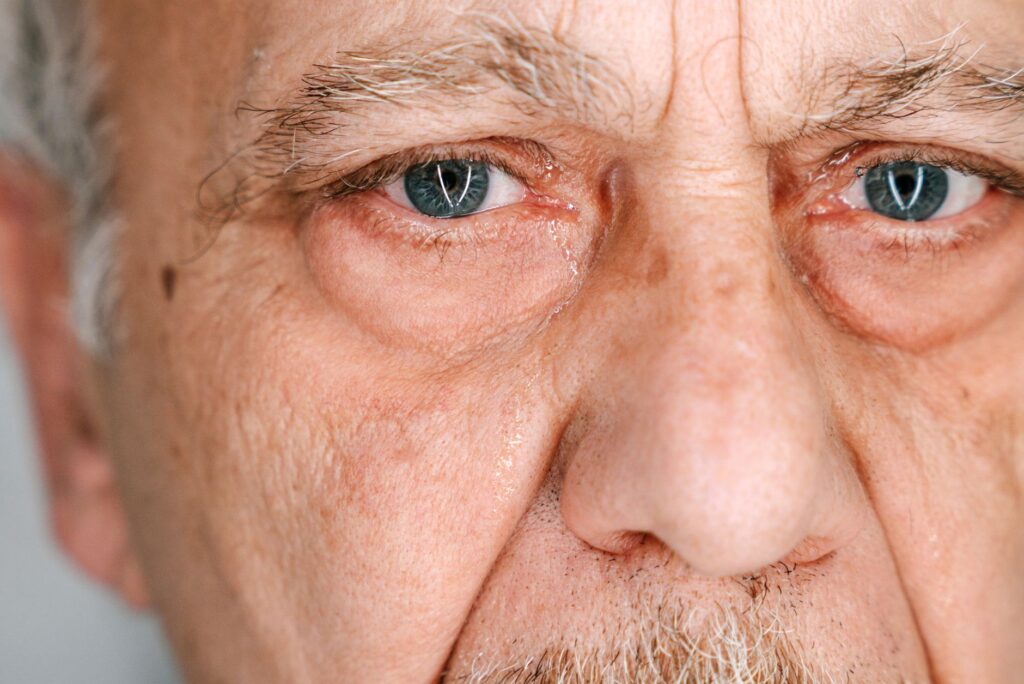
Myasthenia Gravis Sarcoidosis is an intriguing topic explored in this case report. The relationship between these two conditions has significant clinical implications.
Understanding Myasthenia Gravis
Myasthenia Gravis (MG) is a chronic autoimmune disorder characterized by weakness and rapid fatigue of voluntary muscles. This condition occurs when the immune system mistakenly attacks the communication between nerves and muscles, leading to muscle weakness. The symptoms of MG can vary greatly from person to person and often include drooping eyelids, difficulty swallowing, and generalized muscle weakness.
While the precise cause of Myasthenia Gravis remains unclear, several factors may contribute to its onset, including genetic predisposition and environmental triggers. MG is often associated with thymus gland abnormalities, which can lead to an overactive immune response.
Interestingly, there has been emerging research regarding the association between Myasthenia Gravis and sarcoidosis, a condition characterized by the formation of granulomas in various organs. This connection can complicate diagnosis and treatment, as both conditions can influence muscle function and overall health.
Healthcare providers must be vigilant in recognizing the signs of both conditions, particularly in patients presenting with unexplained muscle weakness. Early intervention is crucial, as it can significantly improve patient outcomes. Understanding the complex interplay between Myasthenia Gravis and sarcoidosis is essential for effective management and treatment of affected individuals.
Exploring Sarcoidosis
Sarcoidosis is an inflammatory disease characterized by the formation of small clusters of inflammatory cells, known as granulomas, in various organs. While the exact cause of sarcoidosis remains unknown, it can affect multiple systems in the body, leading to a range of symptoms that can significantly impact a patient’s quality of life.
Recent studies have highlighted the potential connections between Myasthenia Gravis and sarcoidosis, revealing that individuals with one condition may be at a higher risk of developing the other. This correlation raises important questions about the underlying mechanisms that link the two diseases.
Some of the most common symptoms of sarcoidosis include:
- Fatigue
- Shortness of breath
- Pain in the joints
- Skin rashes
- Vision problems
Diagnosis typically involves imaging tests, blood tests, and sometimes a biopsy to confirm the presence of granulomas. Treatment options can vary based on the severity and location of the disease, often involving corticosteroids or other immunosuppressive medications.
Understanding the relationship between Myasthenia Gravis and sarcoidosis is crucial, as it may provide insights into more effective treatment strategies for patients affected by both conditions.
Clinical Implications of the Association
The association between Myasthenia Gravis and Sarcoidosis raises significant clinical implications that warrant careful consideration by healthcare professionals. Patients diagnosed with either condition may experience overlapping symptoms, complicating the diagnostic process.
Healthcare providers should be vigilant in recognizing the potential for co-occurrence, as this can influence treatment approaches. The presence of sarcoidosis may exacerbate Myasthenia Gravis, leading to increased muscle weakness and fatigue. Understanding the relationship between these two autoimmune disorders is crucial for effective management.
Some key considerations include:
- Diagnostic Challenges: Distinguishing between symptoms caused by Myasthenia Gravis and those arising from Sarcoidosis can be difficult, particularly in patients with respiratory issues.
- Treatment Interactions: Immunosuppressive therapies aimed at controlling Sarcoidosis may inadvertently worsen Myasthenia Gravis symptoms, necessitating careful monitoring and adjustments.
- Prognostic Factors: The presence of one condition may influence the clinical course of the other, potentially leading to a more complex disease trajectory.
As research continues to explore the link between Myasthenia Gravis and Sarcoidosis, it is vital for clinicians to stay informed about new findings and integrate them into patient care strategies.
Patient Case Overview
In a recent case report, a 52-year-old female patient presented with symptoms that highlighted the complex relationship between Myasthenia Gravis and Sarcoidosis. The patient initially experienced persistent muscle weakness, fatigue, and double vision, which are hallmark symptoms of Myasthenia Gravis. After a thorough examination, the diagnosis was confirmed through electrodiagnostic studies and the presence of acetylcholine receptor antibodies.
As the clinical picture unfolded, the patient also exhibited respiratory symptoms, including cough and shortness of breath. A chest X-ray revealed hilar lymphadenopathy and pulmonary nodules, leading to a diagnosis of Sarcoidosis. The overlapping symptoms posed significant challenges in management, as treatment strategies for one condition could potentially exacerbate the other.
The interdisciplinary approach involved neurologists and pulmonologists who collaborated to develop a tailored treatment plan. The patient was started on corticosteroids, which are commonly used for Sarcoidosis, while cautiously monitoring the effects on her Myasthenia Gravis symptoms.
This case underscores the importance of recognizing the potential connections between Myasthenia Gravis and Sarcoidosis. Clinicians must remain vigilant in diagnosing and managing patients who present with symptoms indicative of both conditions, as timely intervention can significantly improve patient outcomes.
Research Methodology
The research methodology employed in studying the association between Myasthenia Gravis and Sarcoidosis involved a comprehensive approach aimed at understanding the potential links between these two conditions. This included a review of existing literature, case studies, and clinical reports to gather relevant data and insights.
Initially, researchers conducted a systematic review of peer-reviewed articles published in medical journals over the last two decades. This process involved:
- Identifying Key Studies: Researchers focused on studies that highlighted the co-occurrence of Myasthenia Gravis and Sarcoidosis, particularly those that documented clinical outcomes and patient experiences.
- Case Report Analysis: Specific case reports were analyzed to identify patterns and correlations. These reports provided valuable information on how patients present with both conditions.
- Data Extraction: Relevant clinical data, including patient demographics, symptomatology, treatment outcomes, and disease progression, were extracted and compiled for analysis.
Furthermore, a multidisciplinary team of neurologists, pulmonologists, and immunologists collaborated to ensure a holistic understanding of the implications of Myasthenia Gravis Sarcoidosis. By synthesizing findings from various specialties, researchers aimed to provide insights that could enhance clinical practice and patient care.
This thorough methodology underscores the complexity of the relationship between these two autoimmune diseases and emphasizes the need for further investigation.
Discussion and Findings
In light of the growing body of research, the connection between Myasthenia Gravis and Sarcoidosis has sparked considerable debate among medical professionals. The findings from the recent case report highlight significant associations that warrant further investigation. Patients presenting with both conditions often experience a unique set of challenges that complicate their treatment plans.
Several key observations emerged from the data:
- Incidence Rates: The occurrence of Myasthenia Gravis in patients with Sarcoidosis is notably higher compared to the general population.
- Symptom Overlap: Symptoms such as muscle weakness and fatigue can mask the underlying issues, leading to misdiagnosis.
- Treatment Considerations: Standard therapies for Myasthenia Gravis may be affected by the presence of Sarcoidosis, requiring careful management of corticosteroids and immunosuppressive agents.
- Long-term Outcomes: Patients with both conditions may face a greater risk for complications, necessitating a tailored approach to monitoring and care.
These findings underscore the importance of a multidisciplinary approach in managing patients with Myasthenia Gravis Sarcoidosis. Enhanced awareness and understanding of the interplay between these two conditions can lead to improved patient outcomes and more effective treatment strategies.
Conclusion and Future Directions
In conclusion, the relationship between Myasthenia Gravis and Sarcoidosis presents a complex intersection of autoimmune responses that requires further investigation. The case reports and clinical observations discussed reveal a significant potential for overlap in symptoms and treatment challenges, suggesting that healthcare providers should remain vigilant in recognizing these associations.
The implications for patient care are profound. Patients diagnosed with either condition may benefit from a comprehensive evaluation that considers the possibility of coexisting disorders. This multidisciplinary approach could lead to improved management strategies and better outcomes for those affected by Myasthenia Gravis Sarcoidosis.
Future research directions should focus on:
- Investigating the underlying mechanisms that link Myasthenia Gravis with Sarcoidosis.
- Conducting larger-scale studies to better understand the prevalence and implications of this association.
- Exploring targeted therapies that address both conditions simultaneously.
- Enhancing awareness among healthcare professionals regarding the potential overlap of symptoms.
As the medical community continues to explore these connections, greater understanding may lead to improved diagnostic criteria and treatment protocols, ultimately enhancing the quality of life for patients navigating the challenges of both Myasthenia Gravis and Sarcoidosis.
Recent studies have shown that Myasthenia Gravis Sarcoidosis can lead to significant complications in patients, making early diagnosis crucial. Understanding the relationship between Myasthenia Gravis Sarcoidosis and other autoimmune disorders is essential for effective treatment strategies.
Photo by Ivan S on Pexels
References
Related stories
Hero Xtreme 250R Carbon: Is It the Best Value Motorcycle? · UN Report on Youth Repression: India’s Honest Response · Ukraine news updates: Best Proven Insights Today




More Stories
Antipsychotic treatment changes: What are the proven risks?
Flu Vaccination Efficacy: Proven Ways to Increase Protection
Blood Pressure Control: Proven Steps to Save Lives