
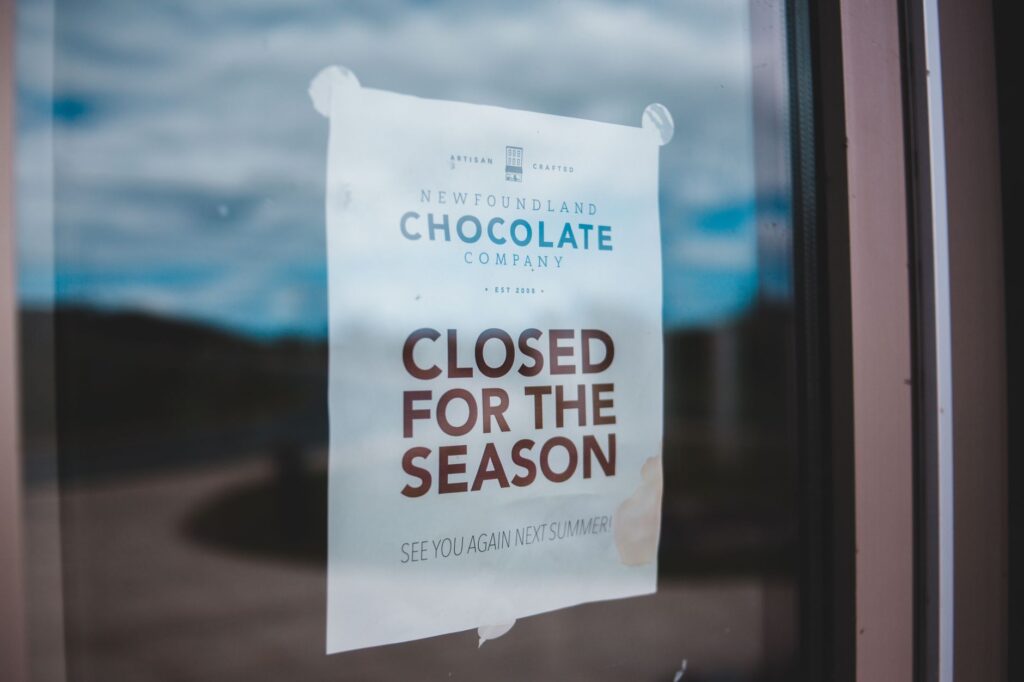
Nestlé Solon factory closure is set to take place by the end of 2027, marking a significant shift for employees and the local economy.
Impact of the Nestlé Solon factory closure
The impending closure of the Nestlé Solon factory has raised significant concerns regarding its impact on the local community and economy. As one of the largest employers in the area, the factory’s shutdown is expected to result in major job losses, affecting hundreds of workers and their families.
Residents of Solon have expressed their dismay over the announcement, fearing the loss of income and stability. Many workers have dedicated years of service to the company, and the prospect of unemployment poses a daunting challenge for them. Local officials are already seeking ways to mitigate the fallout from the Nestlé Solon factory closure.
In addition to job losses, the closure could have ripple effects on local businesses that rely on the factory’s workforce. These businesses include:
- Restaurants and cafes that provide meals for employees
- Retail stores that depend on increased foot traffic from factory workers
- Service providers, such as childcare and transportation services
Moreover, the economic downturn triggered by the factory’s closure may impact property values and tax revenues in the region. Community leaders are urging Nestlé to consider alternatives to closure, emphasizing the importance of corporate social responsibility in such decisions. As the timeline for the closure approaches, the community is left to grapple with the uncertain future ahead.
Reasons behind the decision
The decision to close the Nestlé Solon factory has raised concerns among employees and the local community as it signals significant changes within the company’s operational strategy. Several factors have contributed to the announcement, which has been attributed to both economic pressures and shifting market demands.
Firstly, Nestlé has cited increased production costs as a critical reason behind the factory closure. The rising prices of raw materials and energy have made it challenging for the facility to maintain profitability. As companies strive to optimize their operations, less efficient plants are often the first to face scrutiny.
In addition, there has been a notable shift in consumer preferences. With more individuals opting for healthier and sustainably sourced products, Nestlé is adapting its product lines to reflect these trends. Unfortunately, the Solon factory has not aligned well with the company’s evolving focus, leading to the decision to consolidate operations elsewhere.
Moreover, global supply chain disruptions have also played a role in the factory’s impending closure. These disruptions have forced many manufacturers to reconsider their production strategies, weighing the benefits of centralizing operations against the risks of localized production.
Overall, the closure of the Nestlé Solon factory is a multifaceted decision driven by economic realities, changing consumer behavior, and operational efficiencies.
Community response to the closure
The decision to close the Nestlé Solon factory has sparked a wave of concern and discontent within the local community. Residents and workers alike are grappling with the reality of significant job losses, as the factory has been a cornerstone of employment for many in the area. Local leaders have expressed their disappointment, emphasizing the impact such closures have on family livelihoods.
In response to the announcement, several community meetings have been organized to address the concerns of affected workers and their families. During these gatherings, residents have voiced their fears about the future and the potential ripple effects on local businesses. Many small enterprises that rely on the factory’s workforce for their patronage are also worried about their sustainability after the closure.
Community organizations have begun to mobilize resources to support those who will lose their jobs. Job fairs, resume workshops, and financial assistance programs are being discussed as ways to help ease the transition for displaced workers. Additionally, local government officials are urging Nestlé to consider alternatives that could mitigate the impact of the closure.
As the deadline for the Nestlé Solon factory closure approaches, the community remains hopeful for a resolution that prioritizes the well-being of its residents. Many are calling for transparency and dialogue with the company to explore potential avenues for job retention.
Future of manufacturing in Solon
The future of manufacturing in Solon appears uncertain following the announcement of the Nestlé Solon factory closure. As one of the area’s significant employers, Nestlé’s decision to shut down operations by the end of 2027 is likely to have far-reaching implications for the local economy and workforce.
Many residents are left questioning the potential for new manufacturing opportunities in the region. The factory, which has been a cornerstone of the community for years, provided not just jobs but also stability for numerous families. With the factory’s impending closure, experts warn that attracting new businesses to the area may prove challenging.
Local officials are seeking to mitigate the impact of the closure by exploring initiatives aimed at revitalizing the manufacturing sector. Some potential strategies include:
- Investment in workforce development: Providing training programs to help workers transition to new roles in different industries.
- Incentives for new companies: Offering tax breaks or subsidies to attract businesses to the region.
- Partnerships with educational institutions: Collaborating with local colleges to align training with market needs.
As the community grapples with the reality of job losses, the focus will need to shift towards creating a resilient economic landscape that can support future manufacturing endeavors.
The Nestlé Solon factory closure has raised concerns among local workers and community leaders about the future of employment in the region. Many are now seeking assistance and resources to cope with the impact of the Nestlé Solon factory closure on their livelihoods.
Photo by Erik Mclean on Pexels
More Stories
Volvo mining business: Smart move for 2027 expansion
Medical Equipment Manufacturing: Proven Benefits for Haldia
Levi Strauss Profit Guidance: Clear Insights After Tariff Refunds