
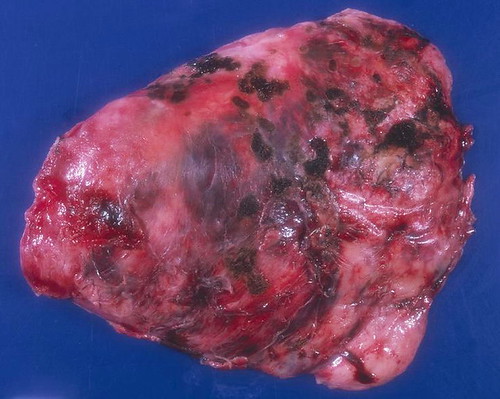
Solitary Fibrous Tumors are increasingly being recognized for their diverse clinicopathologic spectrum. This article explores risk stratification based on recent studies from tertiary care centers in India.
Understanding Solitary Fibrous Tumors
Solitary Fibrous Tumors (SFTs) are rare neoplasms that can arise in various tissues, primarily the pleura, but also in other locations such as the abdomen and soft tissues. These tumors are characterized by their fibrous stroma and can pose diagnostic challenges due to their diverse histological features.
Clinically, SFTs may present asymptomatically or with symptoms related to their location. In cases where they develop in the pleura, patients might experience respiratory symptoms, while abdominal tumors can lead to pain or obstruction. Due to their potential for malignancy, understanding the risk factors associated with SFTs is crucial for early detection and management.
Research indicates several risk factors that may contribute to the development of solitary fibrous tumors:
- Age: SFTs can occur at any age, but they are more commonly diagnosed in middle-aged adults.
- Gender: There seems to be a slight male predominance in the incidence of these tumors.
- Environmental Exposure: Some studies suggest that certain occupational exposures may increase the risk.
- Genetic Factors: In rare cases, genetic predispositions may play a role in tumor development.
Continued research is essential to uncover the full spectrum of risk factors associated with solitary fibrous tumors.
Recent Research from India
Recent research conducted in India has significantly advanced the understanding of solitary fibrous tumors and their associated risk factors. A comprehensive study published by multiple tertiary care centers analyzed a vast array of cases, shedding light on the clinicopathologic spectrum of these tumors.
The investigation revealed several key findings regarding the demographics and clinical presentation of patients diagnosed with solitary fibrous tumors. Among the notable aspects were:
- Age and Gender Distribution: The tumors were found to be more prevalent in middle-aged individuals, with a slight male predominance.
- Common Locations: A majority of solitary fibrous tumors were located in the pleura, followed by other sites such as the abdomen and soft tissues.
- Clinical Symptoms: Patients often presented with non-specific symptoms, including cough, chest pain, and weight loss, highlighting the challenges in early diagnosis.
- Histological Features: The study emphasized the importance of histological evaluation for accurate risk stratification, which is crucial for determining the appropriate management strategies.
Overall, this research underscores the necessity for heightened awareness and further studies on solitary fibrous tumors to improve patient outcomes and refine treatment protocols in the region.
Risk Stratification Techniques
Effective risk stratification techniques are essential for managing solitary fibrous tumors (SFTs), which can present varied clinical behaviors. Recent studies have highlighted several methods that enhance the understanding of these tumors and facilitate better patient outcomes.
- Histopathological Analysis: Detailed examination of tumor samples can reveal features such as cellularity, mitotic activity, and necrosis, which are critical in assessing the tumor’s aggressiveness.
- Molecular Profiling: Genetic testing for mutations and chromosomal abnormalities can provide insights into the tumor’s biology, helping to identify high-risk patients who may benefit from closer monitoring.
- Imaging Techniques: Advanced imaging methods, including MRI and CT, allow for better visualization of tumor size and local invasion, which are important for surgical planning and follow-up.
- Clinical Risk Scores: Integrating clinical data with histopathological findings into risk scoring systems can help predict outcomes and guide treatment strategies.
These risk stratification techniques are vital in the multidisciplinary approach to SFT management, ensuring that patients receive tailored treatment based on their individual tumor characteristics and associated risks.
Clinical Implications and Outcomes
The clinical implications of solitary fibrous tumors (SFTs) are significant, particularly in terms of diagnosis, treatment, and patient outcomes. Accurate identification of SFTs is crucial, as these tumors can exhibit a wide range of behaviors and may be mistaken for other neoplasms. Misdiagnosis can lead to inadequate treatment strategies, which might adversely affect patient prognosis.
Recent studies emphasize the importance of a multidisciplinary approach in managing SFTs. This includes collaboration among surgeons, oncologists, and pathologists to ensure optimal outcomes. Surgical resection remains the primary treatment modality, and complete excision is often associated with favorable prognoses. However, the risk of recurrence is a critical consideration, particularly in patients with larger tumors or those located in challenging anatomical sites.
Moreover, ongoing research in risk stratification techniques is enhancing our understanding of SFTs. Identifying specific risk factors can aid in predicting patient outcomes and tailoring follow-up protocols. Clinicians are encouraged to consider factors such as tumor size, histological features, and patient demographics when planning treatment.
In conclusion, the management of solitary fibrous tumors requires careful evaluation of clinical implications and outcomes to improve patient care and enhance survival rates.
Case Studies and Findings
Recent case studies and findings shed light on the complexities surrounding solitary fibrous tumors (SFTs). A thorough examination of patient data from various tertiary care centers in India revealed essential insights into the clinicopathologic spectrum of these tumors. The studies indicate that SFTs are often asymptomatic, leading to delayed diagnosis. The tumors primarily occur in the pleura but can also manifest in other locations, including the abdomen and soft tissues.
In one notable case, a 52-year-old male presented with abdominal pain, eventually diagnosed with an SFT located in the mesentery. Histopathological analysis confirmed the diagnosis, emphasizing the importance of recognizing atypical presentations. Furthermore, the research indicated that certain demographic factors, such as age and gender, may influence the tumor’s behavior and prognosis.
Key findings from the case studies highlighted the following risk factors:
- Age: Older patients tend to have a more aggressive disease course.
- Size of Tumor: Larger tumors are associated with a higher risk of recurrence.
- Location: Tumors in the pleura have different implications compared to those found in soft tissues.
These insights are vital for enhancing risk stratification techniques and guiding clinical decisions in managing solitary fibrous tumors.
Future Directions in Tumor Research
Future research into Solitary Fibrous Tumors is essential for enhancing our understanding of their biology and improving patient outcomes. As scientists delve deeper into the genetic and molecular profiles of these tumors, several promising directions are emerging.
- Genomic Studies: Ongoing genomic studies are expected to unveil specific mutations and alterations associated with solitary fibrous tumors. Identifying these genetic markers could lead to targeted therapies and personalized treatment plans.
- Biomarkers: The search for reliable biomarkers is crucial for early diagnosis and effective monitoring of treatment responses. Novel biomarkers could significantly enhance risk stratification, enabling clinicians to tailor interventions more precisely.
- Immunotherapy: Research into immunotherapeutic approaches is gaining momentum. Understanding the tumor microenvironment may unlock new strategies to harness the immune system against solitary fibrous tumors.
- Patient Registries: Establishing comprehensive patient registries can facilitate long-term studies, allowing for the accumulation of data on treatment outcomes and survival rates across diverse populations.
These future directions in tumor research hold the potential to transform the clinical management of solitary fibrous tumors, ultimately leading to improved patient care and outcomes.
By Pulmonary Pathology via Openverse
Read the original
Cureus · Solitary fibrous tumor
Related reading
Delhi Pollution Plan: The Worst Measures for Air Quality · Artificial Intelligence tool: Proven method for drug discovery · Australia gold miner takeover bid rejected: A clear setback


More Stories
Digital orthodontic care: Is it the best solution for India?