
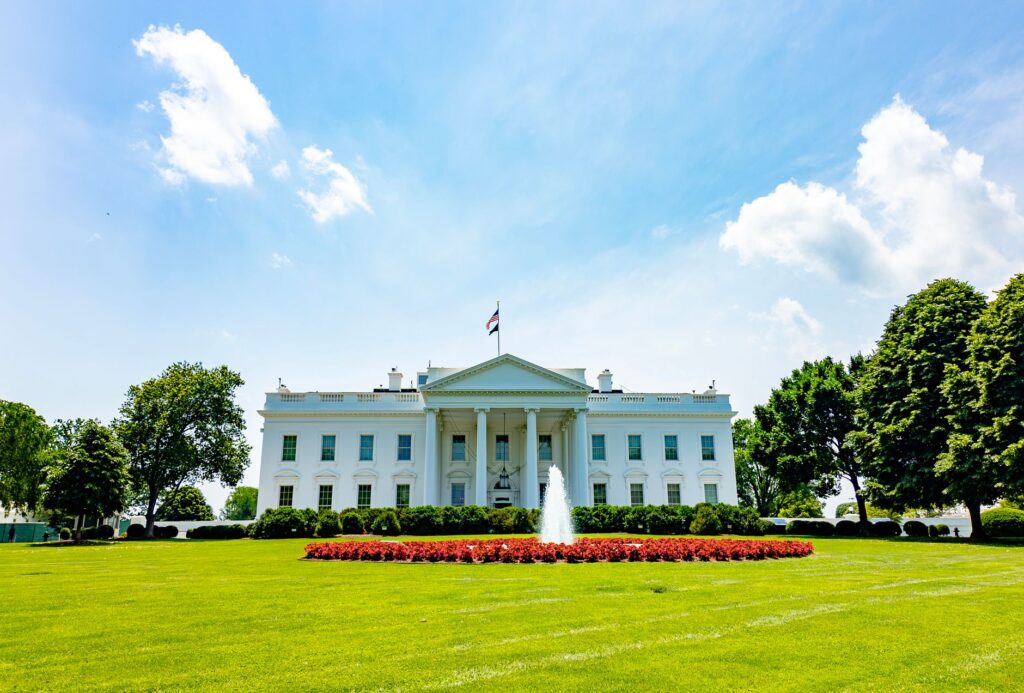
The Trump White House ban has been blocked by a judge, who stated that it likely violates First Amendment protections. This decision is pivotal for media outlets like CNN and Politico.
Judge’s Decision Explained
A federal judge recently issued a ruling that blocks the Trump White House ban aimed at several media organizations, including CNN, MS NOW, and Politico. The judge determined that this ban likely violated the First Amendment rights of these news outlets. In the decision, the judge emphasized the importance of media freedom in a democratic society.
Key points from the ruling include:
- The ban was deemed an unconstitutional attempt to limit press access based on content.
- The judge highlighted that the First Amendment protects the rights of the press to gather and report information without government interference.
- This ruling serves as a critical reminder of the role of the judiciary in safeguarding media freedoms against political overreach.
As discussions continue regarding the implications of the Trump White House ban, this decision reinforces the importance of protecting journalistic integrity and the public’s right to information.
Impact on CNN and MSNBC
The recent ruling by a judge to block the Trump White House ban that targeted major news outlets like CNN and MSNBC has significant implications for media freedom and journalistic integrity. The court found that the ban likely violated the First Amendment, which is a crucial safeguard of free speech in the United States.
This decision not only protects these news organizations but also serves as a vital affirmation of the press’s role in holding those in power accountable. Critics argue that the Trump White House ban was an attempt to silence dissenting voices and manipulate media narratives.
As the legal battle continues, media organizations are breathing a sigh of relief, recognizing the importance of an independent press. The ruling underscores the notion that government officials cannot wield their power to restrict access to information, reinforcing the idea that a free press is essential for a healthy democracy.
Legal Implications of the Ruling
The recent ruling by a federal judge has significant legal implications regarding the Trump White House ban on certain media outlets. The decision highlights the ongoing tension between government authority and press freedom, reinforcing the protections granted under the First Amendment. Legal experts argue that the judge’s determination could set a precedent for how similar cases are handled in the future.
Key points concerning the legal ramifications include:
- First Amendment Rights: The ruling underscores the necessity of safeguarding journalistic integrity and the free exchange of information.
- Government Overreach: The judge’s decision suggests that attempts to limit media access can be viewed as an infringement on constitutional rights.
- Future Challenges: Media organizations may feel empowered to challenge government actions that threaten their operations, especially if similar bans arise.
As the debate continues, the implications of the Trump White House ban resonate beyond this case, influencing the relationship between the press and government in American democracy.
Reactions from Media Outlets
Reactions from media outlets regarding the recent ruling on the Trump White House ban have been swift and varied. Many organizations expressed relief, viewing the judge’s decision as a vital affirmation of press freedom. CNN, MSNBC, and Politico issued statements highlighting the importance of a free press in a democratic society.
In their response, CNN emphasized that the ruling protects the rights of journalists to ask tough questions without fear of retaliation. MSNBC echoed this sentiment, stating that the decision is a “victory for all reporters.” Meanwhile, Politico remarked that the ruling reinforces the notion that access to the White House should not be restricted based on political bias or disagreement.
However, not all responses were positive. Some conservative commentators criticized the ruling, arguing that it undermines the authority of the presidency. This ongoing debate reflects the contentious relationship between the Trump administration and the media, raising questions about the future of press freedom in America.
Public Opinion on Free Speech
The recent ruling against the Trump White House ban has sparked a significant debate regarding public opinion on free speech. Many citizens believe that the freedom of the press is a cornerstone of democratic society.
Surveys indicate that a majority of Americans support the idea that media outlets should operate without government interference. This sentiment is underscored by concerns that actions like the Trump White House ban could set a dangerous precedent for future administrations.
- Increased Awareness: Citizens are becoming more aware of the implications of restricting media access.
- Support for Journalistic Integrity: Many people stand behind journalists who strive to hold power accountable.
- Concerns Over Misinformation: There is a growing fear that limiting certain media sources could lead to a lack of diverse viewpoints.
As the public grapples with the implications of the ruling, it is clear that the conversation around media freedom and governmental influence remains critical.
Future of Trump’s Media Relations
The recent judge’s ruling has significant implications for the future of Trump’s media relations. With the Trump White House ban on outlets like CNN, MSNBC, and Politico deemed likely to violate the First Amendment, the landscape of political communication may shift dramatically.
Experts suggest that this ruling could foster a more open dialogue between the administration and the press. However, the broader question remains: will this decision encourage transparency and accountability, or will it lead to further conflicts?
As Trump navigates his media strategy, several key factors will shape his approach:
- Adapting to Legal Constraints: Trump’s team may need to reconsider their tactics to avoid future legal challenges.
- Engagement with Diverse Outlets: There may be an increased emphasis on engaging with a wider array of media platforms.
- Public Perception: The administration’s relationship with the media will inevitably influence public opinion on free speech.
Ultimately, the future of Trump’s media relations will likely hinge on balancing assertiveness with adherence to constitutional principles.
Analysis of First Amendment Rights
The recent ruling against the Trump White House ban has sparked a significant discussion about First Amendment rights in the context of media freedom. The judge’s decision highlighted the importance of protecting journalistic entities from government interference, emphasizing that such actions could lead to a chilling effect on free speech.
Central to this analysis are several key points:
- Government Accountability: The ruling reinforces the idea that public officials must remain accountable to the press, which serves as a watchdog over government actions.
- Free Speech Protection: The First Amendment guarantees freedom of speech and press, suggesting that any ban targeting specific media outlets, such as CNN and Politico, undermines these fundamental rights.
- Precedent Setting: This case may set a crucial precedent for future interactions between government and media, shaping how press freedoms are upheld.
As the implications of this ruling unfold, it remains clear that safeguarding First Amendment rights is vital for the preservation of a free and independent press.
Photo by Ramaz Bluashvili on Pexels



More Stories
Senate GOP spending pause: What’s the real impact?
Republicans Midterm Losses: What’s the Real Impact?
Lieutenant Governor Caldwell resignation: Sherrill’s Clear Call