
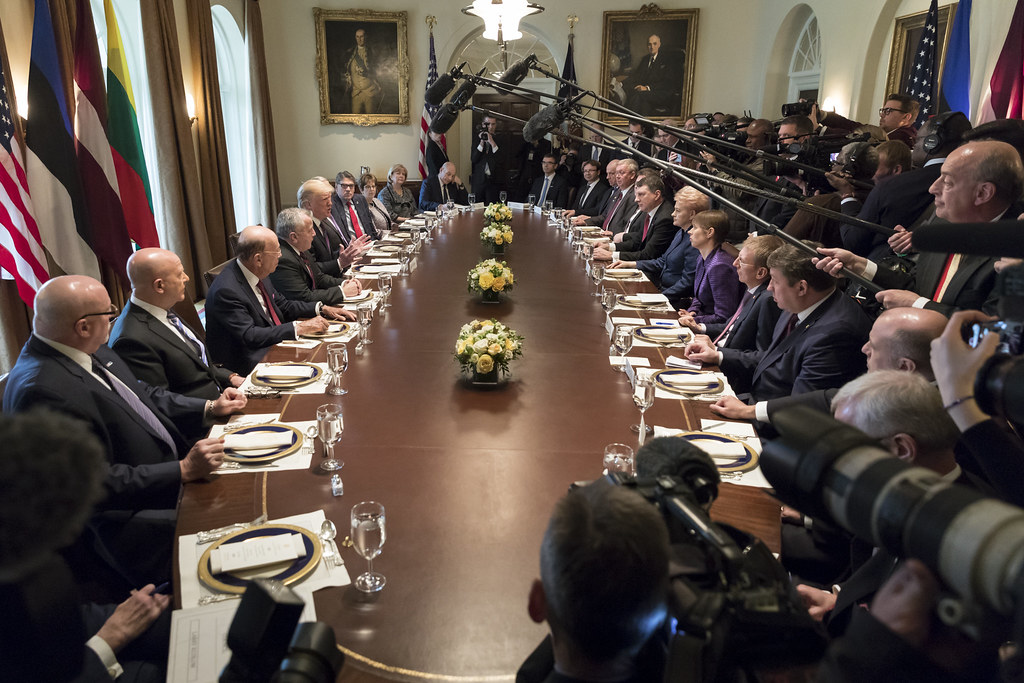
Trump White House governance is at the forefront of political discussions as plans emerge for operating without Congress should Democrats win.
Understanding the Trump White House governance plan
The Trump White House governance plan outlines a strategy for maintaining power in the face of potential Democratic control. This approach emphasizes several key elements:
- Executive Orders: Leveraging the power of executive orders to implement policies swiftly without congressional approval.
- Regulatory Changes: Utilizing regulatory agencies to enact changes that align with the administration’s priorities.
- Partnerships: Building coalitions with state governors and local leaders to enact policies at the state level.
- Public Engagement: Fostering direct communication with constituents to rally support and counteract opposition.
By focusing on these tactics, the Trump White House governance seeks to create a sustainable path to exert influence and maintain its legislative agenda, regardless of the political landscape.
Implications of governing without Congress
The implications of governing without Congress are significant for the Trump White House governance strategy. By relying on executive orders and unilateral actions, the administration can push its agenda forward, even in a divided government. This approach raises questions about the balance of power and the role of legislative bodies in shaping policy.
Key aspects include:
- Increased Executive Power: The Trump administration may expand its use of executive orders to circumvent legislative gridlock.
- Policy Continuity: Critical decisions could be made swiftly, allowing for a cohesive policy direction even without bipartisan support.
- Potential Backlash: Such a strategy could lead to legal challenges and public dissent, impacting long-term governance.
Ultimately, the Trump White House governance plan reflects a calculated move to maintain influence despite potential congressional opposition.
Key strategies outlined by the Trump administration
The Trump administration has outlined several key strategies aimed at solidifying its governance framework, particularly in the event of a potential Democratic victory. These strategies emphasize the importance of executive action and regulatory reforms. Among the notable tactics are:
- Leveraging executive orders: The administration plans to utilize executive orders to implement significant policies swiftly, bypassing Congressional approval.
- Strengthening regulatory authority: By enhancing the power of federal agencies, the Trump White House governance approach seeks to enact changes that align with its agenda.
- Building alliances with state governors: Collaborating with state-level leaders is seen as crucial for advancing initiatives at the local level.
These strategies reflect a determination to maintain influence and implement policies, regardless of Congressional support.
Reactions from Democratic leaders
Reactions from Democratic leaders to the Trump White House governance plan have been overwhelmingly critical. Many have expressed concern over what they perceive as an attempt to circumvent Congress and concentrate power in the executive branch.
Senator Elizabeth Warren stated, “This kind of governance undermines our democracy and sets a dangerous precedent.”
Similarly, Representative Alexandria Ocasio-Cortez remarked, “The Trump administration’s strategies reflect a blatant disregard for checks and balances.”
Democratic leaders are uniting to challenge these tactics, emphasizing the importance of collaborative governance. House Speaker Nancy Pelosi called for a renewed commitment to democratic principles, stating, “We must ensure that the voices of the people are heard, not silenced.”
As the political landscape evolves, the implications of the Trump White House governance plan continue to spark vigorous debate among lawmakers.
Potential consequences for American politics
The governance strategy outlined by the Trump White House could lead to significant shifts in American politics, particularly if implemented without Congressional collaboration. As the administration seeks to consolidate power, potential consequences may include:
- Increased executive authority: A focus on unilateral actions may diminish the role of Congress in governance.
- Polarization of political discourse: The reliance on executive orders could exacerbate divisions between parties.
- Legal challenges: Actions taken without legislative approval may face numerous court battles.
- Impact on future administrations: Establishing precedents for governance outside traditional channels may alter the balance of power long-term.
Ultimately, the Trump White House governance approach is poised to reshape the political landscape, raising questions about the future of bipartisan cooperation.
By The White House via Openverse
Read the original
You might also like
Republicans in Texas: The Worst Defense Strategy Revealed · Mega Rally Against CEC: INDIA Bloc’s Bold Move in Delhi · Charges Against CEC Gyanesh Kumar: Clear Evidence of Wrongdoing
More Stories
Republicans in Texas: The Worst Defense Strategy Revealed
Mega Rally Against CEC: INDIA Bloc’s Bold Move in Delhi
Charges Against CEC Gyanesh Kumar: Clear Evidence of Wrongdoing