
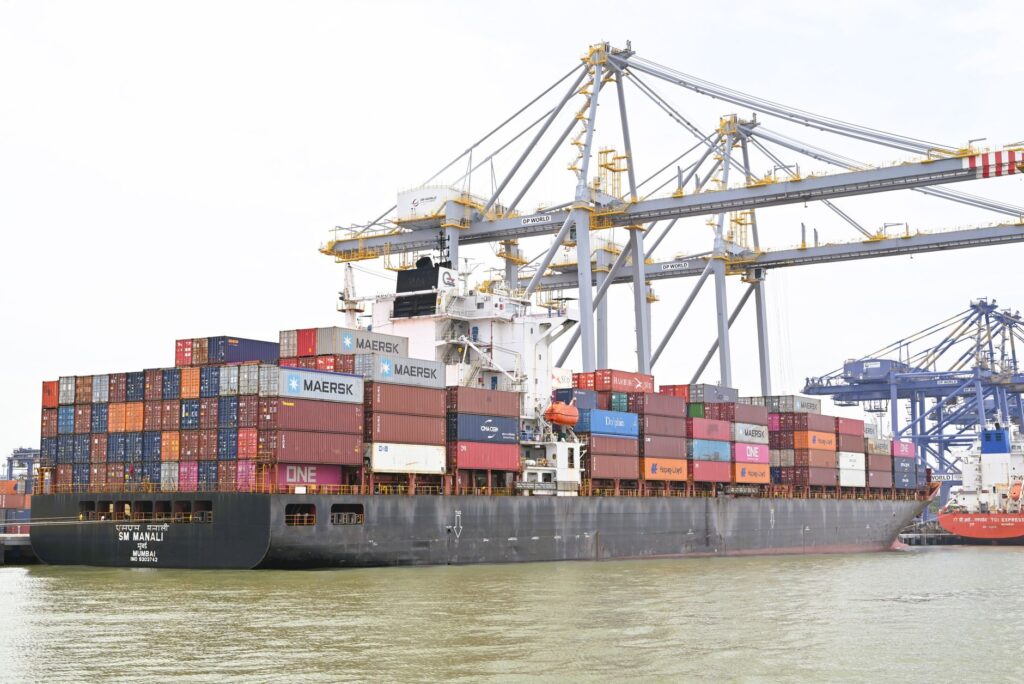
India export targets are ambitious as the country aims for $1 trillion in exports this year. This goal reflects India’s growing confidence in its trade capabilities.
Overview of India’s Export Goals
India has set ambitious export targets, aiming for a remarkable $1 trillion in exports for the current fiscal year. This goal, articulated by Commerce and Industry Minister Piyush Goyal, reflects the government’s commitment to enhancing the country’s global trade presence.
To achieve this milestone, the government is focusing on various sectors, including:
- Manufacturing: Strengthening production capabilities and boosting value-added goods.
- Agriculture: Expanding the export of agricultural products to tap into global markets.
- Services: Leveraging India’s IT and service sectors for increased export potential.
The emphasis on these sectors is expected to not only meet the export targets but also create jobs and stimulate economic growth. However, the journey to achieving the $1 trillion mark is fraught with challenges, including global economic conditions and trade policies.
Impact of Export Targets on Economy
The ambitious India export targets have significant implications for the country’s economy. Achieving the $1 trillion export mark is not just a numerical goal; it represents a broader strategy to enhance economic growth and create jobs.
Experts believe that reaching these targets could lead to:
- Increased Foreign Exchange Reserves: A surge in exports would strengthen India’s currency and stabilize its economy.
- Job Creation: Expanding export sectors such as textiles, pharmaceuticals, and technology could generate millions of new jobs.
- Sectoral Growth: The focus on exports may encourage innovation and investment in various industries, boosting overall productivity.
However, meeting these targets requires robust infrastructure, trade agreements, and a skilled workforce. The government’s commitment to supporting these initiatives will be crucial in determining their success.
Challenges Facing Indian Exports
India’s ambitious export targets face several challenges that could hinder progress. One of the primary issues is the fluctuating global demand, which can significantly impact export volumes. Additionally, logistical hurdles, such as inadequate infrastructure and supply chain disruptions, complicate the export process.
Moreover, competition from other nations with lower production costs presents a daunting obstacle for Indian exporters. Regulatory challenges and compliance with international standards often lead to delays and increased costs, further complicating the achievement of the $1 trillion export target.
Furthermore, the ongoing geopolitical tensions can affect trade relations, making it difficult for India to secure favorable agreements. Addressing these challenges is crucial for meeting the ambitious export targets, as they are vital for driving economic growth and enhancing India’s position in the global market.
Government Initiatives to Boost Exports
The Indian government has launched several initiatives aimed at achieving the ambitious $1 trillion export targets. These measures are designed to enhance the competitiveness of Indian products in the global market.
Key initiatives include:
- Production-Linked Incentive (PLI) Scheme: This program encourages manufacturing across various sectors by offering financial incentives to boost domestic production.
- Special Economic Zones (SEZs): The government is promoting SEZs to attract foreign investment and facilitate smoother export processes.
- Trade Agreements: India is actively negotiating trade agreements with various countries to reduce tariffs and enhance market access for Indian exporters.
- Digital Platforms: The introduction of online portals is simplifying the export process, making it easier for businesses to reach international markets.
These efforts reflect India’s commitment to not only meeting but exceeding its export targets, thereby driving economic growth and creating job opportunities.
Comparison with Previous Years’ Targets
In recent years, India has set ambitious export targets, showcasing a significant evolution in its trade strategy. The current target of $1 trillion for the year stands in stark contrast to previous years, where the focus was primarily on achieving incremental growth.
For instance, in 2020, India aimed for a modest $300 billion, which was later adjusted to $350 billion due to the pandemic’s impact. The following year saw a recovery, with a target of $400 billion, indicating a steady upward trajectory.
This year’s focus on hitting the $1 trillion mark reflects a bold shift, driven by the government’s efforts to enhance manufacturing capabilities and diversify export markets. It represents not only a quantitative leap but also a qualitative change in India’s approach to international trade.
As stakeholders assess the feasibility of these targets, the question remains: is the $1 trillion export target worth the effort?
Expert Opinions on Export Strategies
Experts in the field of international trade have weighed in on India’s ambitious export targets, particularly the goal of reaching $1 trillion worth of exports in the current year. Many analysts believe that achieving this target is not only feasible but essential for sustaining economic growth.
- Dr. Anjali Sharma, an economist, emphasizes the need for improved logistics and infrastructure to facilitate smoother trade operations.
- Rajeev Mehta, a trade analyst, points out the importance of diversifying export markets to reduce dependency on a few countries.
- Priya Desai, a policy advisor, advocates for enhancing technology in manufacturing processes to boost competitiveness.
While the goal of $1 trillion in exports is ambitious, experts agree that with strategic planning and execution, India can not only meet its export targets but also strengthen its position in the global market.
Future Prospects for Indian Trade
As India sets its sights on achieving ambitious export targets, the future prospects for Indian trade appear promising yet challenging. With a target of $1 trillion in exports, the government aims to bolster various sectors, including textiles, pharmaceuticals, and technology. However, meeting these goals requires a multifaceted approach.
Key factors influencing the future of Indian exports include:
- Innovation: Emphasizing research and development to enhance product quality and competitiveness.
- Market Diversification: Exploring new markets beyond traditional trading partners.
- Infrastructure Development: Improving logistics and supply chain management to facilitate smoother export processes.
- Trade Agreements: Formulating strategic trade agreements that can open up more opportunities for Indian goods.
In summary, while the $1 trillion export target is a significant endeavor, the path forward will require concerted efforts from both the government and the private sector.
The ambitious India export targets have sparked a debate about the feasibility of achieving such a monumental goal. Analysts are questioning whether the current strategies align with the India export targets set for the coming years.
Photo by Ankittt Bhattacharjee on Pexels



More Stories
H-1B visa remarks: Wrong claims addressed with clear facts
Computing Power Pledge: Tech Firms Commit $2.4B for Mission
Cattle deaths Rajasthan: Worst drought relief delays exposed