
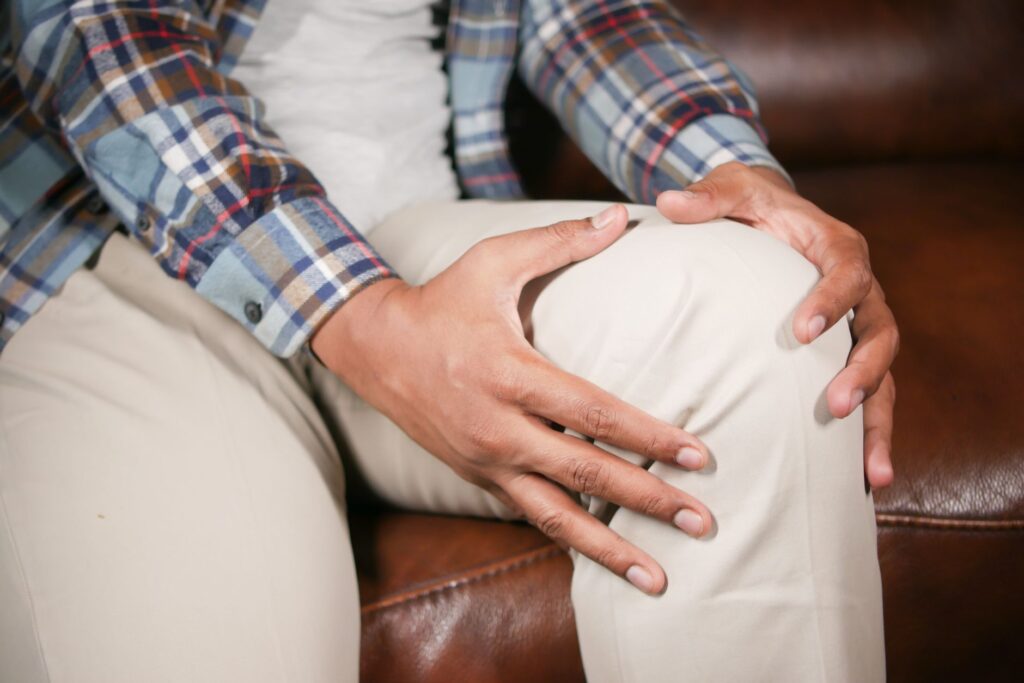
Knee pain causes can vary widely, and many people experience discomfort by the end of the day. Understanding these reasons is essential for effective management and relief.
Understanding Knee Pain
Knee pain is a common issue that affects many individuals, especially those who lead active lifestyles or are aging. Understanding knee pain causes is essential for effective management and relief. Several factors contribute to this discomfort, and recognizing them can help you take preventive measures.
Some of the most prevalent causes of knee pain include:
- Overuse: Repetitive activities can strain the knee joint, leading to pain.
- Arthritis: Conditions like osteoarthritis or rheumatoid arthritis can cause inflammation and pain.
- Injuries: Sprains, fractures, or tears can result from accidents or sports.
- Obesity: Excess weight puts additional pressure on the knees.
- Poor posture: Incorrect alignment can lead to discomfort throughout the day.
Identifying these causes is the first step towards finding relief from knee pain.
Common Causes of Knee Discomfort
Knee pain can stem from various factors that affect the joint’s function and health. Understanding these common causes of knee discomfort can help in addressing the issue effectively. Here are some prevalent reasons why your knees may hurt:
- Overuse: Engaging in repetitive activities can lead to strain on the knee joint, causing pain.
- Arthritis: Conditions like osteoarthritis or rheumatoid arthritis can result in inflammation and discomfort.
- Injuries: Sprains, tears, and fractures can severely affect knee stability and lead to pain.
- Obesity: Excess weight increases stress on the knees, contributing to discomfort.
- Lifestyle habits: Poor posture and lack of exercise can exacerbate knee pain causes.
Recognizing these factors is crucial for finding effective relief and treatment options.
The Role of Arthritis in Knee Pain
Knee pain causes can often be linked to a condition known as arthritis, which affects millions of people worldwide. Arthritis is an inflammation of the joints that can lead to pain, stiffness, and swelling. There are several types of arthritis that can impact the knees:
- Osteoarthritis: This is the most common form, resulting from wear and tear on the knee joint over time.
- Rheumatoid arthritis: An autoimmune disorder that leads to chronic inflammation and can affect both knees simultaneously.
- Post-traumatic arthritis: This can develop after an injury to the knee, such as a fracture or ligament tear.
Understanding the role of arthritis in knee pain is essential for effective management and treatment options. If you experience persistent discomfort, consult a healthcare professional for an accurate diagnosis.
Lifestyle Habits That Affect Your Knees
Lifestyle habits play a significant role in the development of knee pain. Understanding these habits can help mitigate discomfort and improve overall joint health. Here are some common lifestyle factors that might contribute to knee pain:
- Excessive Weight: Carrying extra pounds puts added stress on your knees, increasing the risk of pain.
- Poor Posture: Incorrect alignment while sitting or standing can lead to strain on the knee joints.
- Inadequate Exercise: A sedentary lifestyle weakens the muscles that support the knees, leading to instability.
- High-Impact Activities: Engaging in sports or exercises that involve jumping can exacerbate knee issues.
- Improper Footwear: Wearing unsupportive shoes can alter your gait and put pressure on your knees.
Addressing these habits may help alleviate knee pain causes and improve your quality of life.
When to Seek Medical Advice
Experiencing persistent knee pain can be concerning, especially when it affects your daily activities. It is important to recognize when to seek medical advice regarding knee pain causes. If your discomfort lasts for more than a few days or worsens over time, it may be time to consult a healthcare professional.
Additionally, you should seek help if you notice any of the following symptoms:
- Swelling or stiffness that does not improve with rest
- Inability to fully extend or flex the knee
- Pain that interferes with daily tasks
- Visible deformities or misalignment in the knee joint
- Fever or redness around the joint
Ignoring these signs may lead to further complications, making timely intervention crucial.
Effective Home Remedies for Knee Pain
For those experiencing discomfort, understanding the knee pain causes is essential, but so is finding relief. Here are some effective home remedies to alleviate knee pain:
- Ice Therapy: Apply ice packs to the affected area for 15-20 minutes to reduce swelling and numb the pain.
- Compression: Use a knee brace or wrap to provide support and decrease swelling.
- Elevation: Keep your knee elevated above heart level to minimize swelling.
- Gentle Exercise: Engage in low-impact activities like swimming or cycling to strengthen the muscles around the knee.
- Turmeric and Ginger: Incorporate these anti-inflammatory spices into your diet to help reduce pain and inflammation.
Always consult with a healthcare professional before trying new treatments.
Preventing Knee Pain in Daily Activities
Preventing knee pain in daily activities is essential for maintaining mobility and overall well-being. Simple adjustments can significantly reduce strain on your knees. Here are some effective strategies to consider:
- Use Proper Footwear: Choosing supportive shoes can help align your body and reduce pressure on your knees.
- Maintain a Healthy Weight: Reducing excess weight can alleviate stress on knee joints, helping to prevent discomfort.
- Incorporate Low-Impact Exercises: Activities like swimming or cycling minimize impact while strengthening the muscles around the knee.
- Practice Good Posture: Ensure your body is aligned correctly during daily tasks to avoid unnecessary strain.
- Take Breaks: Regular breaks during repetitive activities can help avoid overuse, a common cause of knee pain.
By adopting these habits, you can significantly reduce your risk of developing knee pain.
Understanding the various knee pain causes is essential for effective treatment and prevention. By identifying the specific knee pain causes affecting you, you can take proactive steps towards recovery.
Photo by Towfiqu barbhuiya on Pexels
Read the original
India Pakistan UN Terrorism: A Clear and Honest Response · Nana Patekar death: The Worst Loss for Bollywood Community · Levi Strauss Profit Guidance: Clear Insights After Tariff Refunds




More Stories