
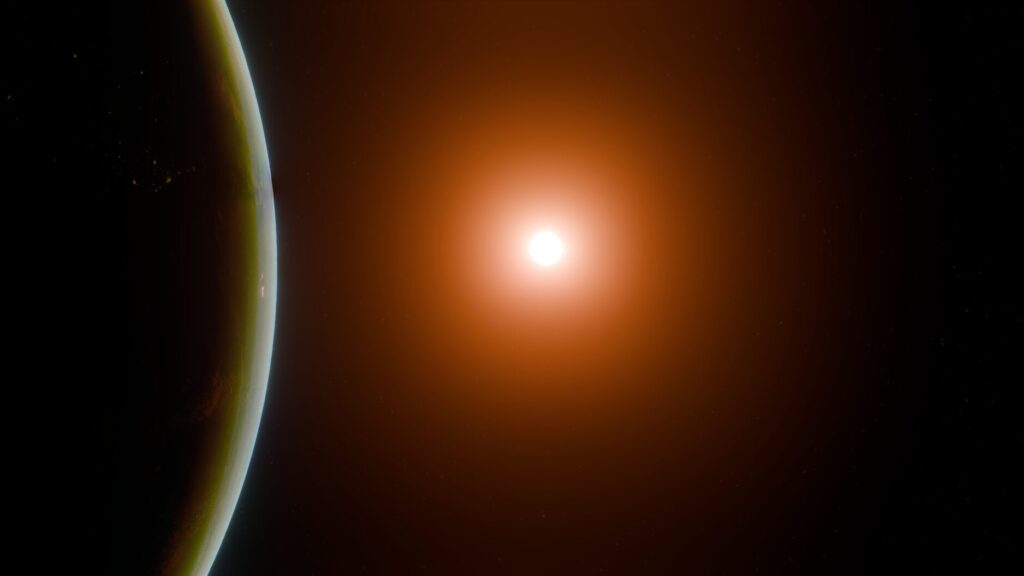
Superflare from the Sun is a topic of great interest as new research suggests it could occur. Scientists are exploring the potential impact of such an event on our planet.
What is a Superflare?
A superflare is an intense burst of radiation and energy emitted by the Sun, significantly stronger than typical solar flares. These events can release up to a thousand times more energy than the largest solar flares, posing potential risks to Earth and its technological systems.
Recent studies have shown that the Sun is physically capable of producing a superflare, which raises concerns about the implications for our planet. Scientists believe that these massive eruptions can occur due to the dynamics of solar magnetic fields, particularly during periods of heightened solar activity.
The characteristics of a superflare include:
- Radiation Levels: Superflares can emit harmful levels of radiation that can affect satellites and astronauts in space.
- Geomagnetic Storms: The energy released can trigger significant geomagnetic storms, which may disrupt electrical grids and communication systems on Earth.
- Frequency: While superflares are rare, they can occur on average once every few hundred years.
Understanding superflare events is crucial for preparing and mitigating their potential impacts on modern technology and infrastructure.
How Does a Superflare Occur?
A superflare from the Sun is a massive burst of energy that can occur when the sun’s magnetic fields become unstable. These powerful eruptions are linked to sunspots and can release tremendous amounts of radiation. Understanding the process behind a superflare is crucial for assessing its potential impact on Earth.
The occurrence of a superflare typically involves several key factors:
- Magnetic Field Reconnection: This process happens when opposing magnetic field lines come together, releasing energy in the form of radiation.
- Sunspot Activity: Superflares are often associated with regions of intense magnetic activity, known as sunspots, where magnetic fields are particularly strong.
- Energy Accumulation: Over time, energy builds up in the sun’s magnetic field. When this energy exceeds a certain threshold, it can lead to a superflare.
While the occurrence of a superflare from the Sun is rare, scientists believe that understanding these phenomena can help predict their potential effects on our planet’s technology and atmosphere. Continued research is essential to grasp the implications of such powerful solar events.
Potential Effects of a Superflare on Earth
The potential effects of a superflare from the Sun could be profound, impacting various aspects of life on Earth. Scientists have identified several key areas that may be affected by such an event:
- Electromagnetic Disruption: A superflare could cause widespread disruption to Earth’s magnetic field, leading to increased geomagnetic storms. These storms can damage satellites and disrupt communication systems.
- Power Grids: The surge of energy produced by a superflare could overload power grids, resulting in blackouts and long-term outages. Utilities may struggle to restore power quickly, affecting millions.
- Aviation Hazards: High-altitude flights may be at risk due to increased radiation levels, prompting airlines to reroute flights or change altitudes to ensure passenger safety.
- Technology Vulnerabilities: The dependence on technology makes society vulnerable. A superflare could lead to data loss and impact critical infrastructure, which relies heavily on uninterrupted power and communication.
- Impact on Wildlife: Changes in electromagnetic fields could also affect migratory patterns of various species, disrupting ecosystems globally.
Overall, while superflare events are rare, their potential impact on Earth necessitates ongoing research and preparedness strategies.
Recent Research Findings
Recent research findings have shed light on the potential for a superflare from the Sun to pose a real threat to Earth. A study conducted by astrophysicists utilized data from various solar observations to understand the mechanisms behind these powerful eruptions. The researchers highlighted that the Sun is physically capable of producing a superflare, an event that could release energy equivalent to billions of hydrogen bombs.
Key points from the study include:
- Historical Data: Analysis of solar activity over the past centuries indicates that similar stars have experienced superflares, suggesting that our Sun may not be an exception.
- Predictive Models: The study developed models to predict the likelihood of a superflare occurring based on current solar conditions and historical patterns.
- Impacts on Technology: A superflare could disrupt satellite communications, power grids, and even global positioning systems, leading to widespread technological failures.
- Preparedness: Understanding the risk is crucial for developing strategies to mitigate the potential damage caused by a superflare from the Sun.
Overall, while there is no immediate danger, the implications of a superflare necessitate ongoing research and preparedness efforts.
Historical Superflares and Their Impact
Historical records suggest that superflares from the Sun have occurred on other stars, with significant implications for their planets. While our own Sun has not yet produced a superflare, scientists believe it is physically capable of doing so. Understanding past events is crucial for assessing potential risks to Earth.
One of the most notable historical events related to solar activity is the Carrington Event of 1859, which was a massive solar storm caused by a coronal mass ejection. This event resulted in spectacular auroras and disrupted telegraph systems globally. Although not classified as a superflare, it demonstrated the potential impact of solar activity on technology.
Other occurrences, such as the solar storm of 1989, caused widespread power outages in Quebec, Canada, further illustrating the vulnerabilities of modern infrastructure to solar phenomena.
Research into historical solar activity suggests that superflares, while rare, could have catastrophic effects if they were to occur. Potential consequences might include:
- Widespread power grid failures
- Satellite damage and communication disruptions
- Increased radiation exposure for astronauts and high-altitude flights
In conclusion, while the risk of a superflare from the Sun remains low, understanding historical events helps prepare for future solar threats.
Can We Predict Superflares?
Scientists have long pondered the question: Can we predict superflares from the Sun? While research has advanced our understanding of these powerful solar events, the ability to accurately forecast them remains elusive.
Recent studies suggest that the Sun exhibits a variety of behaviors that may indicate an impending superflare. Some promising indicators include:
- Magnetic Activity: Fluctuations in the Sun’s magnetic field can provide clues about potential flare activity.
- Historical Data: Analyzing past solar events helps researchers identify patterns that may precede a superflare.
- Solar Observations: Continuous monitoring of solar emissions allows scientists to track anomalies that could signal a superflare.
However, predicting the exact timing and intensity of a superflare from the Sun remains challenging. The chaotic nature of solar activity means that while we can identify potential warning signs, the precise conditions that lead to a superflare are not yet fully understood.
As research continues, scientists hope to refine their predictive models, enhancing our preparedness for solar events that could affect Earth.
The Science Behind Solar Flares
The study of solar flares, particularly superflares from the Sun, reveals a complex interplay of magnetic fields and plasma dynamics. Solar flares are explosive events that occur on the Sun’s surface, releasing vast amounts of energy and radiation into space. These phenomena can vary in intensity, with superflares being the most powerful type.
The mechanism behind these colossal eruptions involves the magnetic field lines of the Sun becoming twisted and tangled. When they finally snap and realign, they unleash energy equivalent to millions of hydrogen bombs exploding simultaneously. This energy is emitted in various forms, including electromagnetic radiation, which can impact planets within the solar system.
Scientists have identified several key characteristics of superflares:
- Frequency: While typical solar flares occur frequently, superflares are rare, happening only once every few thousand years.
- Duration: Superflares can last from minutes to hours, causing significant disturbances in the solar wind.
- Potential for Harm: If a superflare were to occur directed towards Earth, it could disrupt satellite communications and power grids.
This understanding of superflares enhances our awareness of their potential threat and informs ongoing research in solar physics.
Why This Study Matters
The recent study regarding superflare from the Sun has significant implications for our understanding of solar activity and its potential impact on Earth. As we rely increasingly on technology and infrastructure that depend on satellite communication and power grids, the risks associated with these powerful solar events cannot be overlooked.
Understanding the mechanics behind superflares is essential for developing effective predictive models. This research highlights the Sun’s capacity to unleash such immense energy, prompting a reevaluation of our current systems and their vulnerabilities.
Moreover, the findings could inform future space weather policies and preparedness strategies. Scientists and policymakers must work together to create guidelines that protect critical infrastructure from the adverse effects of solar storms.
The implications extend beyond immediate technological concerns. By fostering public awareness regarding the potential threats posed by solar activity, we can promote a more resilient society. Increased understanding may lead to improved educational programs and research funding, further advancing our knowledge in this field.
In summary, this study is a crucial step toward grappling with the realities of our solar environment and ensuring that we are equipped to face the challenges that may arise from a superflare from the Sun.
Scientists are closely monitoring the potential impact of a superflare from the Sun on our planet’s technology and atmosphere. Understanding the mechanisms behind a superflare from the Sun could help us develop better predictive models and safeguard our infrastructure.
Photo by Zelch Csaba on Pexels




More Stories
China FAST telescope: The Best Proven Tool for Star Mapping