
Texas Senate loss is a looming concern for Trump as he preemptively searches for someone to blame. This strategy reveals much about his approach to political setbacks.
Understanding Trump’s Strategy
In the wake of a potential Texas Senate loss, former President Donald Trump has begun to implement a strategy that involves pinpointing blame on his political rivals and allies alike. This tactic, often seen in the heat of electoral battles, serves to divert attention from the underlying issues that may be contributing to the loss.
Trump’s approach can be dissected into several key components:
- Preemptive Accusations: By casting doubt on the effectiveness of fellow Republicans, Trump aims to create a narrative that shifts responsibility away from himself and his campaign.
- Focus on External Factors: Trump has been vocal about attributing his potential defeat to external influences, such as media bias and the influence of political opponents.
- Mobilizing the Base: By framing the situation as a broader conspiracy against him, he seeks to galvanize his supporters, ensuring they remain engaged and active in upcoming elections.
This blame game is not just a political maneuver; it reflects a larger strategy that Trump has employed throughout his career. As the Texas Senate race heats up, observers are left to wonder how these tactics will impact the outcome and what it means for the future of the Republican Party.
The Implications of a Texas Senate Loss
The implications of a Texas Senate loss extend far beyond the immediate political landscape. Such a defeat could signal shifting voter sentiments, particularly in a state long considered a Republican stronghold. Analysts suggest that this potential loss may serve as a wake-up call for GOP leaders, prompting them to reassess their strategies and priorities.
One of the most significant outcomes could be the impact on upcoming elections. A Texas Senate loss might embolden Democrats, encouraging them to invest more resources and focus on challenging additional Republican seats across the country. In contrast, it could also create a sense of urgency within the Republican Party to unify and galvanize their base.
Furthermore, the blame game tactics employed by some party members could have lasting repercussions. Squabbling over the reasons for the loss can weaken party cohesion and distract from addressing the real issues that voters care about, such as healthcare, education, and economic stability.
In light of this, the Texas Senate loss is not merely about one seat; it represents a potential turning point that could reshape the political dynamics in the state and beyond. The aftermath may reveal deeper divisions within the party and highlight the necessity for a more inclusive approach to attract a broader electorate.
Who Will Trump Blame?
As the race for the Texas Senate seat heats up, speculation abounds regarding who former President Donald Trump might target for blame in the event of a Texas Senate loss. Historically, Trump has been quick to shift responsibility to others when outcomes do not align with his expectations.
Many political analysts suggest that Trump could first look to Republican leaders in Texas. Their alignment with his agenda has been questioned, and any signs of faltering support could make them prime targets for his ire. In addition, Trump has a history of calling out specific candidates if they fail to energize the base.
Furthermore, Trump may not hesitate to blame the national party for insufficient support. If funds or resources are not allocated effectively, he could argue that the party’s lack of commitment contributed to a potential Texas Senate loss.
Lastly, media narratives could also come under fire. Trump frequently criticizes the mainstream media for their coverage of his campaigns and may assert that negative press influenced voter sentiment.
Overall, the blame game is a familiar tactic for Trump, and as the Texas Senate race unfolds, it remains to be seen whom he will ultimately hold accountable should the results not favor his side.
Analyzing the Political Landscape
In the wake of potential fallout from a Texas Senate loss, the political landscape becomes increasingly complex. Analysts are closely examining how various factions within the Republican Party might react should the outcome not align with their expectations.
Several key factors contribute to this intricate scenario:
- Voter Sentiment: Recent polls indicate a shifting attitude among Texas voters, with some expressing dissatisfaction over key issues such as immigration and healthcare.
- Party Unity: The Republican Party has faced internal divisions, and a Texas Senate loss could exacerbate these rifts, leading to finger-pointing among party members.
- Trump’s Influence: As the former president continues to wield significant power within the party, his reactions to a potential loss could set the tone for future elections.
Additionally, the involvement of prominent figures within the Republican establishment may play a critical role. Should Trump seek to redirect blame for a Texas Senate loss, it could lead to a broader narrative about accountability and responsibility in the party. Observers note that how this blame game unfolds will be crucial in shaping the Republican Party’s strategy moving forward.
Voter Sentiment Ahead of the Election
As the Texas Senate election approaches, voter sentiment is becoming increasingly crucial in shaping the outcome. Polling data suggests that many voters feel disillusioned with the current political climate, which could significantly influence their decisions at the ballot box.
A recent survey revealed that a substantial portion of Texas voters express concerns over key issues such as:
- Healthcare: Many voters are worried about access to affordable healthcare, citing rising costs as a primary concern.
- Economy: Economic instability and inflation are at the forefront of voters’ minds, with individuals seeking candidates who address these challenges head-on.
- Education: The quality of education and funding for public schools remains a hot-button issue for families across the state.
Moreover, there is a growing sentiment among voters that candidates need to focus on local issues rather than national party politics. This shift indicates a potential risk for incumbents who may not align with the ever-changing priorities of their constituents.
As voter sentiment continues to evolve, the implications of a Texas Senate loss for the Republican party could be profound, especially if former President Trump attempts to shift blame onto others. Voters are keenly aware of these tactics and are determined to make their voices heard.
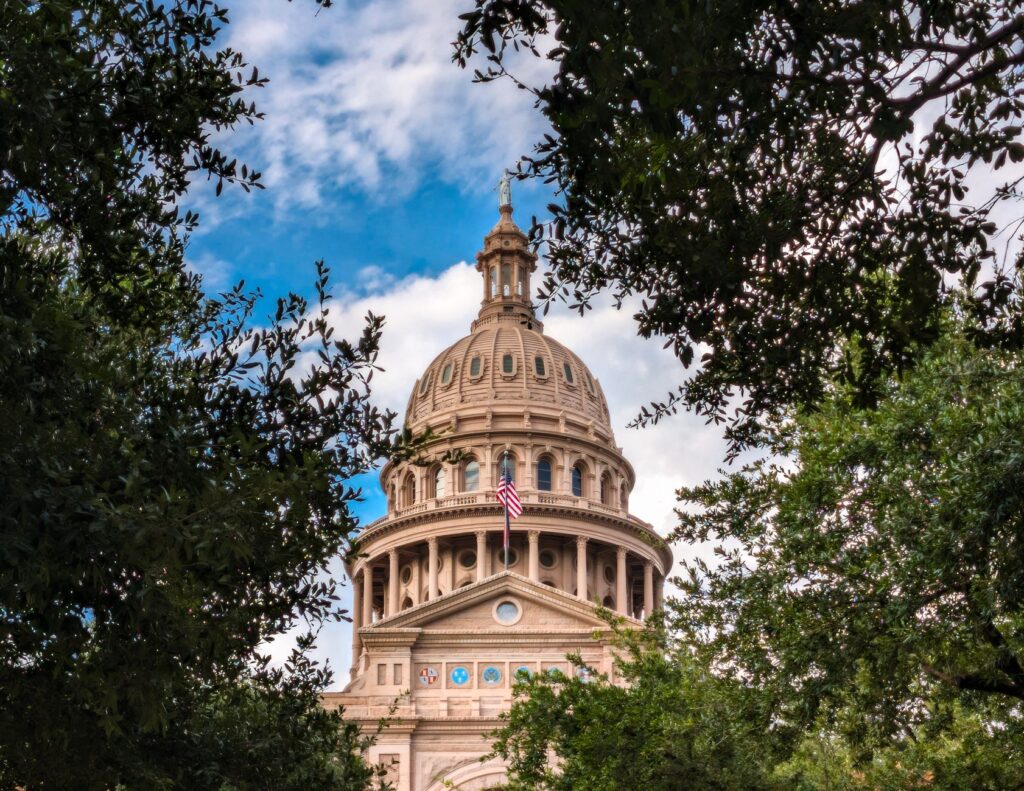
Photo by Jaime Hernandez Erives on Pexels
Sources
Related stories
Current Account Deficit: Clear Insights on India’s $5.2B Drop · Medical Equipment Manufacturing: Proven Benefits for Haldia · Wells Fargo Nasdaq Hold: Smart Insights on Market Trends



More Stories
Trump White House ban: Wrong Move for Media Freedom
Senate GOP spending pause: What’s the real impact?
Republicans Midterm Losses: What’s the Real Impact?