
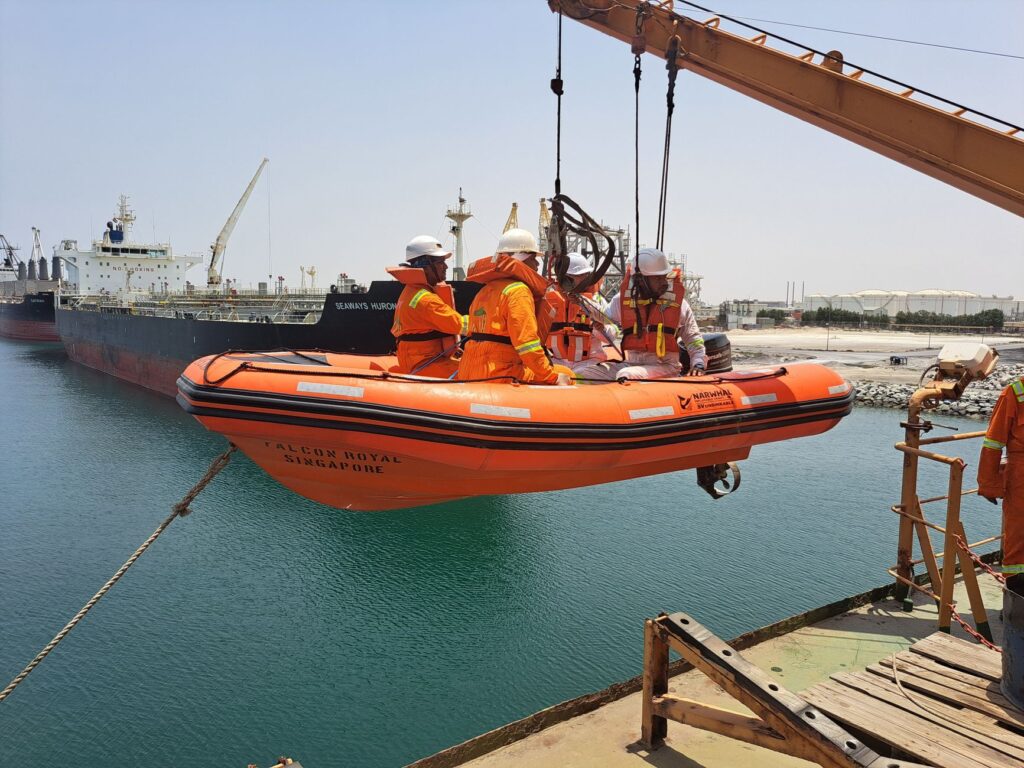
Tanker crew rescue has been successfully completed, as confirmed by the Indian consulate. This operation highlights the dedication to ensuring the safety of crew members in perilous situations.
Overview of the Rescue Mission
The recent rescue mission involving the crew of a stranded tanker has raised important questions regarding the safety and efficiency of such operations. The Indian consulate confirmed that 22 members of the tanker crew were successfully rescued, highlighting the collaborative efforts of local authorities and maritime agencies.
During the operation, several factors were considered:
- Weather Conditions: The mission took place amidst challenging weather, necessitating precise planning and execution to ensure the safety of both the crew and rescuers.
- Resource Allocation: Various vessels and aircraft were deployed, showcasing the logistical coordination involved in large-scale rescue operations.
- Communication: Continuous communication between the distressed crew and rescue teams was crucial for assessing the situation and coordinating a safe extraction.
- Training and Preparedness: The successful outcome underscores the importance of training for maritime emergencies, as well-prepared crews can significantly enhance survival rates during crises.
This tanker crew rescue operation serves as a reminder of the inherent risks faced by sailors and the necessity for effective rescue strategies in ensuring their safety at sea.
Details of the Crew’s Condition
Following the successful tanker crew rescue, the health and condition of the sailors have become a primary concern. Initial reports indicate that all 22 crew members are safe and receiving necessary medical attention.
According to sources, the crew was found dehydrated and suffering from mild exhaustion after being stranded at sea for several days. Medical assessments are being conducted to ensure there are no underlying health issues. The Indian consulate has been in constant touch with the rescued sailors, providing support and monitoring their recovery.
The rescue operation not only highlighted the challenges faced by maritime workers but also raised questions about their safety at sea. Many industry experts emphasize the need for improved safety measures and better training for crew members to handle emergencies more effectively.
- Physical Condition: The crew members exhibited signs of dehydration and fatigue.
- Medical Attention: Immediate care is being provided to all rescued sailors.
- Future Safety: Experts call for enhanced training and safety protocols for maritime operations.
The successful tanker crew rescue serves as a reminder of the risks sailors face and the critical importance of their wellbeing at sea.
Response from the Indian Consulate
The Indian consulate has officially confirmed the successful rescue of 22 crew members from the stranded tanker, addressing concerns regarding the safety of such operations. In a statement released earlier today, the consulate expressed relief at the positive outcome of the tanker crew rescue and emphasized the importance of international cooperation in maritime safety.
Officials highlighted the challenges faced during the rescue mission, noting the adverse weather conditions and the precarious state of the vessel. They stated, “The safety of our sailors is paramount, and we are grateful for the collaborative efforts of all agencies involved.” The consulate ensured that the rescued crew members are receiving the necessary medical attention and psychological support.
In addition to providing immediate assistance, the consulate is working closely with maritime authorities to investigate the circumstances that led to the tanker’s distress. They are committed to enhancing safety protocols for future voyages to prevent similar incidents.
As discussions continue regarding maritime safety, the consulate urges ship owners and operators to prioritize the well-being of their crews and consider the implications of rescue missions in challenging situations.
International Maritime Safety Standards
In light of recent events surrounding the tanker crew rescue, the importance of international maritime safety standards has come to the forefront. These guidelines are designed to protect sailors and ensure their wellbeing during emergencies at sea. The International Maritime Organization (IMO) sets forth regulations that focus on safety protocols, training, and operational procedures for vessels.
Among the critical elements of these standards are:
- Safety Management Systems: These systems are essential for identifying potential hazards and implementing measures to mitigate risks.
- Emergency Drills: Regular drills ensure that crew members are well-prepared to respond effectively in crisis situations.
- Rescue Operations: Guidelines outline procedures for coordinating rescue missions, emphasizing communication between vessels and rescue teams.
- Equipment Regulations: Ensuring that lifesaving equipment, such as lifeboats and life vests, meets stringent safety criteria is vital for crew protection.
Despite these standards, the recent tanker crew rescue raises questions about their enforcement and effectiveness in real-life scenarios. As maritime safety continues to evolve, the industry must prioritize the well-being of sailors to prevent future emergencies.
Challenges Faced During the Rescue
The recent tanker crew rescue operation has highlighted several challenges that rescuers and affected sailors must navigate during such emergencies. First and foremost, the geographical location plays a crucial role in the success of the mission. Many tanker incidents occur in remote areas where access to help can be limited, complicating the logistics of a timely rescue.
Additionally, the condition of the crew members often presents significant hurdles. Survivors may be suffering from dehydration, injuries, or psychological distress, all of which require immediate medical attention. Ensuring that rescue teams are adequately prepared to address these health issues is vital for the safety of the crew.
Communication barriers can also impede rescue efforts. In many cases, crews may not have the means to effectively communicate their situation to rescuers, leading to delays and misunderstandings. Furthermore, environmental factors, such as rough seas or adverse weather conditions, can exacerbate the challenges faced during the rescue.
Ultimately, while tanker crew rescues are designed to save lives, the inherent difficulties underscore the need for improved training, resources, and international cooperation to enhance the safety of sailors at sea.
Community Support for the Crew
In the wake of the successful tanker crew rescue, community support has poured in from various quarters, highlighting the importance of solidarity during maritime emergencies. Local organizations have rallied to provide assistance and resources for the families of the rescued crew members, ensuring they are supported during this challenging time.
Many residents have expressed their relief and gratitude for the safe return of the crew, emphasizing the need for ongoing support and awareness regarding the dangers faced by sailors. Community leaders have organized gatherings to honor the bravery of the crew and to advocate for improved safety measures in the maritime industry.
Additionally, social media platforms have been flooded with messages of encouragement and appreciation for the rescuers involved in the operation. These platforms have become vital channels for sharing updates and rallying further support.
As discussions surrounding maritime safety continue, many are questioning whether the tactics employed during the tanker crew rescue are indeed the safest options for sailors in peril. The broader conversation around crew safety and rescue operations is expected to gain momentum in the coming weeks, as stakeholders evaluate lessons learned from this incident.
Future Implications for Maritime Operations
The recent tanker crew rescue has sparked a discussion on the future implications for maritime operations. As incidents at sea continue to rise, the safety of sailors remains a top concern for both shipping companies and regulatory bodies.
Experts suggest that enhancing safety protocols could significantly reduce risks during maritime operations. Some of the potential changes include:
- Improved Training: Regular training programs for crew members on emergency procedures can prepare them for unexpected situations.
- Advanced Technology: Investing in state-of-the-art navigation and communication systems can enhance situational awareness and quick response times.
- Stricter Regulations: Implementing stricter safety regulations may compel shipping companies to adopt better safety measures, reducing the likelihood of emergencies.
- Enhanced Coordination: Strengthening collaboration between international maritime organizations can lead to more effective rescue operations when incidents occur.
While the tanker crew rescue was a success, it highlights a pressing need for ongoing discussions about the safety of sailors at sea. Continuous improvement in operational standards is essential to ensure the well-being of those who work in this challenging environment.
Conclusion and Next Steps
In conclusion, the recent tanker crew rescue operation has brought to light the complexities and challenges involved in maritime safety. While the successful rescue of the 22 crew members is a cause for celebration, it also raises important questions about the safety measures in place for sailors at sea. The need for improved international maritime safety standards is more pressing than ever.
As the maritime community reflects on this incident, several next steps are crucial:
- Review Safety Protocols: An evaluation of existing safety practices aboard tankers should be conducted to identify potential gaps.
- Enhance Training: Crew training programs must be updated to include emergency response scenarios that prepare sailors for various contingencies.
- Strengthen Regulations: International maritime authorities should consider implementing stricter regulations to safeguard crew members in distress.
- Promote Community Awareness: Awareness campaigns can help local communities understand the risks and support maritime safety initiatives.
Ultimately, the tanker crew rescue serves as a reminder of the inherent dangers of maritime work and the ongoing need to prioritize the safety of sailors worldwide.
Photo by Atmadeep Das on Pexels
Where this came from
Related reading
Forgotten ice cream flavors: 5 tasty treats fans want back · UBS Stellantis Hold: Clear Insights on Investment Strategy · Amitabh Bachchan Rekha: What Is Their Proven Connection?



More Stories
Metro Rail Phase 2: Is This Development Worth It?
India export targets: Is $1 Trillion Worth the Effort?
H-1B visa remarks: Wrong claims addressed with clear facts